Tag Archives: architecture

‘India: Modern Architectures in History’

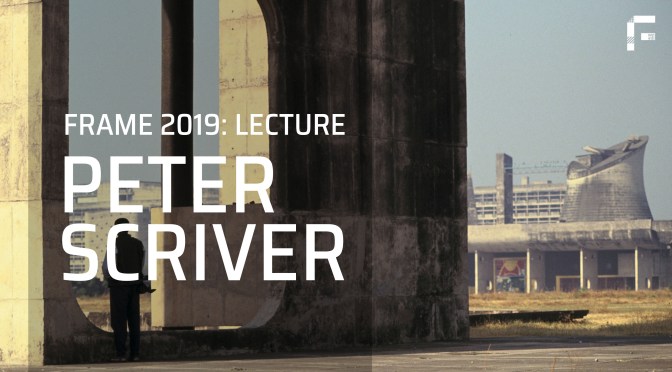
Peter Scriver

A Recorded Lecture from FRAME Conclave 2019: Modern Heritage


In this lecture, Prof Peter Scriver articulates a historical perspective on the changes and challenges of Modern Architecture in India since Independence. The talk also dwells on the Nation-building efforts, the nation-builders and the significance of this body of work in contemporary India.


Edited Transcript

Welcome, everybody. Just before I proceed, I just want to show due credit to my colleague, Prem Chandavarkar for a profoundly significant opening thought-piece for us to all think about in the days ahead.

I think FRAME Conclave’s expectation of what I might do was to also help set up some ideas, but they will be far more humble, and they are more prosaically engaged with the stuff of the architecture around us and the careers of many of the people in the room, and some of the backgrounds that I have had the opportunity to observe over a number of years. This talk will open up some of that perspective for you and hopefully also be of some use.

But I guess I just wanted to note particularly how a term that Prem, someone among many in the room that I have known for some years, this architecture, the background, your final point, which you published about and talked about in the past. I think I have a much deeper understanding now of what you really mean by that. So thank you for putting those thoughts together. Continue reading ‘India: Modern Architectures in History’ →
Portraiture: ‘Movie Theaters’ and ‘Churches’

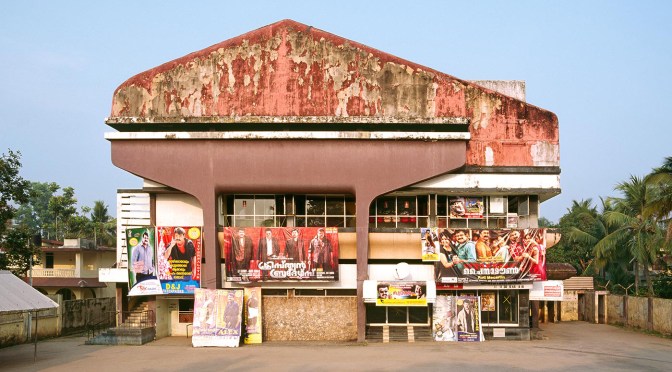
By reading into the cultural environment of the sixties and seventies, and the rise of a range of affinities in architecture that emerged in the wake of Independence in India, two pictorial essays by Stefanie Zoche and Sabine Haubitz document a part of a larger cultural zeitgeist. The essays focusing on the essentialised photographs of facades of single screen movie theatres and churches in South India propose a common ground – an enquiry into what they refer to as ‘Hybrid Modernism’. 


In India, architecture evolves in a palimpsestic disposition, especially in the rurban areas. Historical, provincial, aspirational layers exist in this pluralistic built landscape. The development of modern architecture in India succeeding the influences of international style made a gradual headway from 1920s and -30s and pronouncedly was acknowledged with Le Corbusier’s vision for Chandigarh. While post-independence architecture in India is largely attributed to modern architecture, it belongs to perhaps only a fraction of the built landscape. Architecture in the remaining paradigm is countered by a gentler transition, more self-conscious and self-referential, consolidated socially and culturally. Familiar and immediate frames of references are appropriated and contextualised at a local level. Moreover, it is not homogeneous across the country but exists in complex crossovers.

Continue reading Portraiture: ‘Movie Theaters’ and ‘Churches’ →

SITE VISIT: House in Assagao by Field Atelier

Inserted into the topography with forethought, House in Assagao designed by the Goa-based Field Atelier, is a home open to programme while evolving an identity borrowing from the historical context.

Positioned in between the lush valleys of the Western Ghats coursed with streams and scattered coconut palms is a village rich in Goan cultural heritage; Assagao. In the last decade, a number of new and relatively grand country homes have been built in the village. Continue reading SITE VISIT: House in Assagao by Field Atelier →

Exploring Emergent Architecture by Studio Advaita

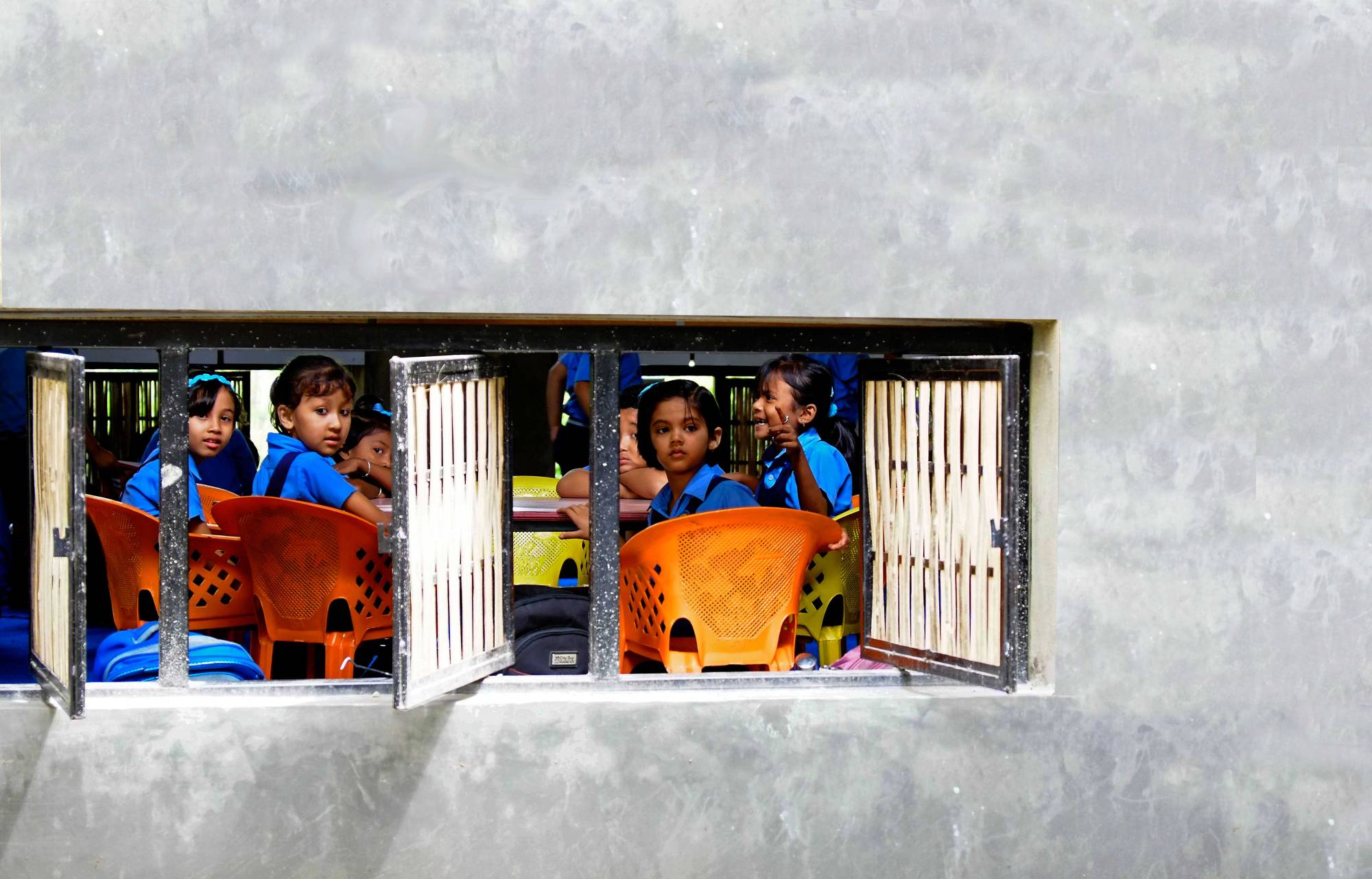
The architecture of Studio Advaita taps into the essential purpose of building with structure, skin, and details that are contextual and inspired from the immediate: a practice where the eye draws from observations of cultural and historical contexts. 

Shivsagar School, Assam

Reflecting on the past, there still exists a recollection of a time where good architecture was once identified with spaces of worship such as Temple Architecture, or with structures of power such as kingdoms, forts, and assemblies- among many other forms of public architecture. Today, the scope has broadened and architecture is mostly a setting for everyday, ordinary activities. Despite this familiarity of architecture in our everyday lives, very often we find ourselves asking, “What is good architecture?” Continue reading Exploring Emergent Architecture by Studio Advaita →

MODERN HERITAGE: In Retrospection: Shivdatt Sharma

CURATED BY SANGEET SHARMA

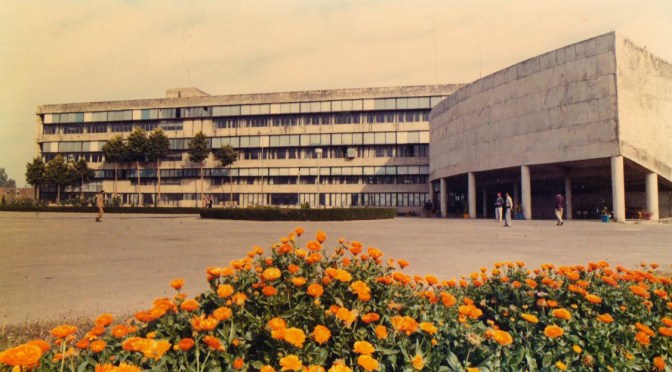
The Capital Project of Chandigarh is among the most widely discussed and debated projects in the history of Modern Architecture in India. Under the trusteeship of Prime Minister Nehru, several young Indian architects joined hands to contribute to the mammoth task of nation-building, working across diverse sectors such as buildings for Space Research & Technology, Administrative Infrastructure, Cultural & Educational Institutions and Housing. At the forefront alongside his better-known contemporaries, was Architect Shivdatt Sharma [SD Sharma], a silent but powerful contributor to the ‘modernist’ landscape of a young India. In this piece, curated and assimilated by his son and architect Sangeet Sharma, SD Sharma writes about his time working alongside Le Corbusier and as an apprentice under Pierre Jeanneret. 

In an intimate note that follows, Sangeet Sharma shares instances of growing up in the newly built city of Chandigarh and working under Shivdatt Sharma as an apprentice for almost two decades. He reflects on the many relationships that he has nurtured with his father, over the years – one of a friend, philosopher and guide.


LEARNING FROM LEGENDS
Authored by Shivdatt Sharma

Le Corbusier and his associates, all being the members of CIAM, processed the pure architecture that was to be followed in the making of Chandigarh. They believed that geometry was a timeless factor in the whole universe, and was, therefore, to be followed to create purity. Continue reading MODERN HERITAGE: In Retrospection: Shivdatt Sharma →