
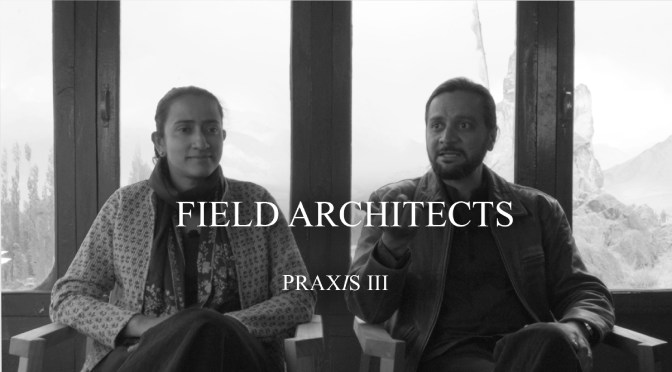
An editorial project by Matter in partnership with Şişecam Flat Glass, PRAXIS investigates the work and positions of diverse contemporary architecture practices in India. Field Architects, led by Faiza Khan and Suril Patel, is an adaptive and itinerant practice. Based out of Ladakh and Ahmedabad currently, the practice is simultaneously nomadic and rooted, allowing architecture to emerge through sustained engagement with place, climate, and lived experience. Formed through early exposure to rigorous studio cultures and materially-positioned site practices, their trajectory gradually deepened into a critical engagement with Ladakh’s ecology, cultural, and temporal dimensions. Within this fragile and potent landscape, characterised by environmental extremities and cultural continuity, the studio has developed a process-oriented, handcrafted language that is both technically rigorous and contextually aware. At the core of this approach lies a triangulated, interconnected landscape of three practices: Field Lab, a workshop, and the architectural studio. Collectively, through teaching, research, and construction undertaken in collaboration with local institutions, communities, and students, the studio has assembled a framework rooted in sensitivity and feasibility, closely aligned to its immediate conditions. Architecture here becomes a cumulative act – iterative, collaborative, and embedded within cycles of learning and production.

EXCERPTS FROM THE INTERVIEW:
SP: Suril Patel
FK: Faiza Khan
FOUNDATIONS
<00:00:30>
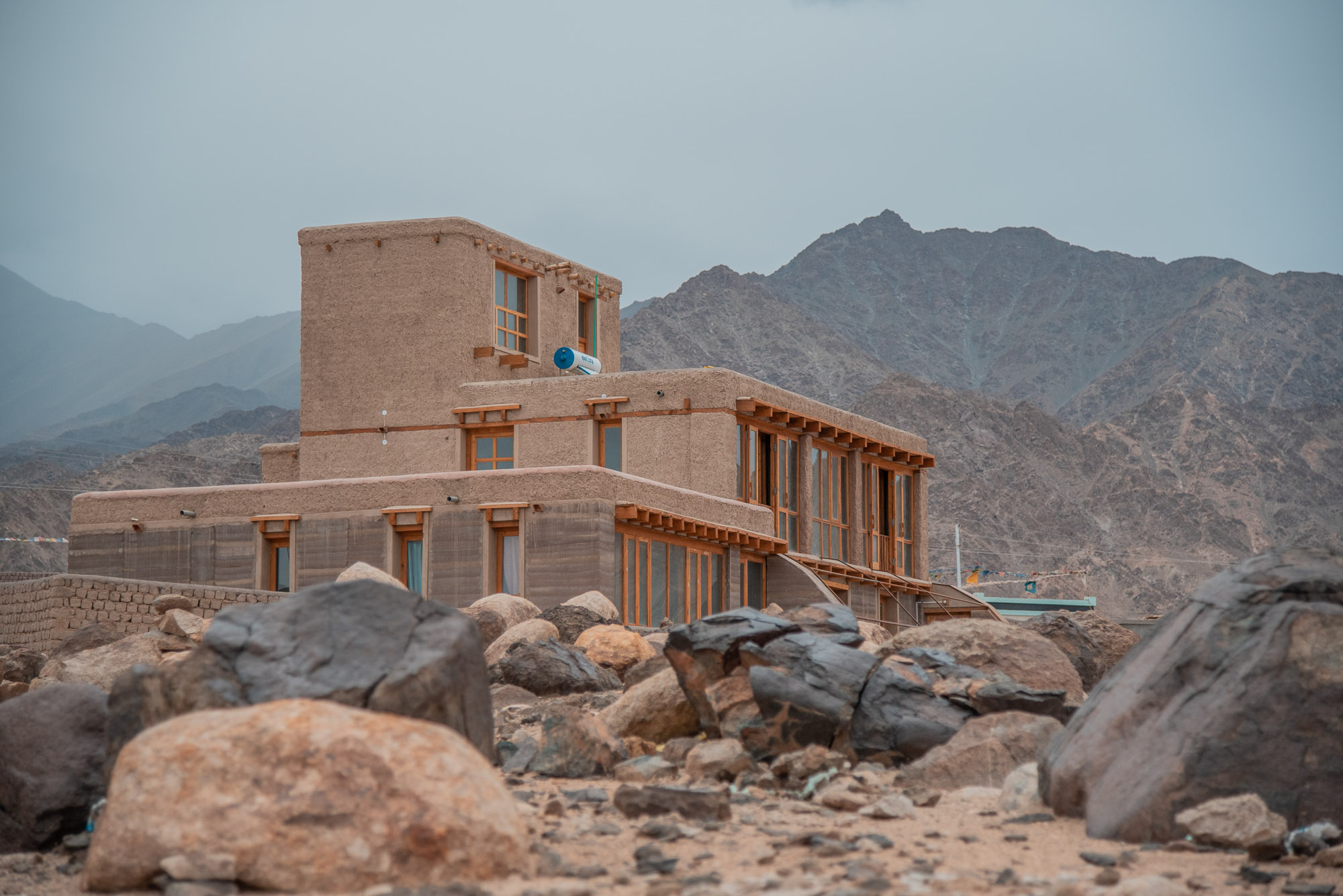
SP: If we talk about the profession of architecture itself, as with any other profession, one picks up has a certain sense of orientation in childhood, in education, in the family. We also had some of these incidents and influences in the family, especially from elders. In fact, my elder brother almost went into architecture, but in the end he chose another profession, and that gave me my first exposure in my 9th or 10th standard to this profession known as architecture. Eventually based on the kind of drawings that I would do during my school years, some of my respected relatives also suggested that I should pursue this profession because it involves a lot of drawing. Of course, it came from a very simple understanding that architecture is equal to drawing. Right now it is much more than that; the software, the media, travelling and so on.
At that level our understanding and at least our family’s, was very basic. “Your drawing is good; this profession may suit you”. This happened to many of our age at that time.
On the other hand, the formative years during college are important because the way interaction happens with faculties, professors and seniors. They all come from different backgrounds and have different interests. During this time the kind of exposure one gets, the inclination one receives and the rigour with which one is trained for – that foundation teaches one how to take the profession with seriousness. Even if one does not have complete clarity of what one wants to become, and even if one has certain favourite architects back in college, it does not matter. The learning one gets and the overall rigour somehow transcribes into the kind of architect one becomes, the thoughts one has, the practice one does and consequently, the design.
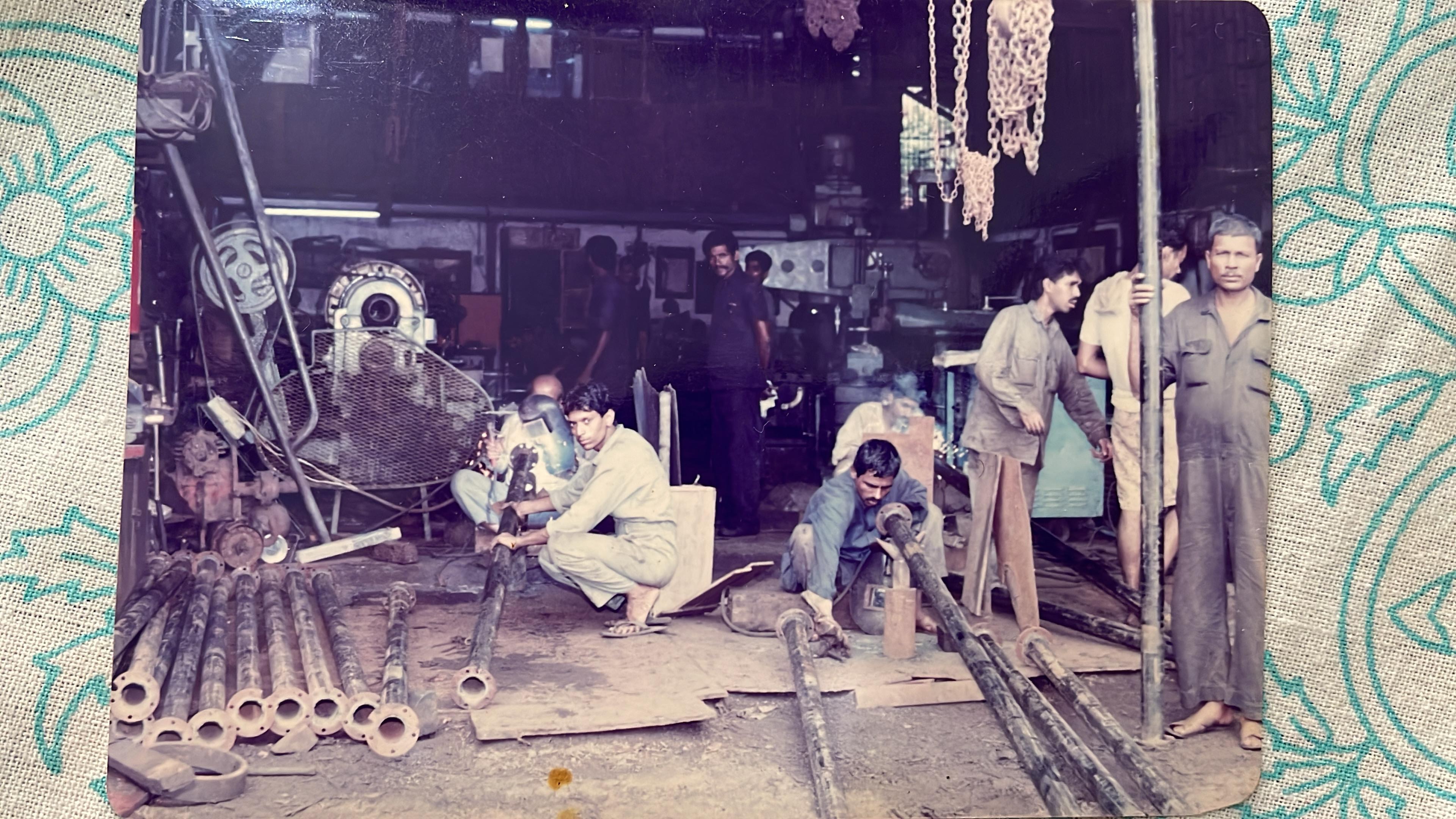
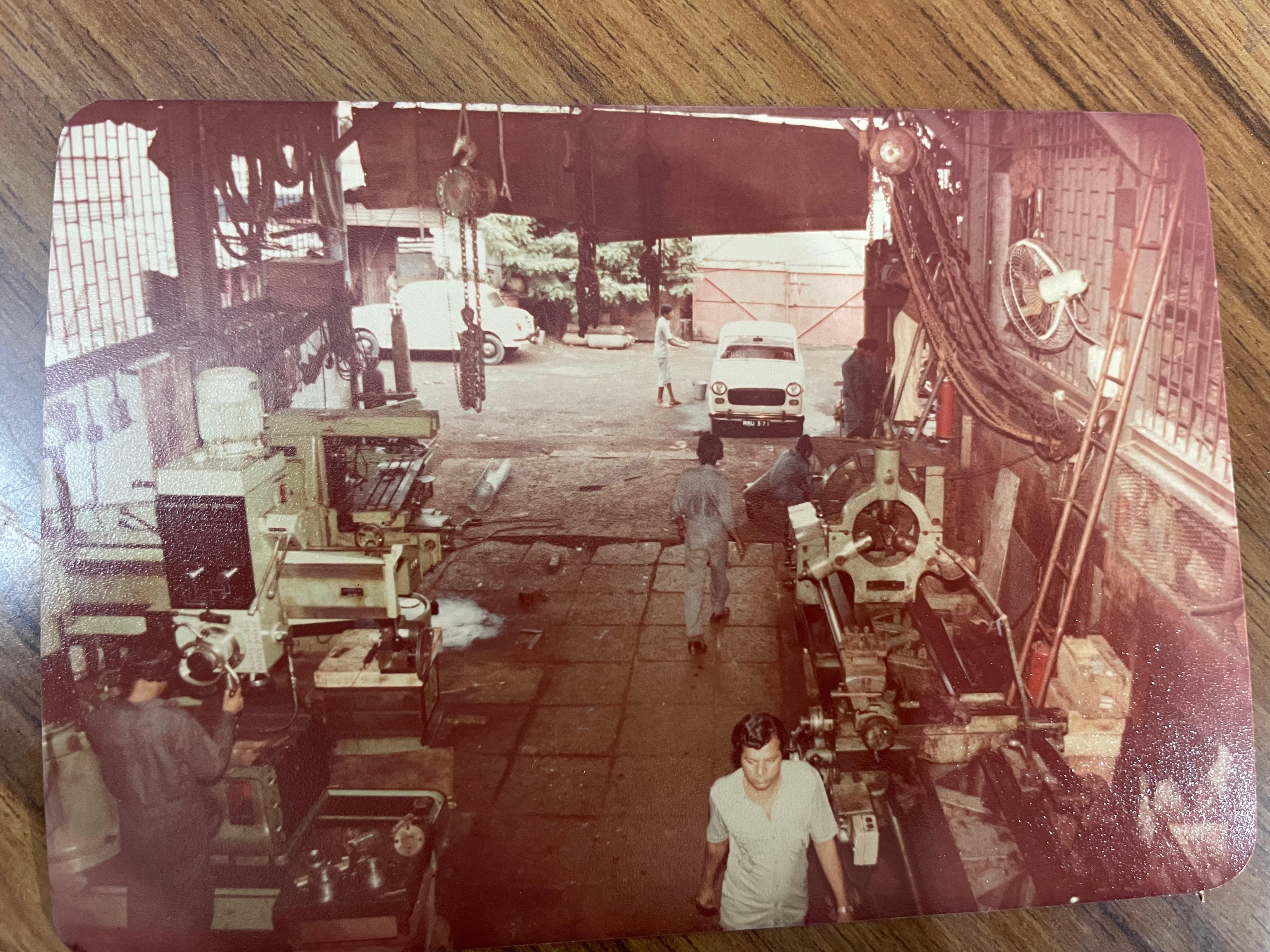
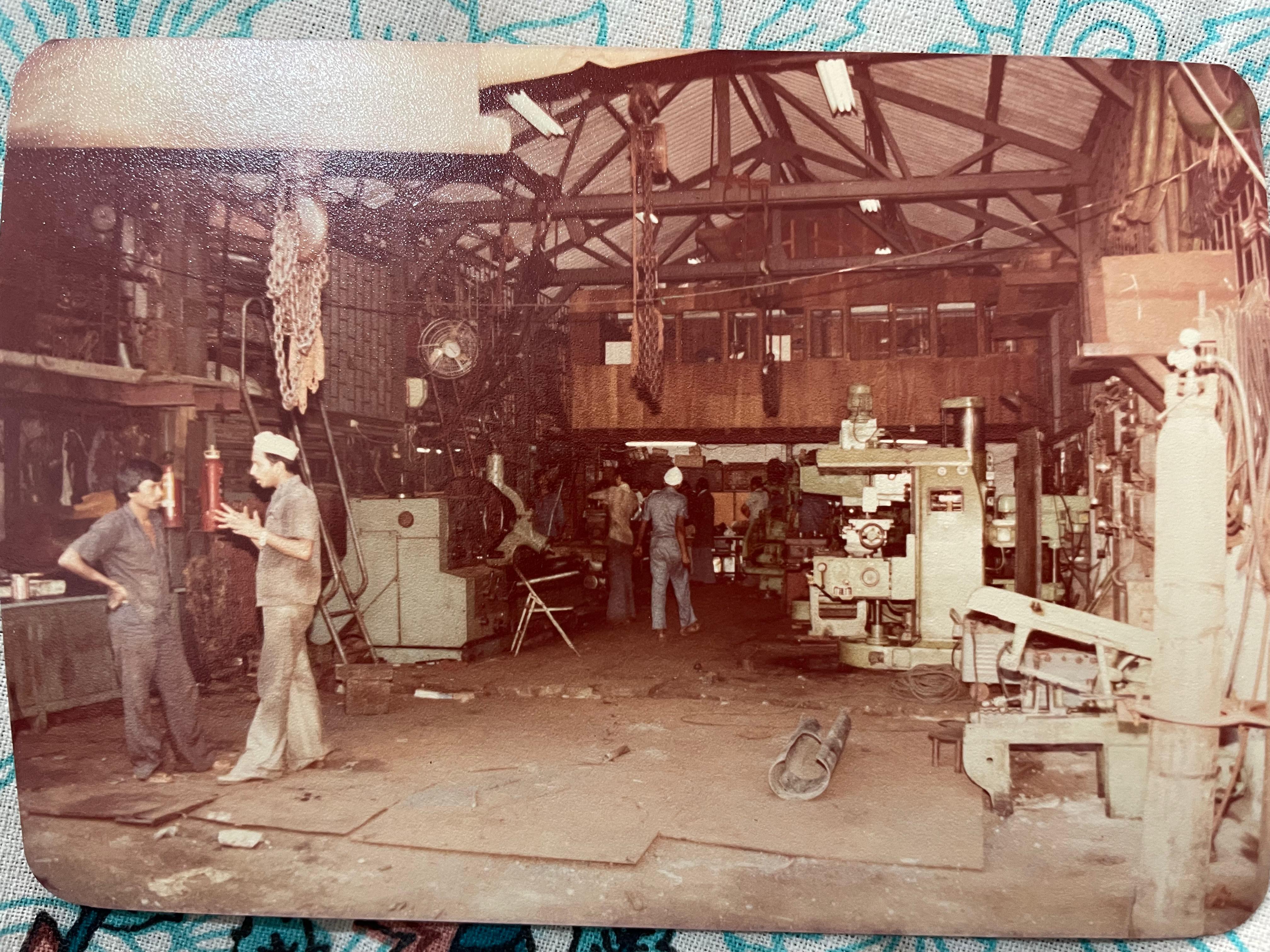
FK: I always had a free hand with my parents – whatever you want to do you can do. For me, architecture had a calling, I would say. My father had a ship-building and ship-repairing workshop in Dockyard Road, next to Star Cinema (Mumbai). It was this huge workshop where you would see men with tools doing welding work and shouldering work. When I was about 11 months old we shifted to Navi Mumbai, but he would take me there often, maybe once a month.
Now when I look back, I feel it had certain imprints in my memory – the space, the metal workshop, the mezzanine floor. Because it was a ship repairing workshop it had wooden cladding, the shape of a cabin and even the smell. I think those things stayed somewhere.
FK: We met at Serie Architects. Suril was already a senior and he would rag me because he is a perfectionist. However, I had my own thing. He was there three to four years before me, then I was there for two years and then I went for my Masters’.
Going to Barcelona, Spain, meeting new people, culture, seeing Antoni Gaudí’s work, was a great experience. I think travelling and going out of your comfort zone is what really builds you. It opens your mind.
SP: I studied in APIED, Vidyanagar The culture there was very different from a city college because the entire education township has many hostels and students from multidisciplinary backgrounds coming together. They have annual festivals and rivalries sometimes at the sport level and so on. Within the architecture college, the hostel culture itself was very strong. That led to gaining life skills, such as for interaction and collaboration. That also changes the way one perceives one’s own field of study.
Once I started working in Serie Architects that was one of the things I was looking forward to for almost a couple of years before graduating. We had met Kapil Gupta a few years earlier during our fourth and fifth year with Percy Pithawala (The Red Studio). We had visited the studio and a couple of my seniors were working there. I was really inclined towards joining that office.
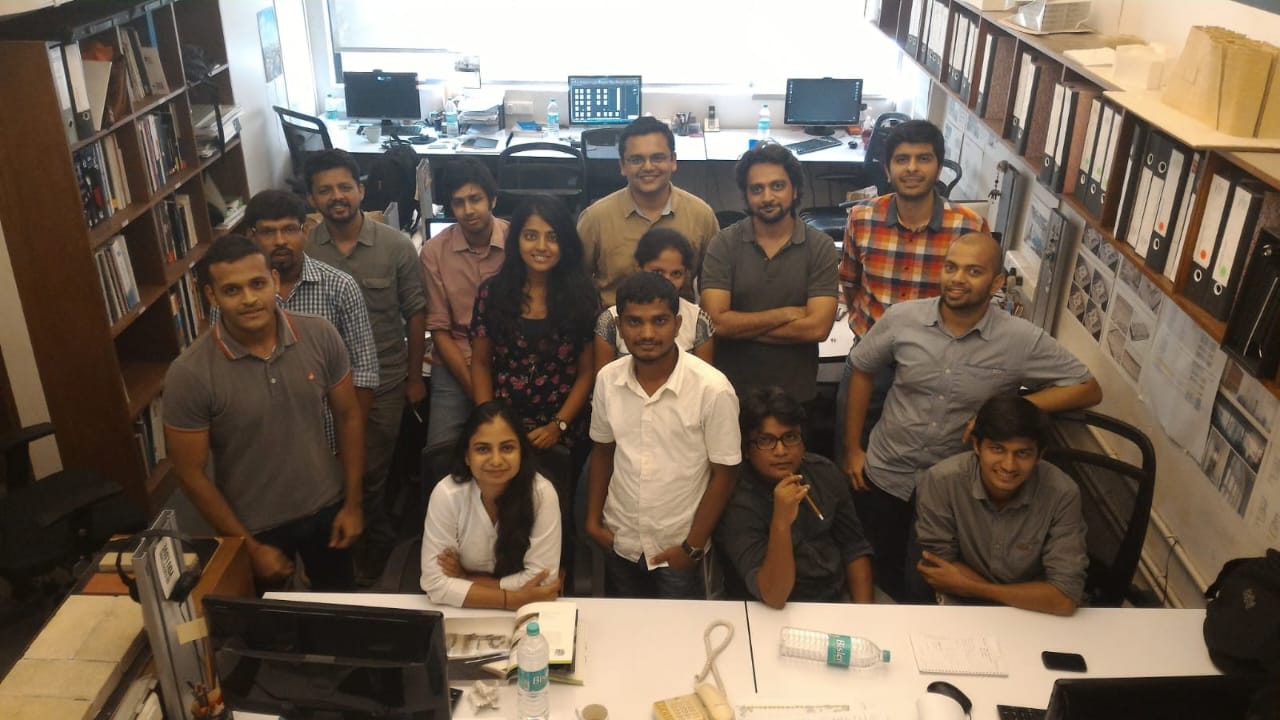
After my graduation I joined there. It just struck me that this is the place I wanted to work and this is the city that I wanted to be in. I stayed there for almost 9-10 years in total. I worked in all the three offices, Mumbai, Beijing and London. The exposure I received from that practice was very important in the sense that we saw the rigour in architectural design, the documentation and even the level of finesse one requires and expects in the final building.
After getting married, we moved on from the idea of being in the city and wanted to explore our own library of experiences and take it further, to see what we could grasp or study outside the cities and outside the practices we had already worked with. That is when we first got this information about the possibility to work at Studio Mumbai on Bijoy Jain’s ongoing project in Dehradun.
We took up that chance. It was probably a one month workshop that we had enrolled for, but we ended up staying there for almost a year. We became part of the studio, and part of the construction process; we got to learn a lot of things. Faiza also had a very good chance exploring the idea of finishes with experts like Ruedi Krebs.
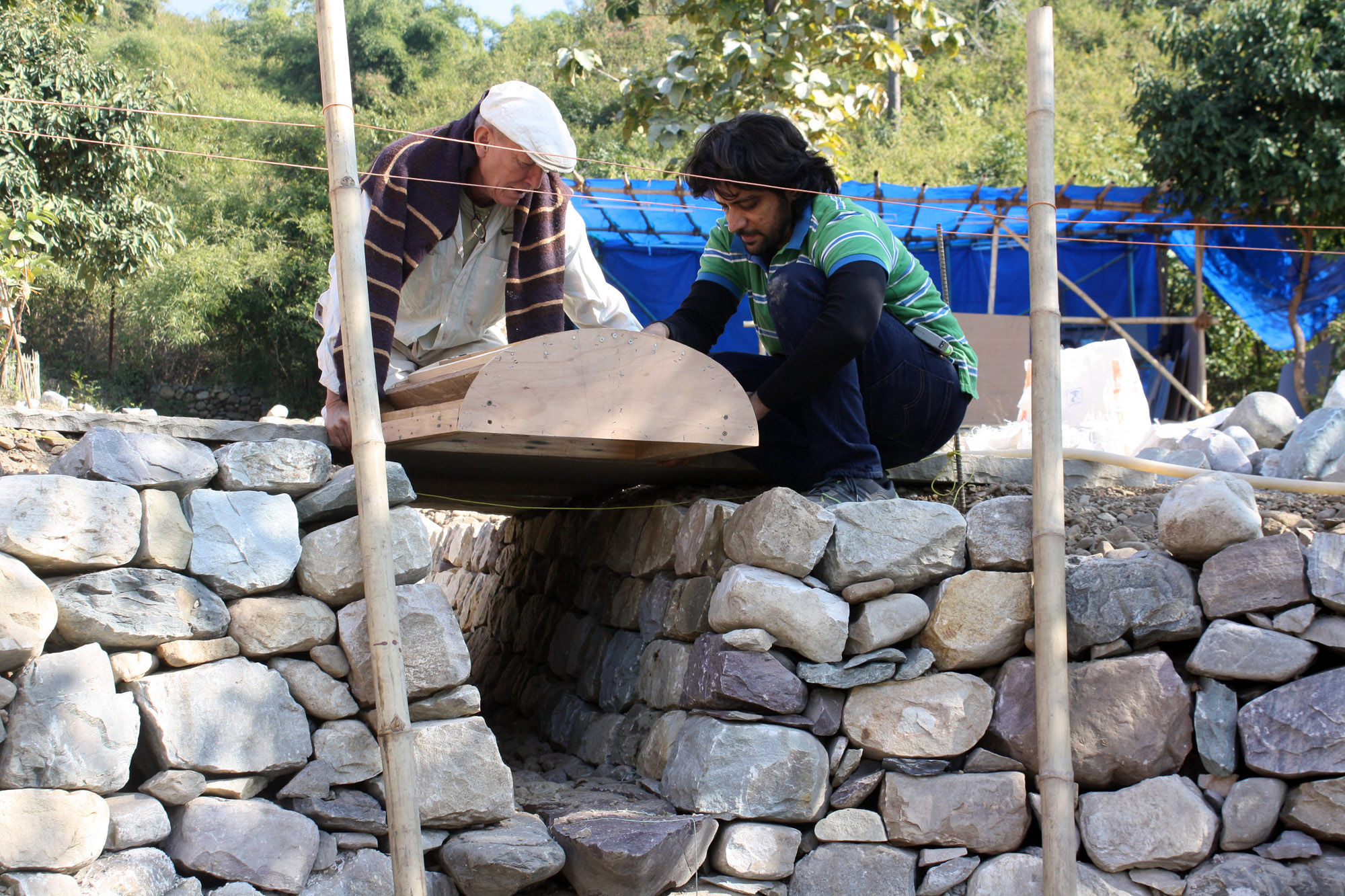
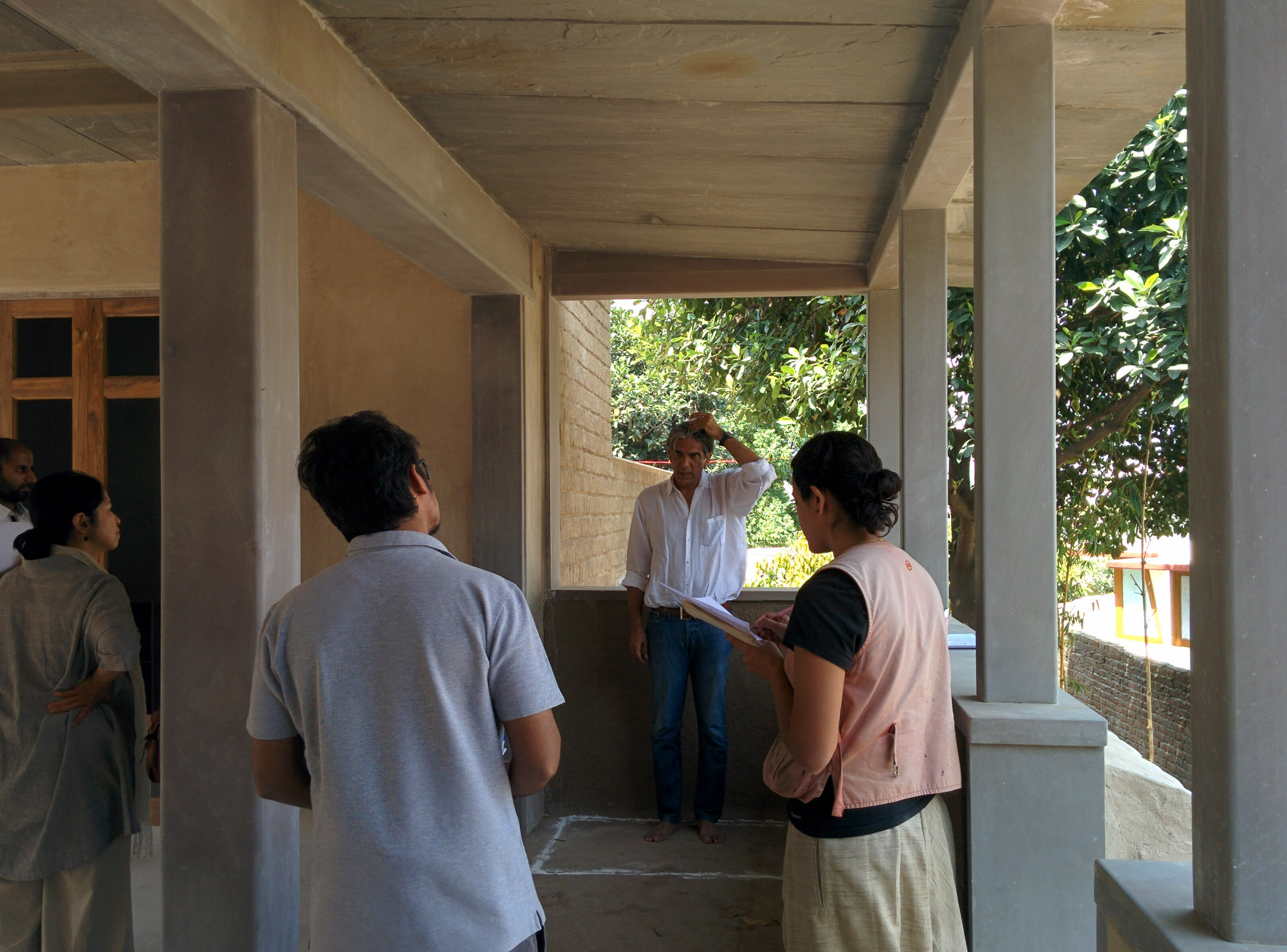
FK: Working with Bijoy Jain (Studio Mumbai) on site is a completely different experience compared to working in a studio. You are with artisans and working out finishes in a very simple minimalistic way but it is so well handcrafted. You get to see the spaces evolving from the architect’s mind to being built on site. We were there in the last phase of finishing so it was a really good experience.
Coming from Serie’s strong design intensive background and office rigour, and then seeing Bijoy’s site rigour and how things happen with artisans, it was really great. It really defined our personalities.
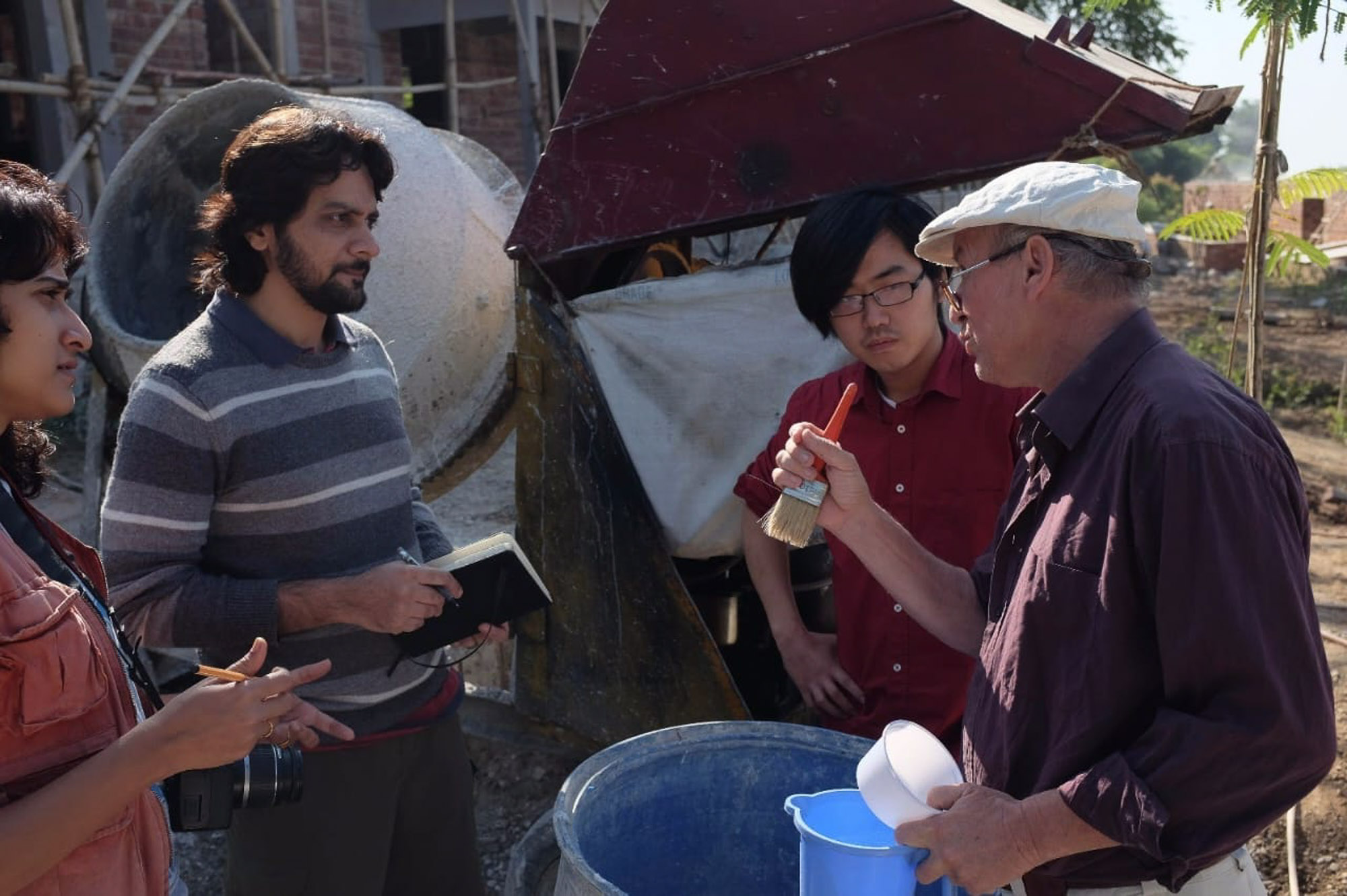
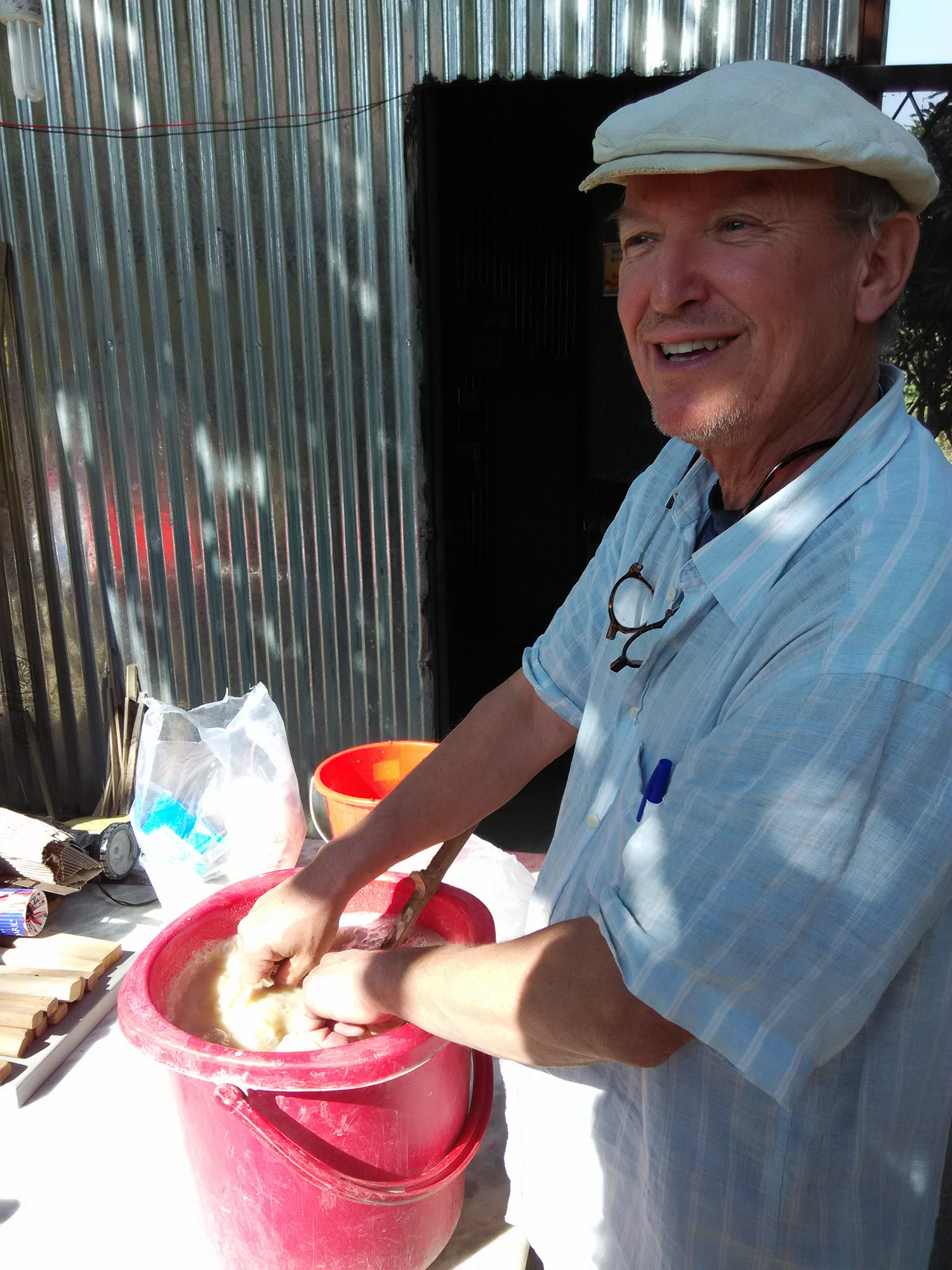
FK: Coming to Ladakh was not something that we had decided in advance. We thought we have these experiences, we should travel and see India. India is beautiful and there is so much diversity in culture, food and people.
In five years of architecture you are not really exposed to so much diversity. Eventually we wanted to have our own practice but it was not like we just wanted to start immediately. We thought we should give ourselves time. We were very open. It was not a rule that we must start a practice. So we were deciding whether we should go to the Northeast or to Ladakh.
Suril had been to Ladakh earlier. Before when I had to go once, there was a landslide once and I got stuck in Manali. Since I had not been, so we decided to go. We came to Ladakh and met a couple of people in the first few days. They told us that SECMOL does a lot of construction work. At that time we did not k know much about SECMOL or who Sonam Wangchuk was. We just entered SECMOL on a rainy grey day. The architect there had just quit. A friend – Sunil – commented that one architect is leaving, and two have just come in. The next day we met Sonam and he offered us a proposal. They needed architects to work on the design and drawings of their buildings and also to help start a Passive Solar Heating course for students. We had to stay for about two years.
We just had our bags with us. We looked at each other, and said ‘Okay; let us spend two years here.’ The space looked exciting and inviting. There were so many children around. It was a very happy place.
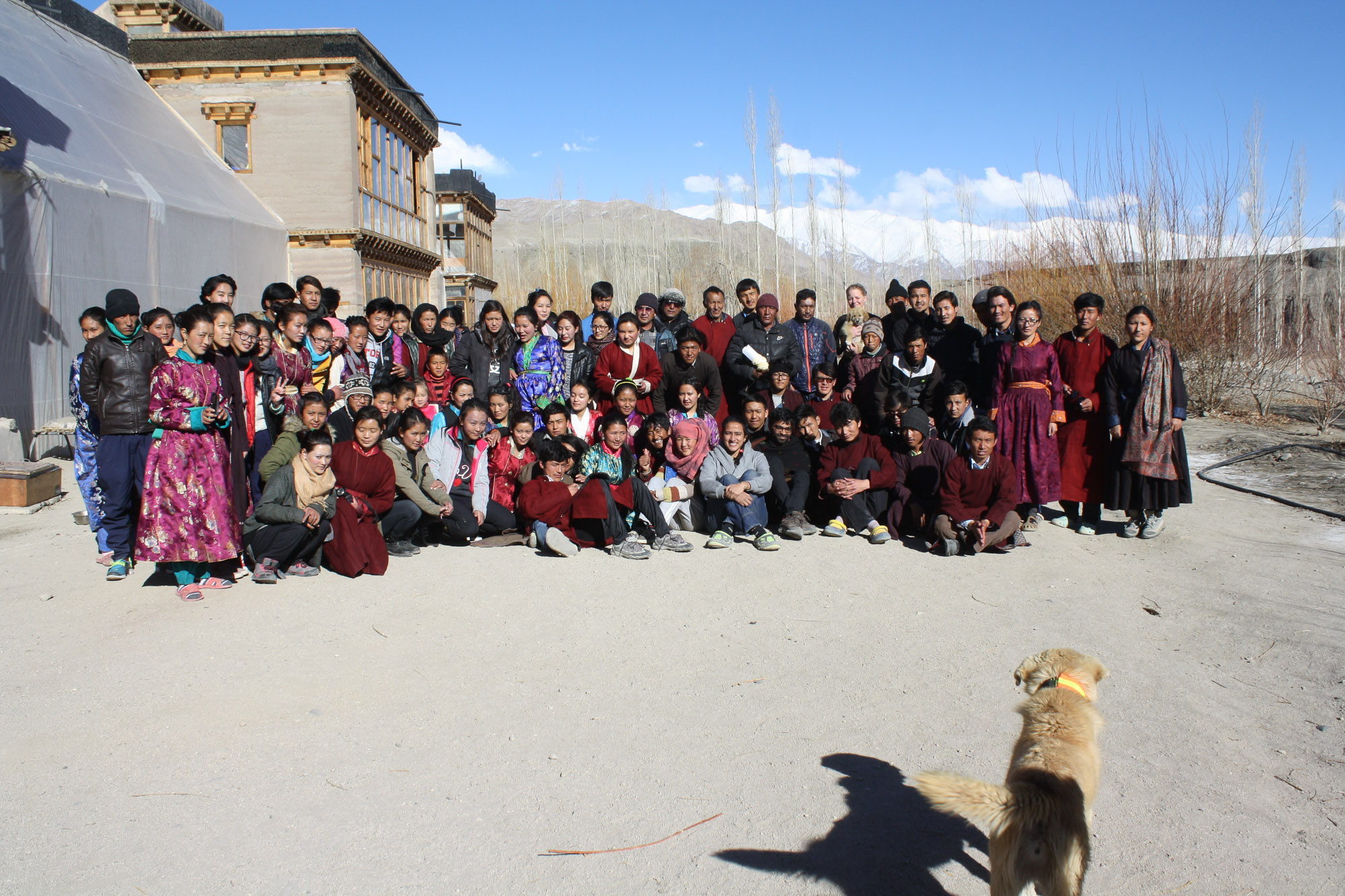
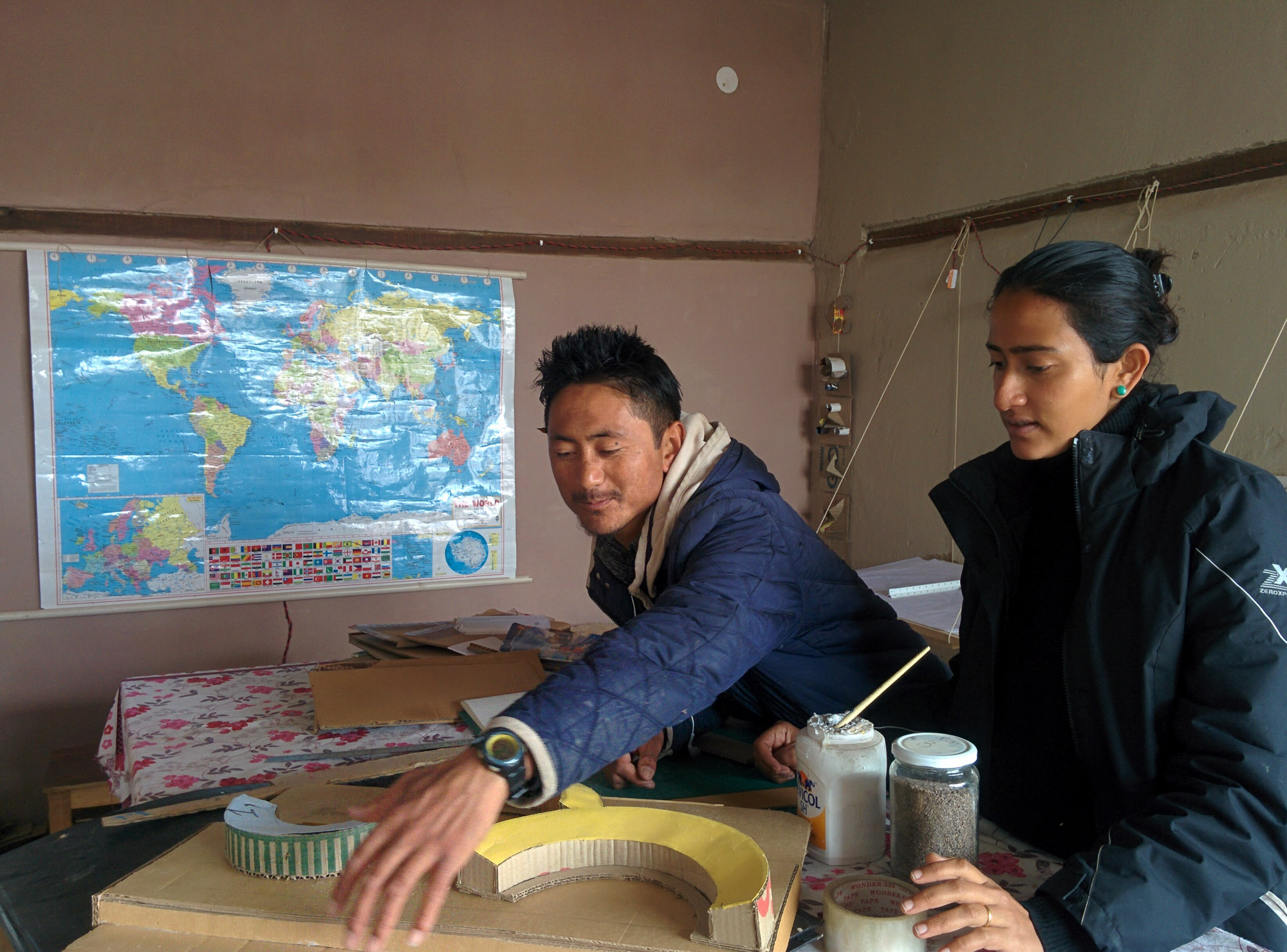
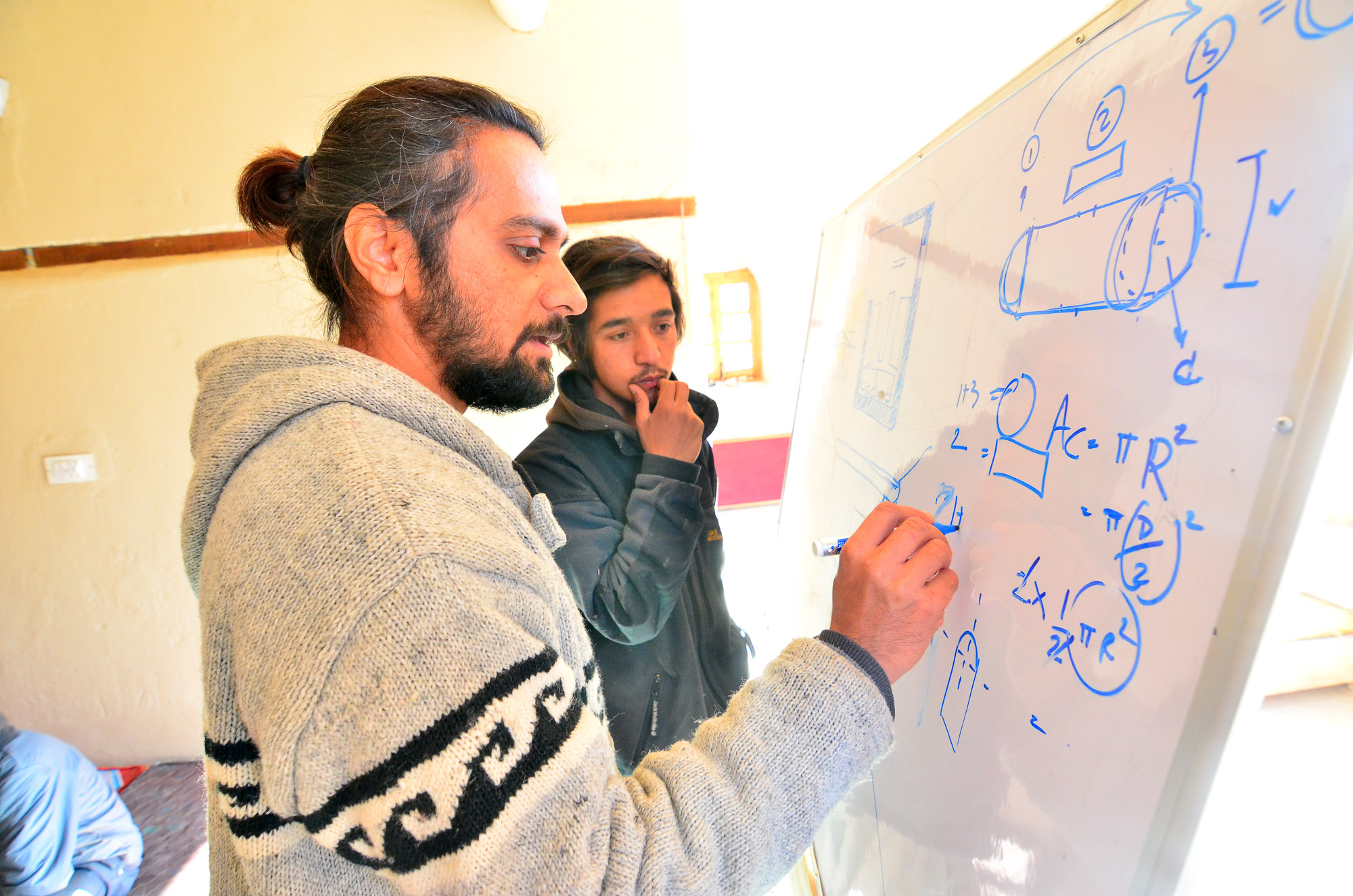
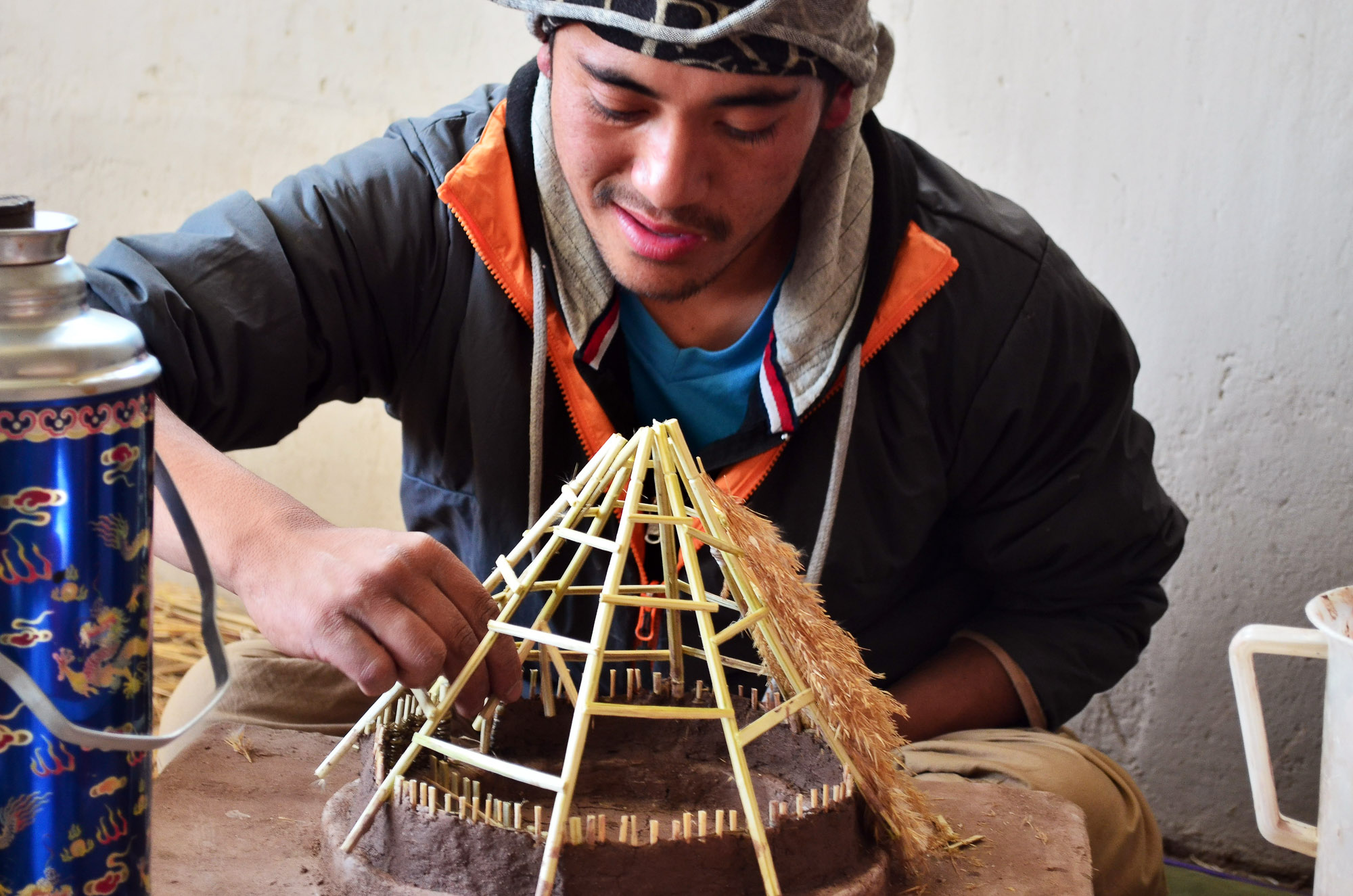
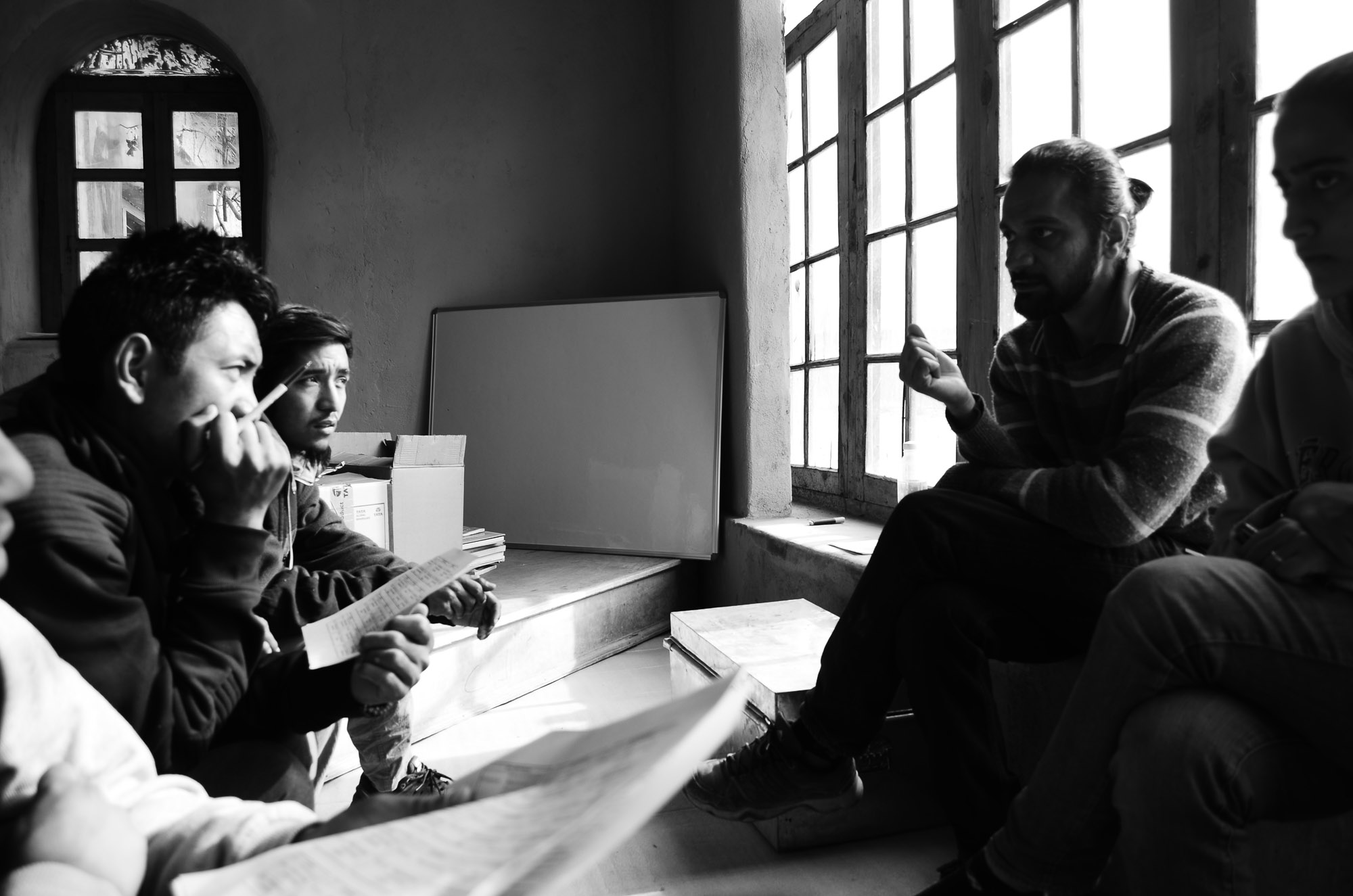
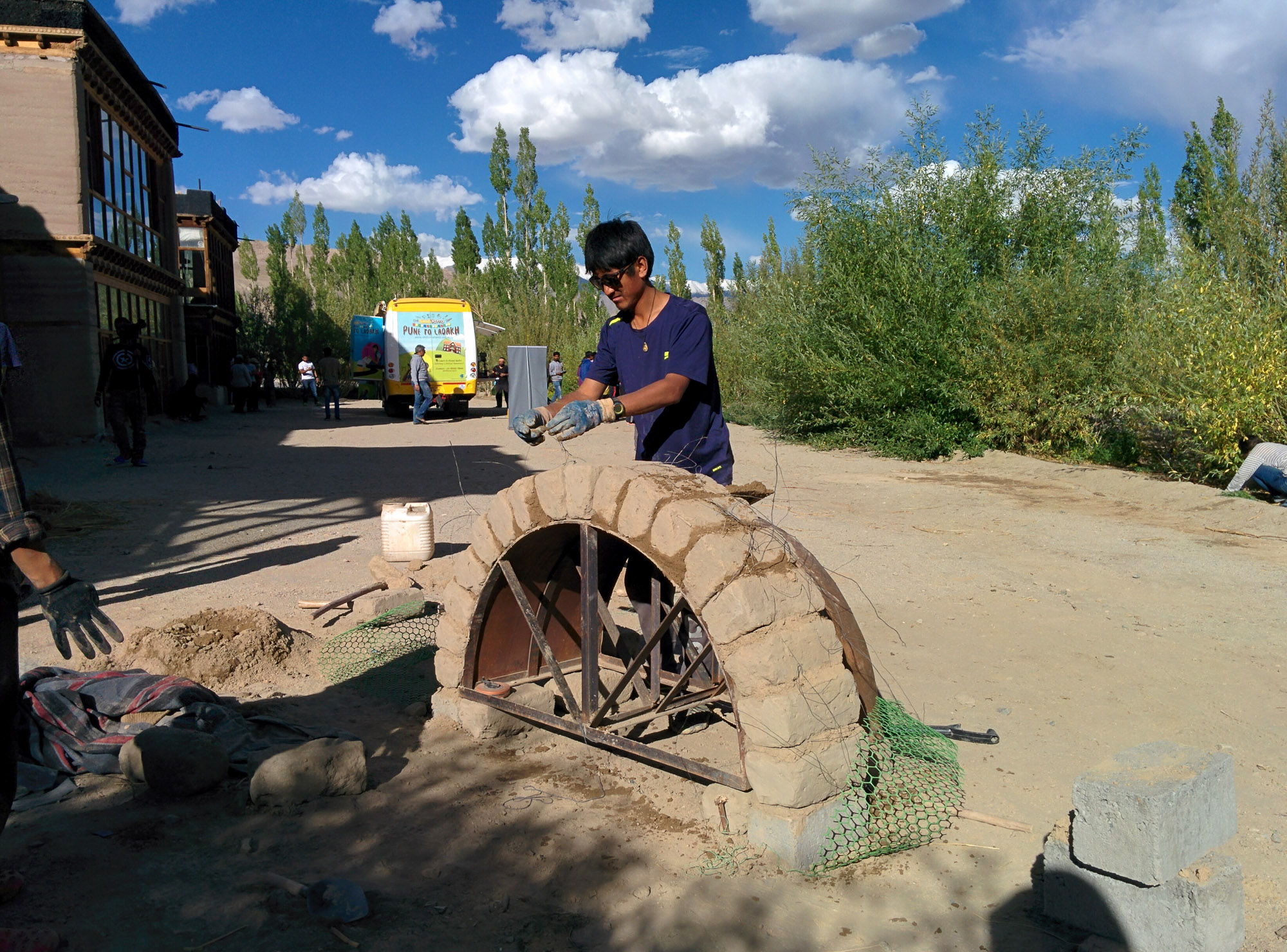
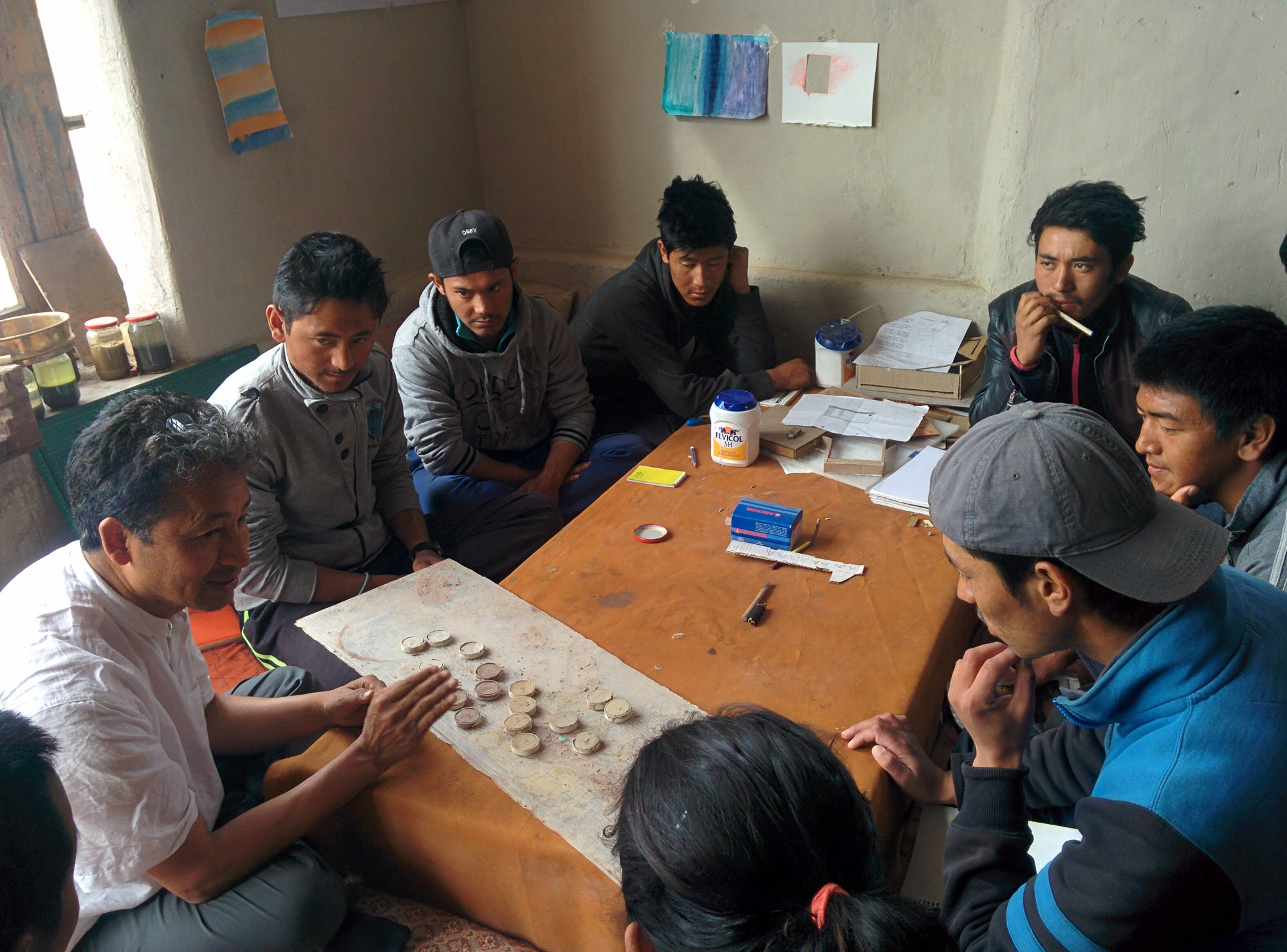
SP: Of course, we did not know exactly what we were going to apply or learn. We were basically ready to commit. That was the experience we were ready to take. We stayed there and curated and designed this passive solar and earth building course for Ladakhi students. We made the programme for two years, took the children in and trained them.
[…] While we were learning earthen construction practices and passive solar-heated building design with Sonam Wangchuk, during the day we were learning; in the evening and night we were experiencing it; and in between we were applying it in the next set of buildings we were designing.
It was a very fast and intense process for us. We were in a completely different terrain, learning so many new things, a different life and different weather.
FK: Then we also worked with Himalayan Institute of Alternatives, Ladakh (HIAL), the sister organisation of SECMOL. It was a desert area, an open site. We worked on modular earthen construction techniques and researched on things. We spent a lot of time in Ladakh before even starting a practice or thinking of starting one.
In the meantime we met Suparna Bhalla, one of the founders of HIAL. She would tell us that starting a practice is not something you decide one day. It lands on you. And that is what happened.
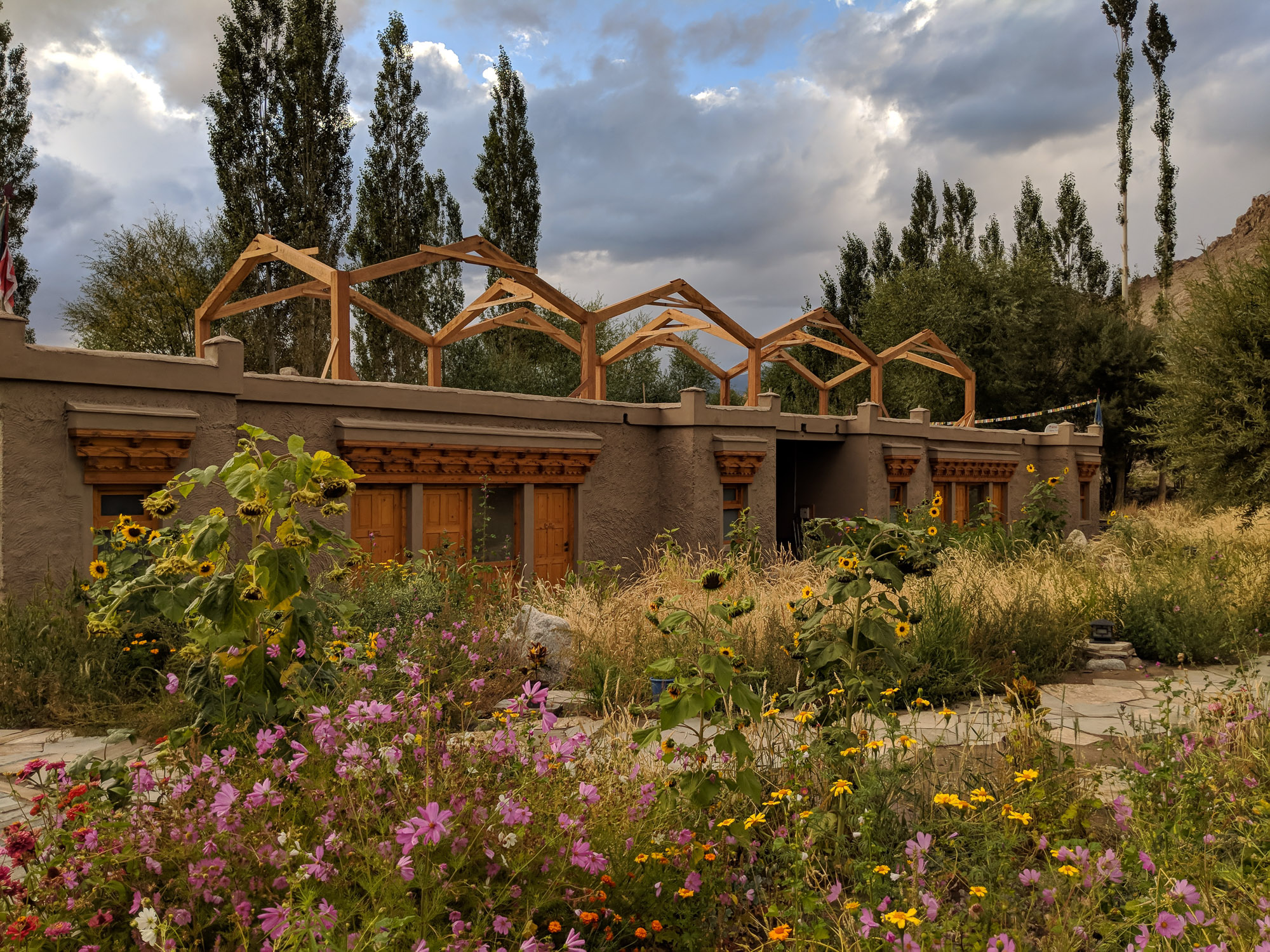
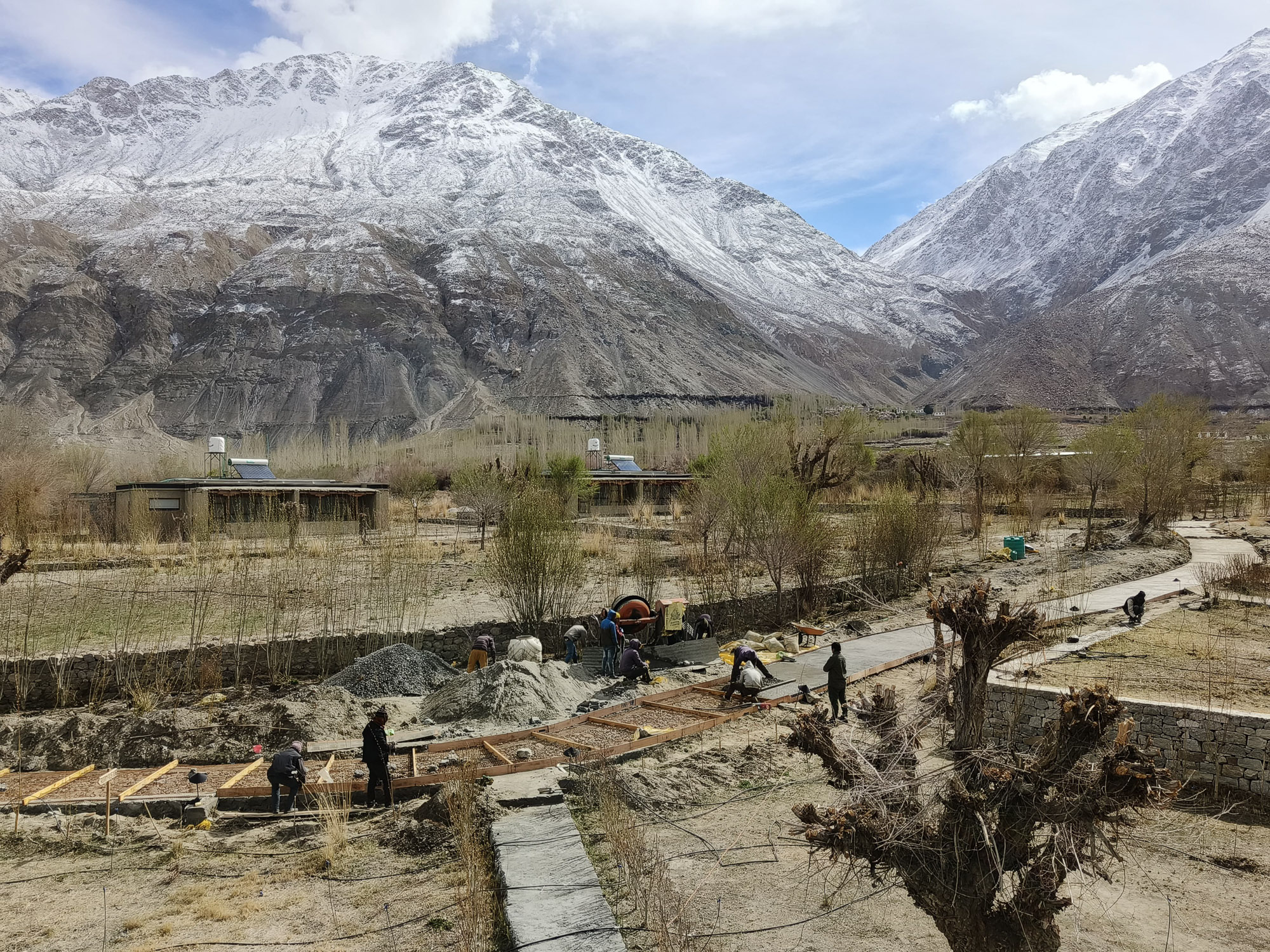
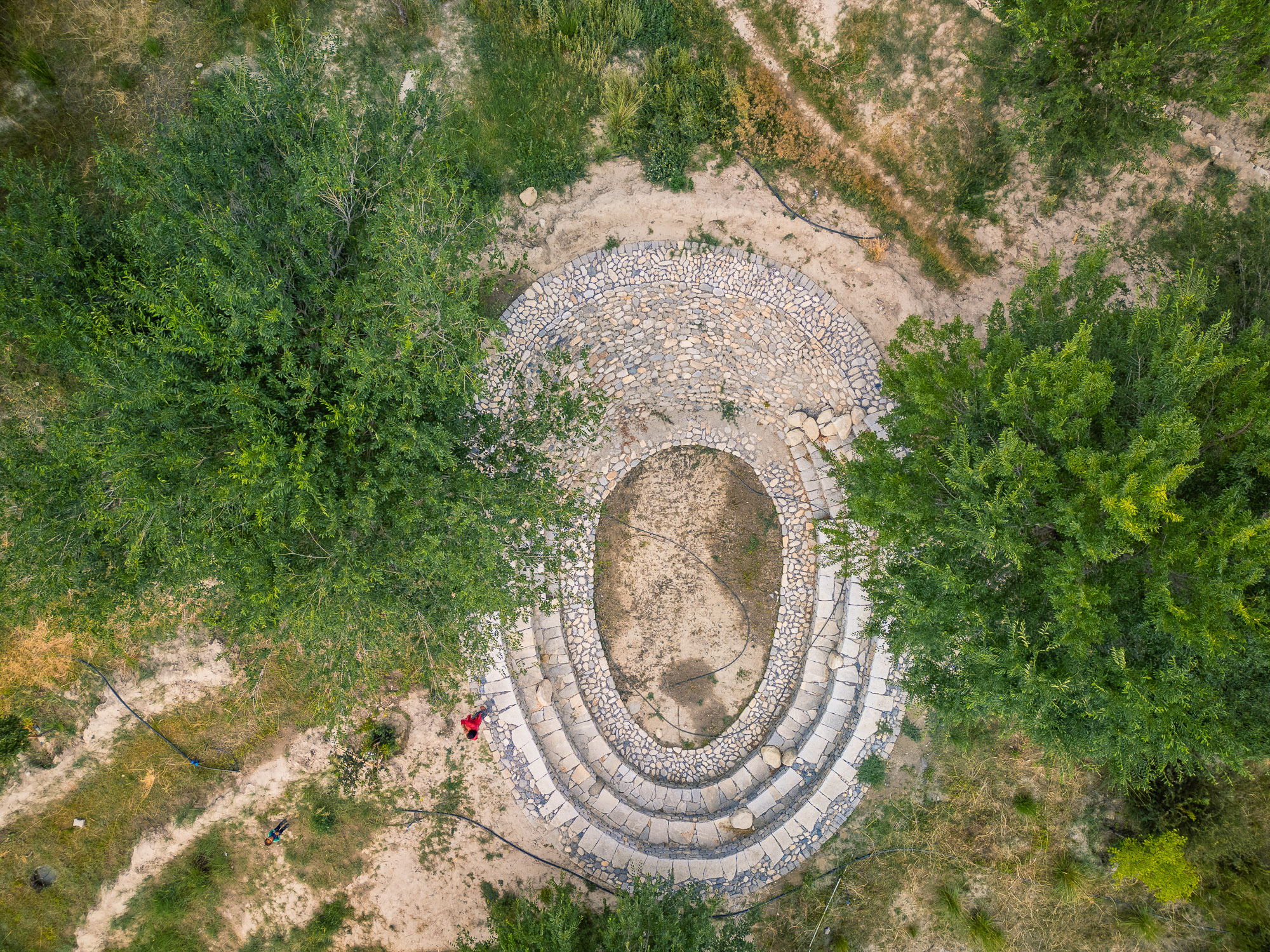
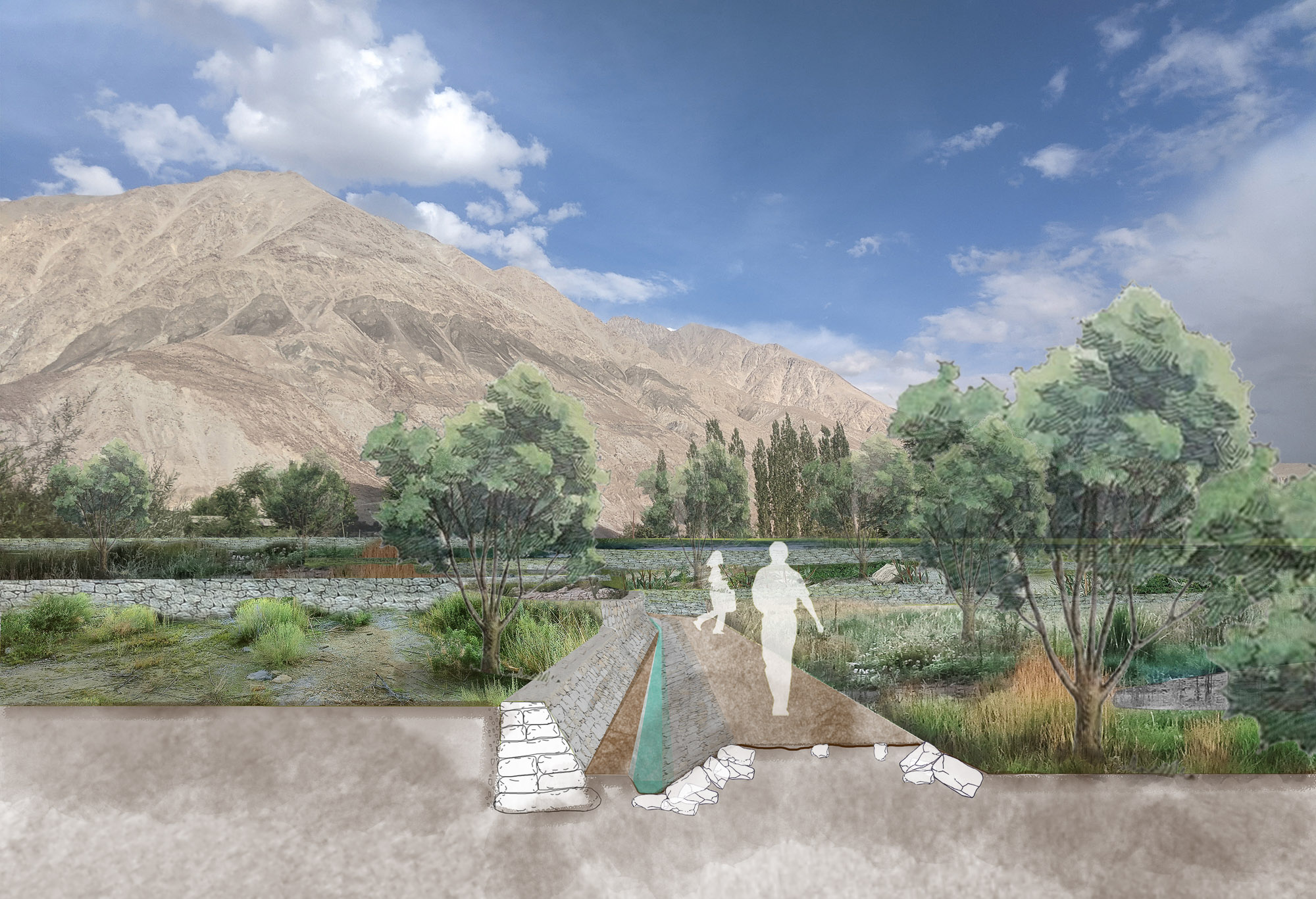
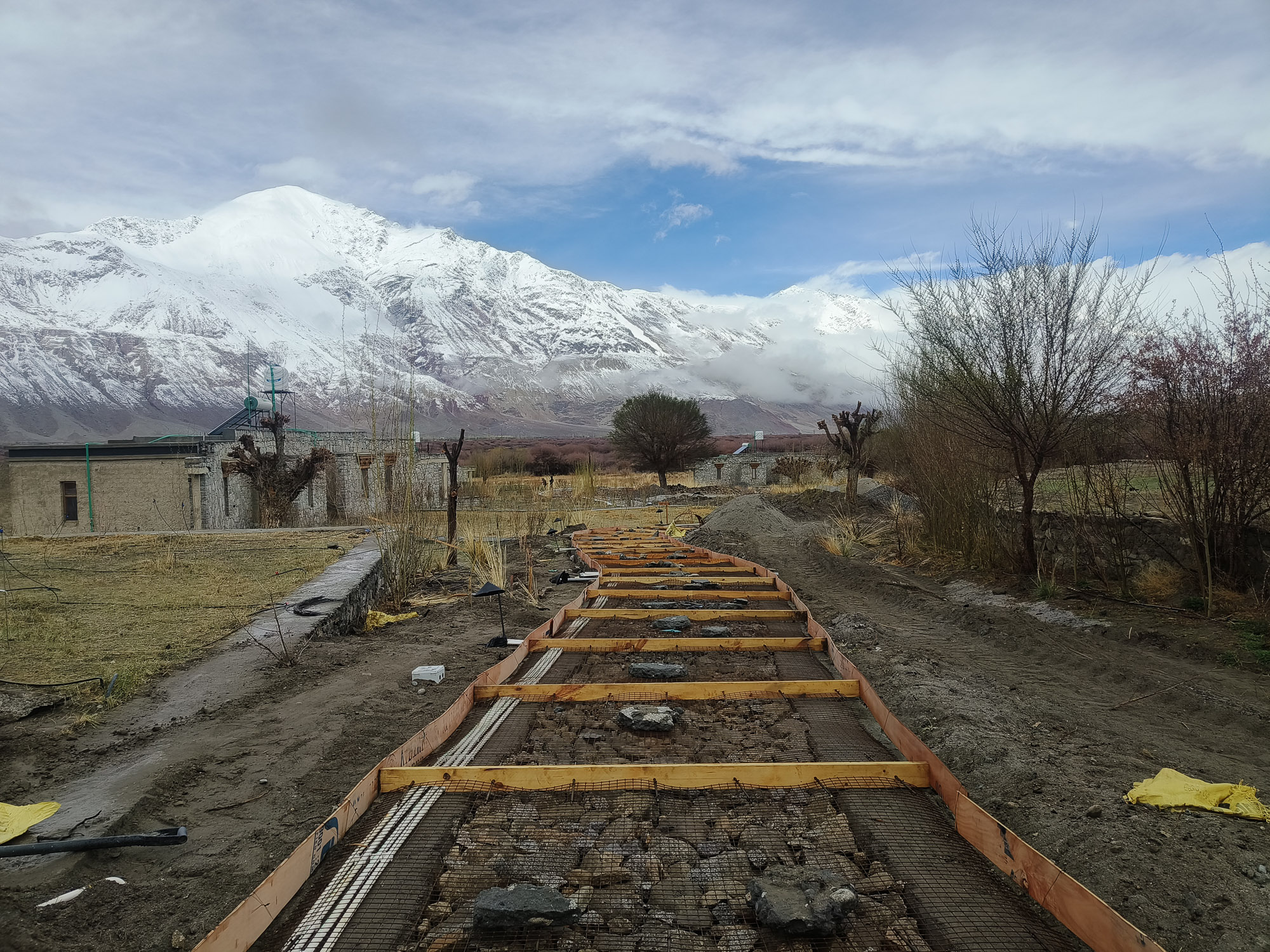
FK: Kapil Gupta had visited Ladakh and was staying at Ladakh Sarai. The owner needed some architects and Kapil referred us. The first project was repairing an earthen roof because it was leaking. Then he said, ‘The resort looks barren; why don’t you do the landscape?’. Which is how we came about undertaking the first landscape project for Ladakh Sarai, completely inspired by the cellular handmade farms of Ladakh and without using any cement, only natural stones.
That is how Field started.
SP: It is very important to understand why even we stuck with ‘Field Architects’ or the field as a name; it goes beyond the idea of architecture. It actually talks about the expansive nature of it. It talks about the seasonal changes. It talks about growth. It talks about adaptation to the new environment.
FK: Field has a lot of meanings. It is not only architecture related. It is more dynamic.
SP: Multidisciplinary in that sense.
SP: […] After working at SECMOL for a couple of years and spending winters here, experiencing the harshness of the weather and incorporating passive solar heated design in local buildings, that understanding came very naturally. It was not forced. When you have minus 25 (-25) or minus 30 (-30) degrees Celsius outside and you still do not need an additional heating system to live comfortably even at night, it just becomes sensible. It was not about having an eco friendly tag or a sustainable tag on the practice. It should come naturally. This was simply the sensible way to do it.
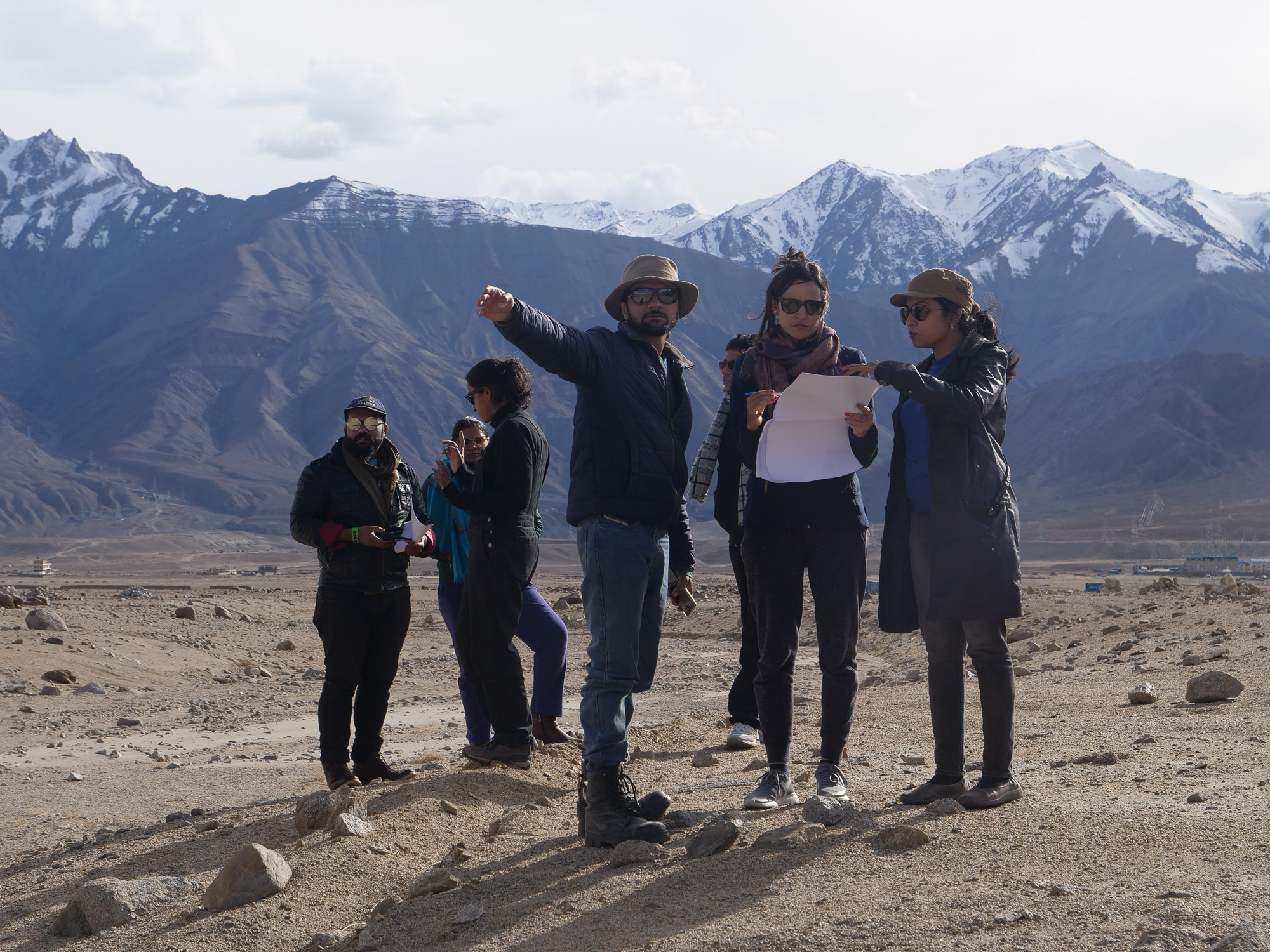
SP: While we were working at Ladakh Sarai on the landscape and the Yoga Pavilion and other things, we were also working with HIAL as architects and consultants. That was the first time they were breaking ground for the university. Abaxial Architects and Sanjay Prakash had worked on the master planning. At the actual site level, there was no anchor. There was nothing there. It was a barren mountain slope. Not even water. Not even a borewell.
So in that stark desert, in the heat of the summer, under the scorching sun, how do you even mark where your place begins?. Where do you put the first anchor and say this is where we start from?. These debates and discussions led to a simple aspect. At one earmarked location, we decided to create five sets of passive solar heated residences and classrooms that could kick start the entire university program.
FK: They had different materials like adobe, rammed earth, straw clay. So one began to understand the heating performance with different materials.
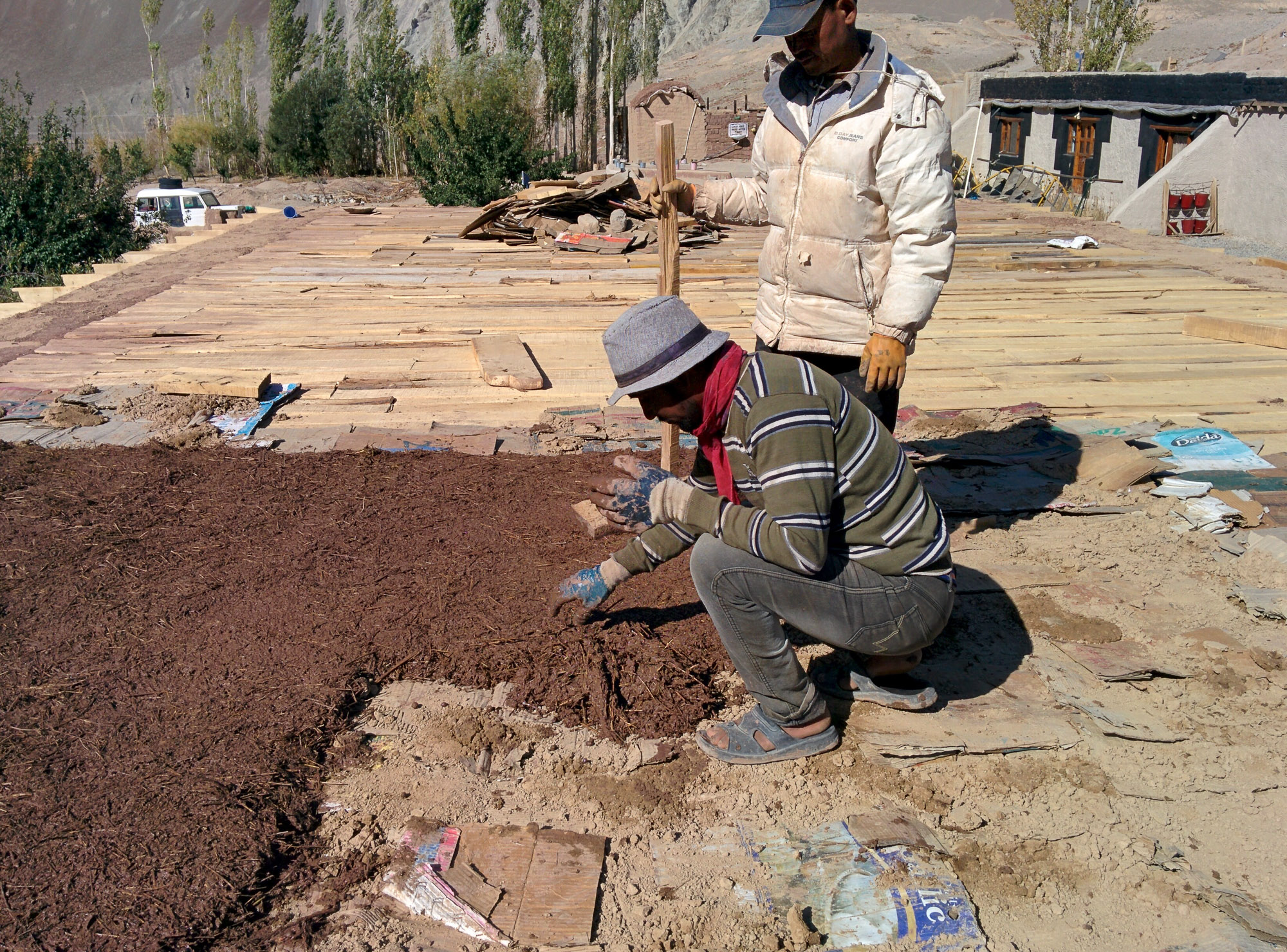
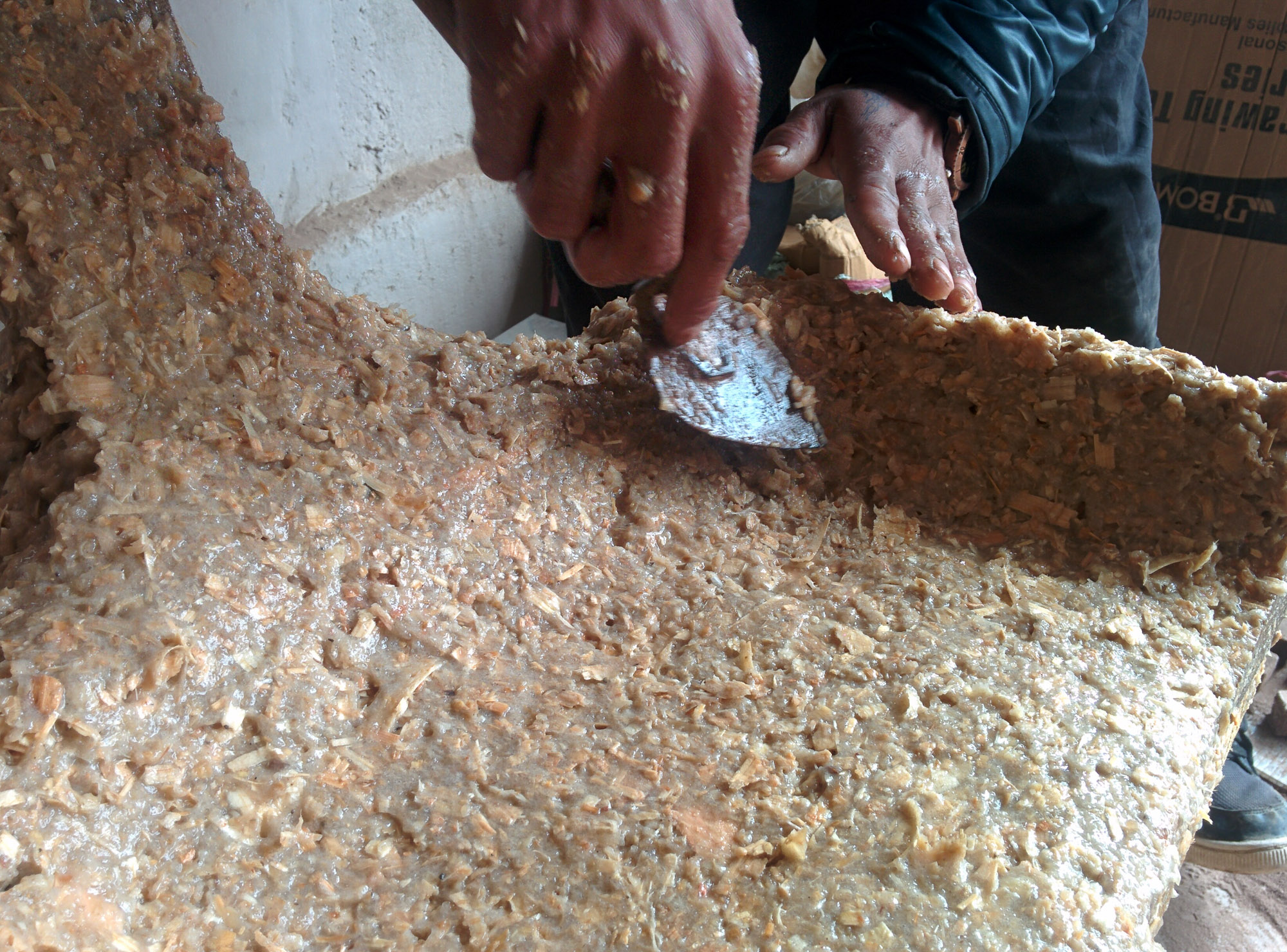
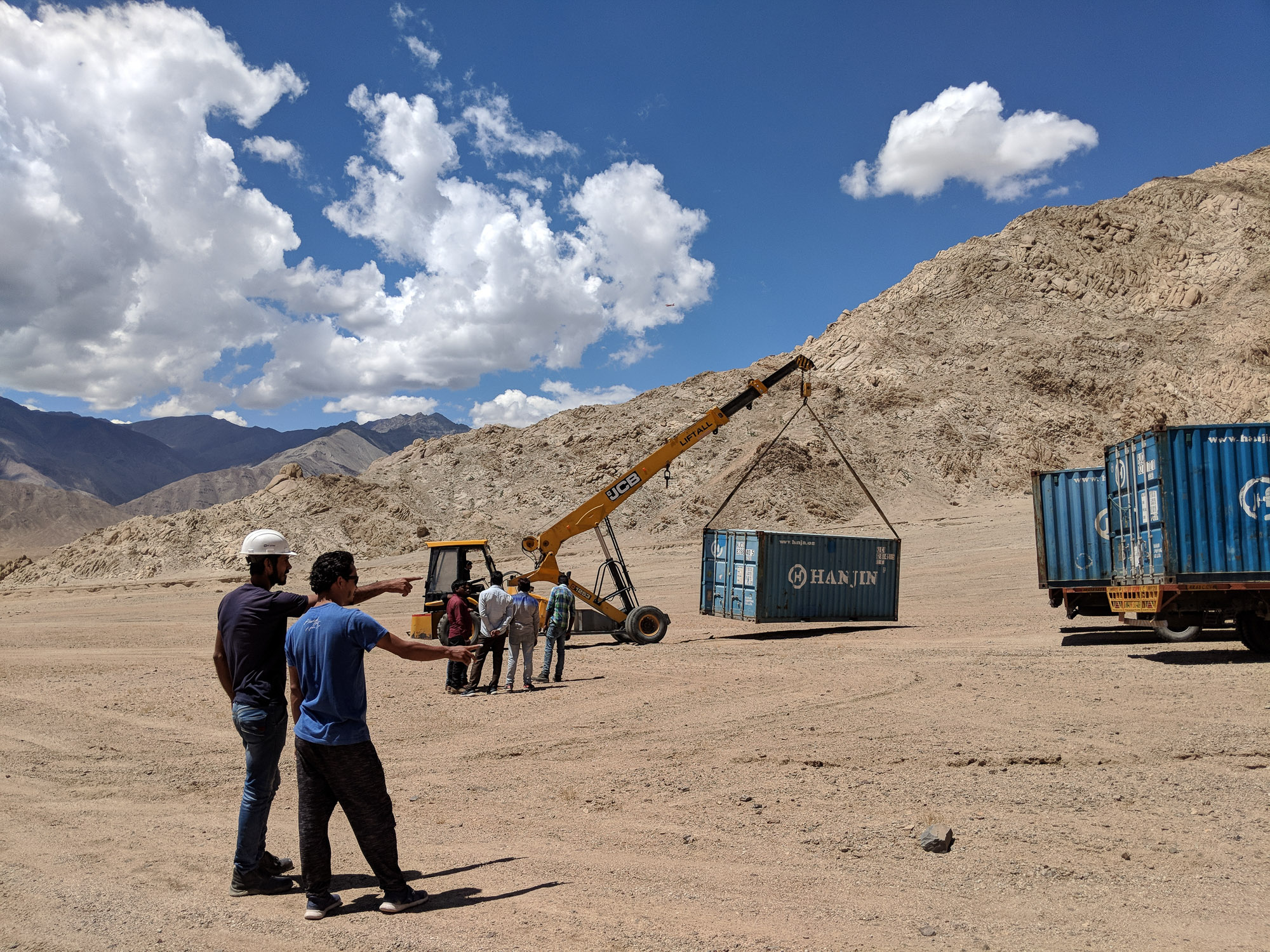
SP: One of the important things we got a chance to work on was the PRE- FREB technology that was developed for a passive solar modular house. The idea was that if you have very little construction time on site, how do you create a prefabricated earthen insulated wall system that is pre ready and can be assembled quickly.
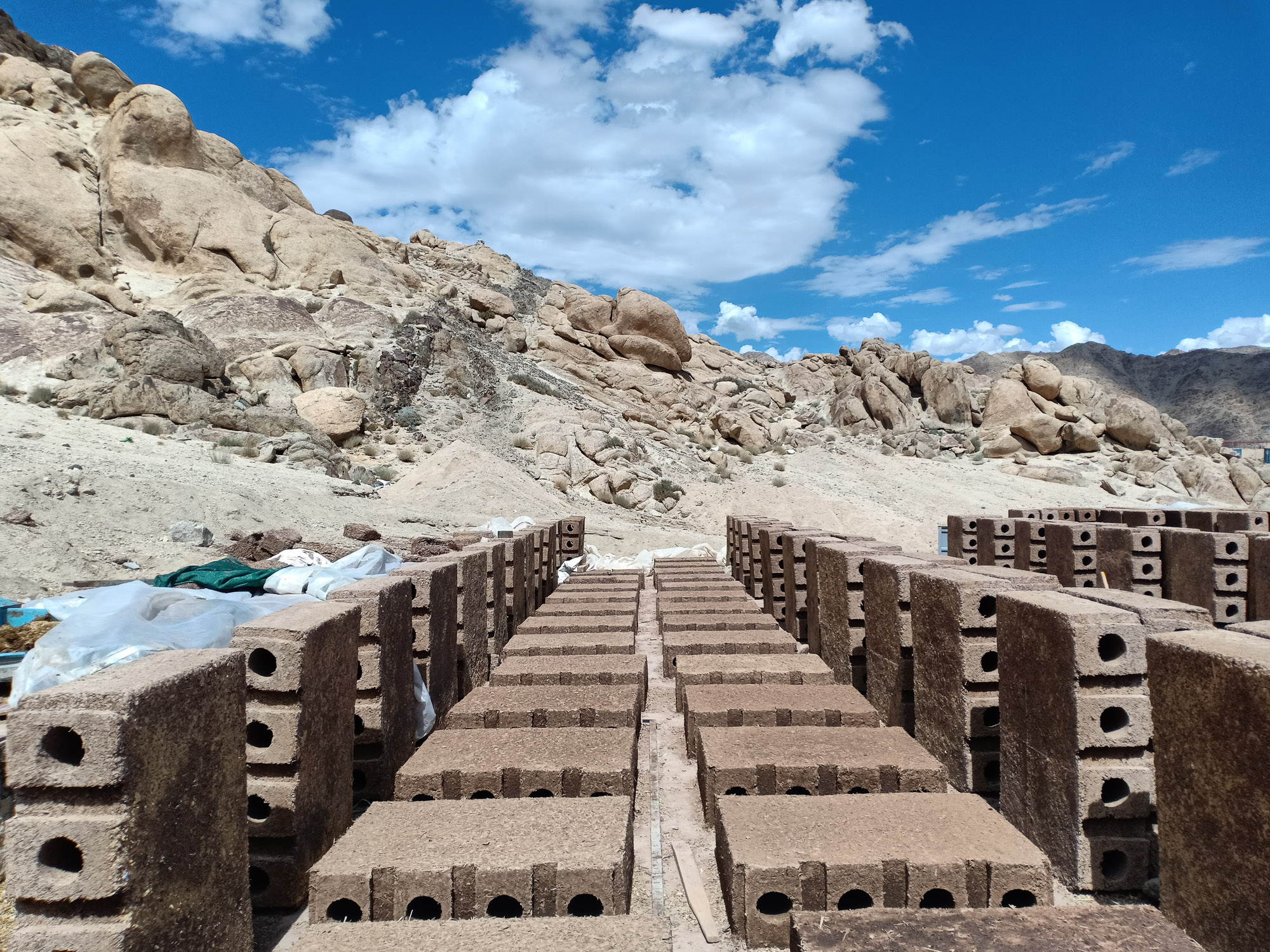
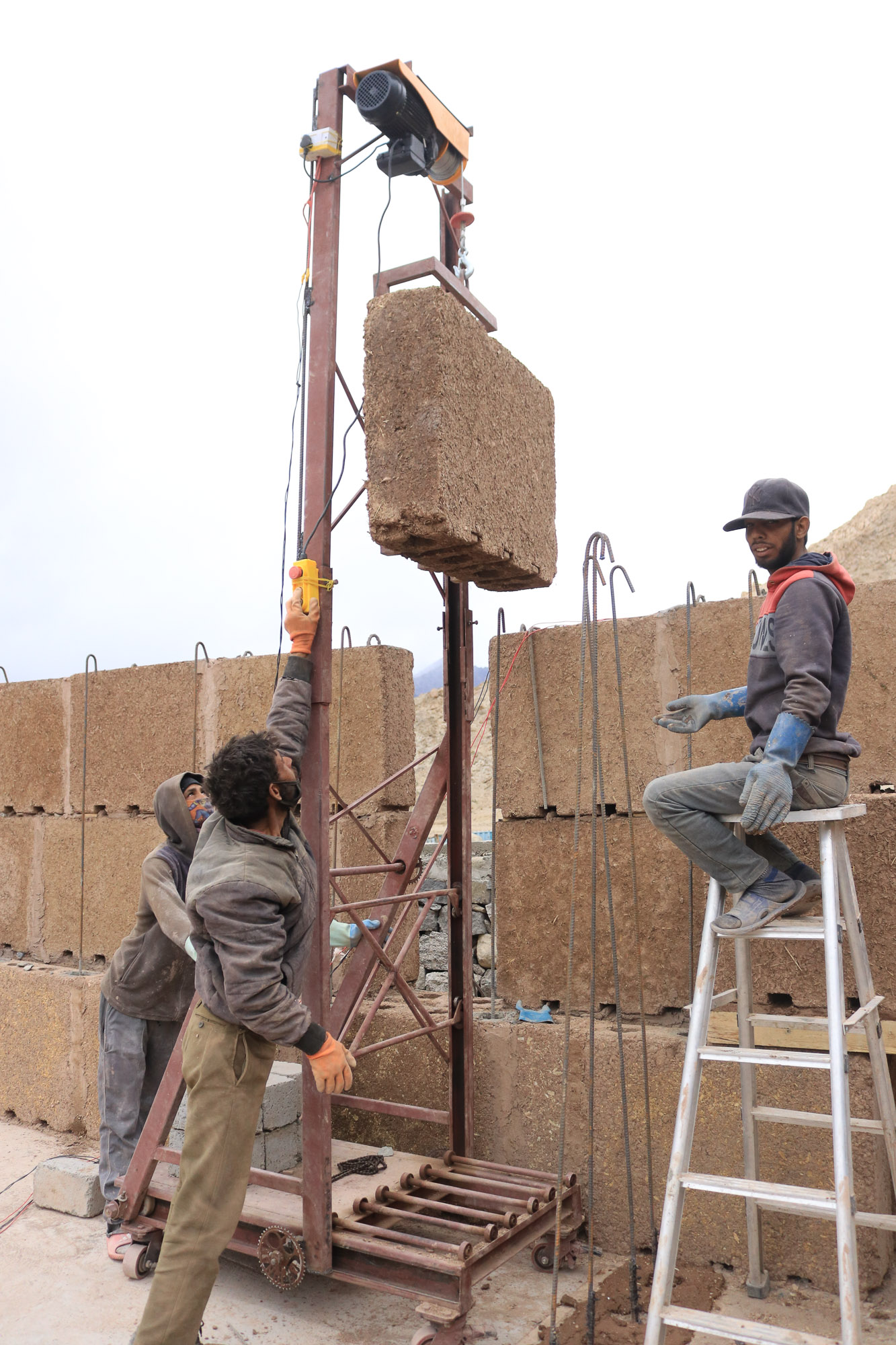
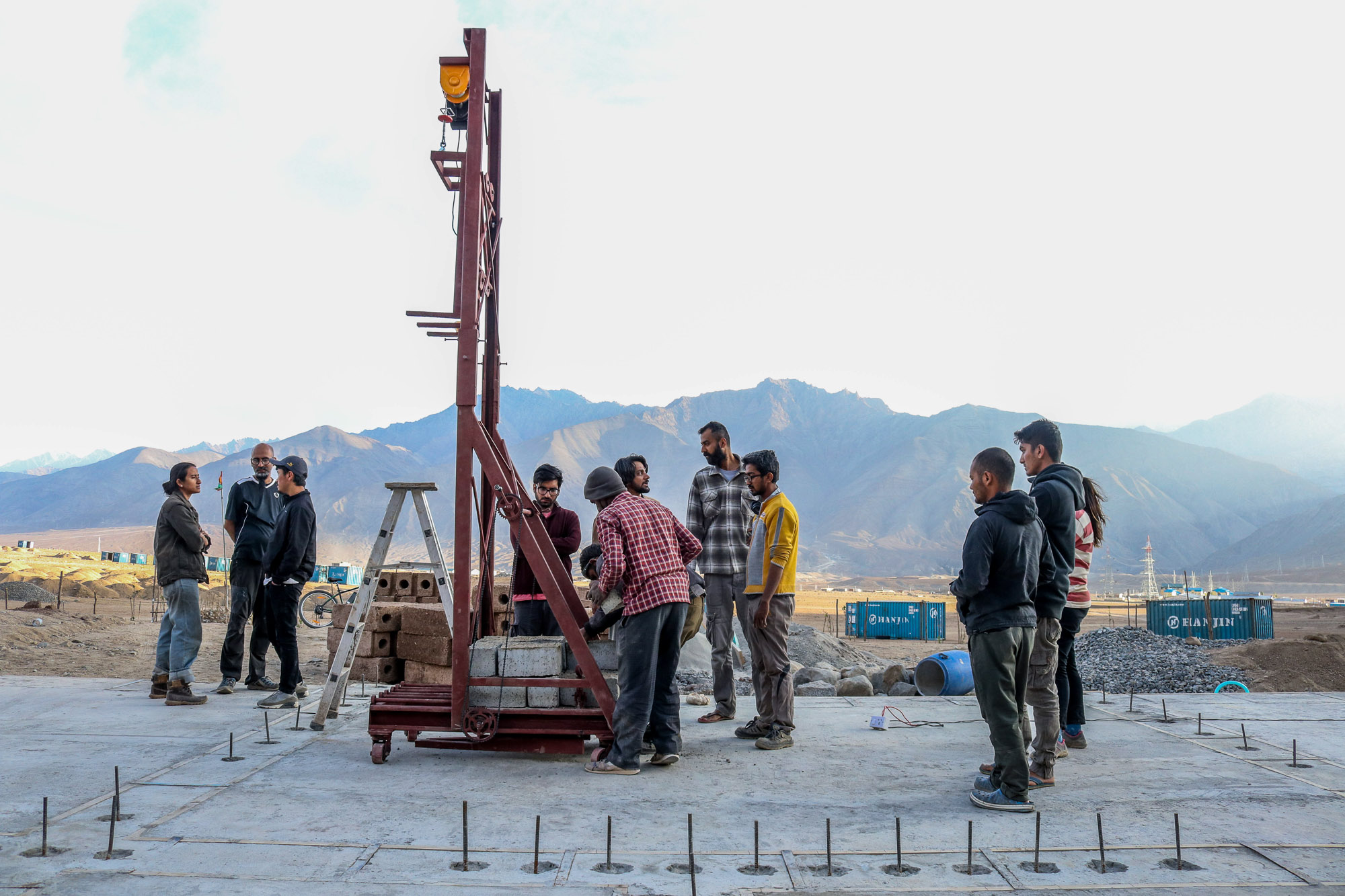
This modular construction had not been done before in that context. We did not have a local case study to refer to. We had to design the idea of modularity and the idea of assembly. Even the crane that was used to assemble this modular wall system was designed in house and manufactured hands on with a local fabricator. That entire experience with HIAL, and earlier with SECMOL, gave us very intense exposure and orientation to working in Ladakh.
The idea of hands on was not just about getting your hands dirty. It extended to knowing the technicality, knowing the context, understanding the artisanship, what is possible and what is not possible, understanding logistics and seasons. This multitude of knowledge coming together means that even if you are not literally building with your hands, whatever you design or detail has a strong root in the place you are in. That is hands-on for us.
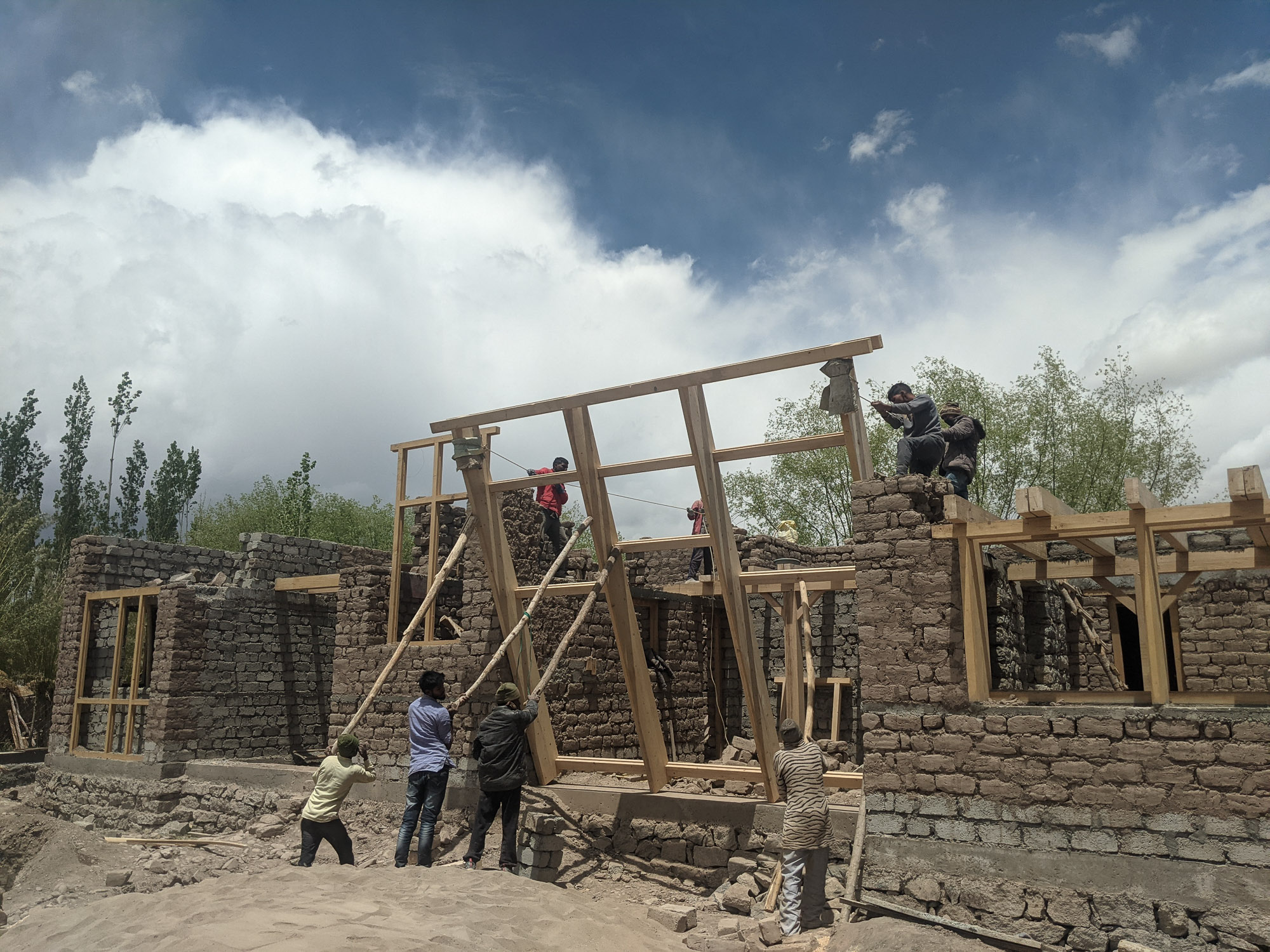
FK: Working in Ladakh has been the most challenging, and the most learning experience. There is no structural engineer. You have to rely on your intuition or talk to villagers who have built before. You have to observe things in a very rational and critical way. You have to have certain level of alertness always.
SP: You have to see things five steps ahead when something is being designed or constructed. What can go right or wrong, and at what point you need to modulate.
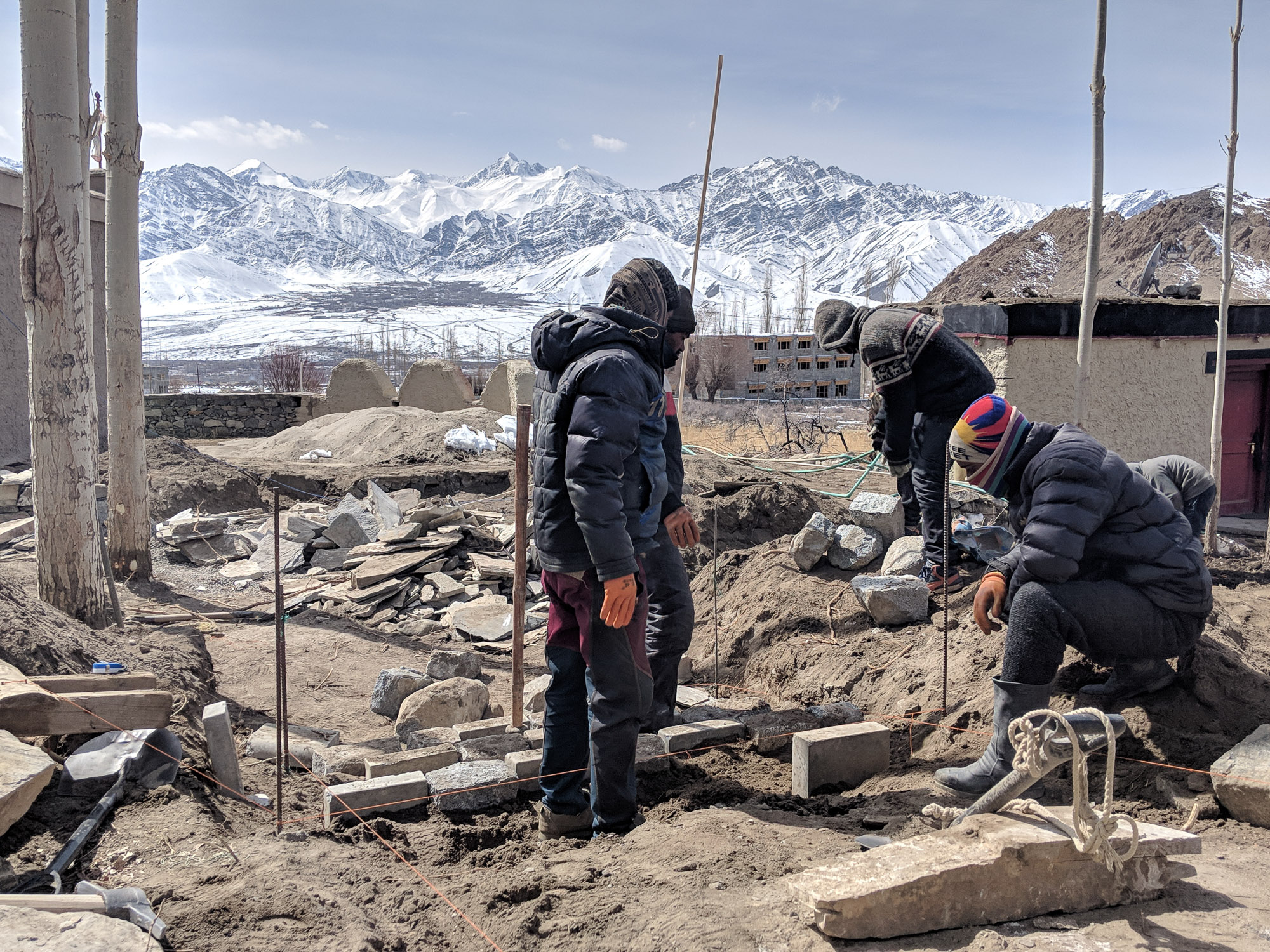
FK: In Ahmedabad, we have an office. Right now, we are spending time between Ladakh and Ahmedabad. Before Field even began, we had done some interior projects because my family is there. So we collaborate with friends and people we know.
In Uttarakhand, we have designed a very beautiful house but it is still in process because of land regulations. At one point, we were thinking of setting up another unit there and travelling in a triangular way, but currently, it is between Ladakh and Ahmedabad.
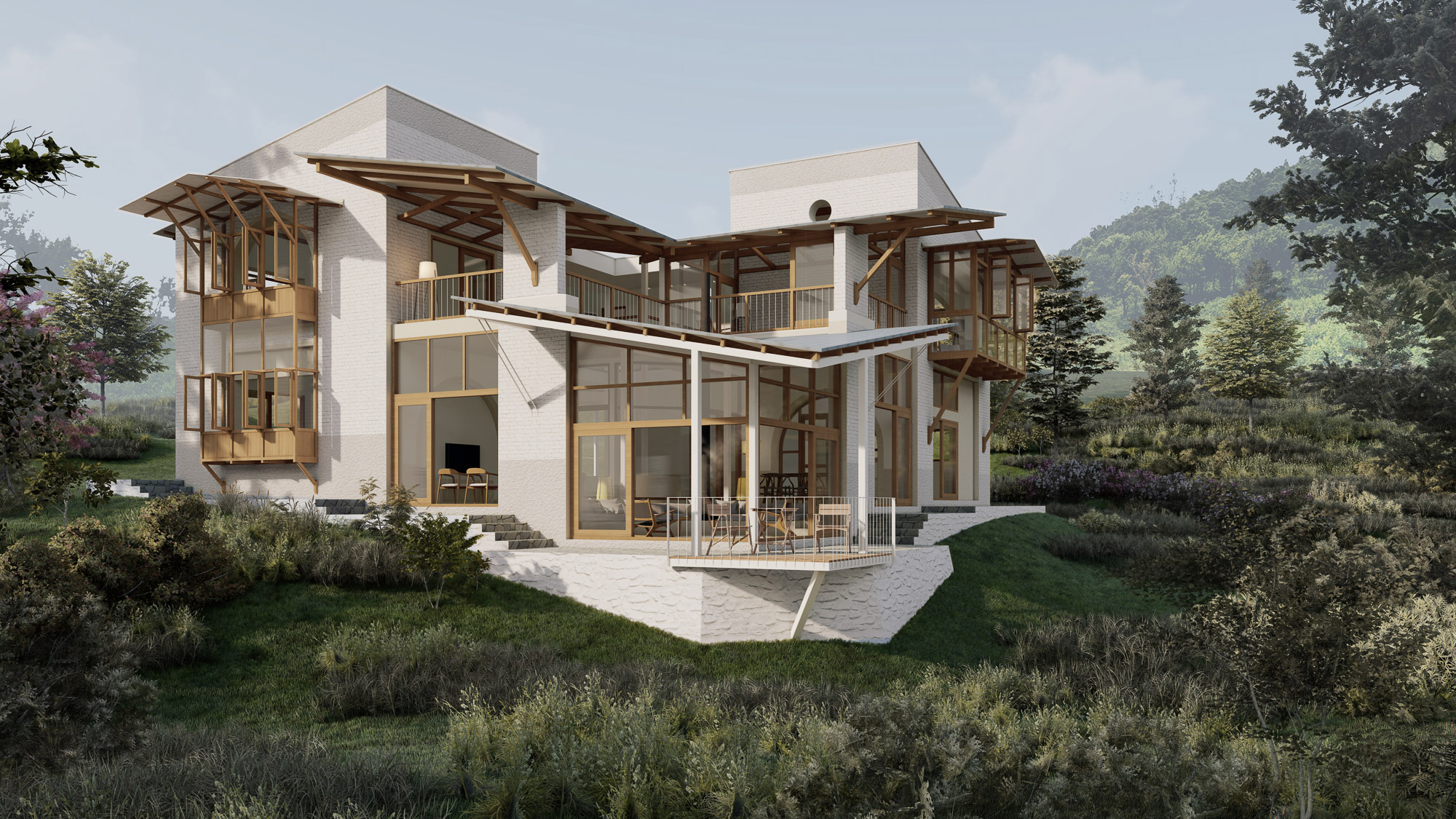
I feel understanding contextual practice comes from spending a lot of time observing and understanding a place. When you go to a new location, it is not easier, but your mind gets trained to filter what you really need to look at. Even after spending so much time in Ladakh, it is not that we cannot understand another vernacular. It is about training yourself: What are you looking at? What are you responding to? That becomes part of contextual practice.
SP: It is a design-based practice in the end. it is not about putting a tag of so-called sustainable architect These tags beyond the point is not going to matter where you are just working towards the idea of design and what is important. These tags do not matter beyond a point. Here these aspects become the norm. It becomes part of the brief. It is not a choice.
If you make something insensitive or something so complicated to build that it increases cost or shifts construction timelines and you cannot manage it within the seasons, then no matter how great the design is, if it cannot exist properly, it is not worthy of being here. It is as simple as that.
Within that, what is the creativity you can bring that elongates the lineage of what already exists here. The vernacular has not evolved with advanced technology. It has evolved from the ecology that people have built over centuries. Whether it is detailing earth, timber, glass or steel, it should not be about complicated interesting design. It should be about how creatively the solution becomes almost a non-solution.
The best detailing is when you did not have to. The way these values are imbibed within the practice, within the team and even with the craftspeople on site, it is coherent in that sense.
FK: I feel we live in a time where the price of things does not matter as much as the value of things. So the practice is also about educating the client.
If we are doing something in a certain way, what is the value of it? We are not trying to imitate the vernacular. We are trying to evolve it, and take that knowledge forward. Each project is connected with a thread. It is a body of work at the end of the day.
One project does not stand alone for that context. It is the overall set of projects that we are creating, which is also modern in its nature and it is for the new aspiration or the client.
SP: In the last two years we have worked very intensely in Ladakh on multiple kinds of projects. Passive solar residences, conservation, landscape, hospitality, product design, furniture design, and pavilion design. All of them have certain connections.
The aspiration going forward is to expand this portfolio so it does not speak only about one context, but about multiple places. The experience and understanding evolved in Ladakh can feed into projects in Rajasthan, Uttarakhand, Ahmedabad, Maharashtra.
These places are already part of our knowledge system. We see the future of the practice as expanding this understanding into a larger context.
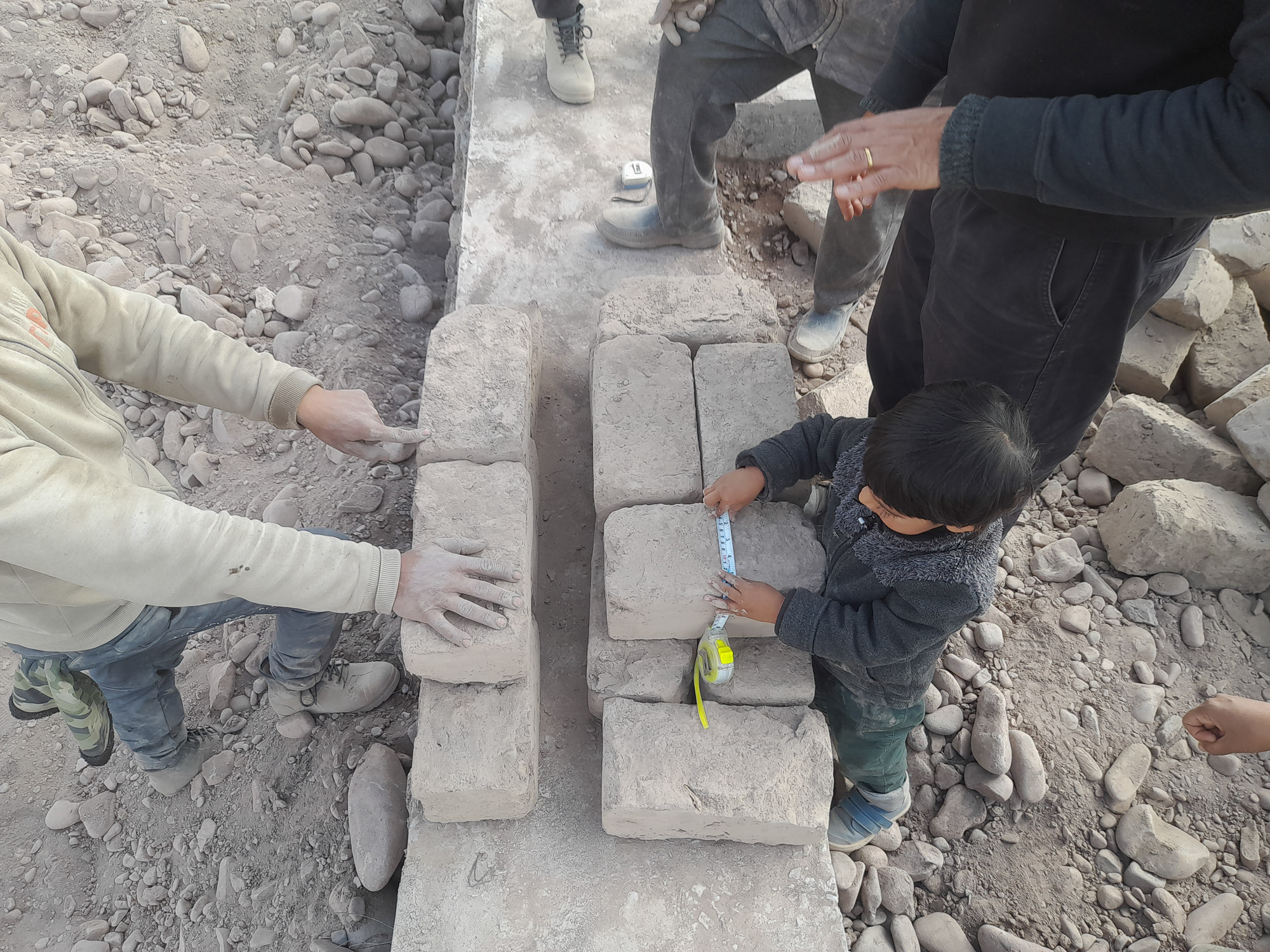
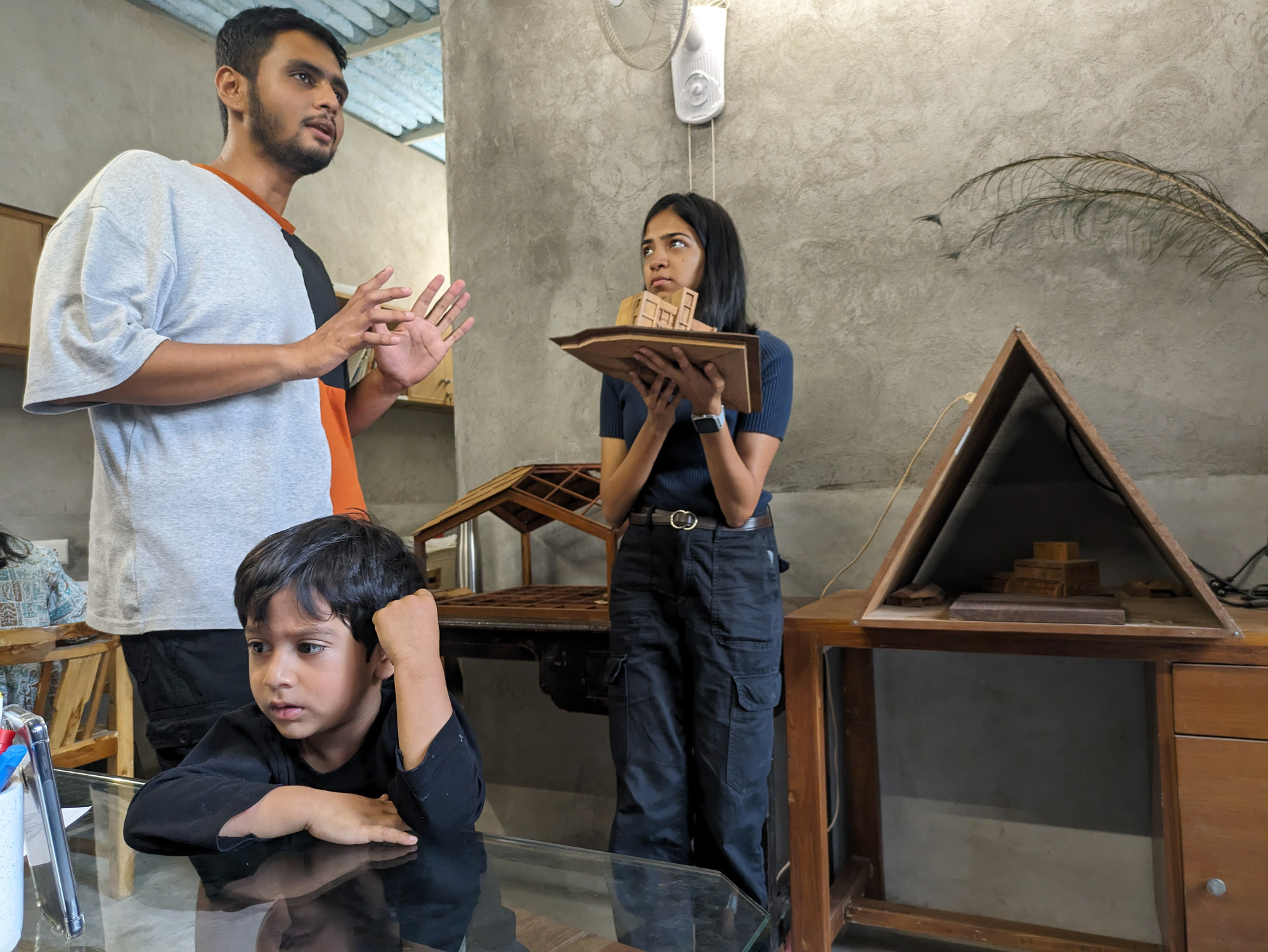
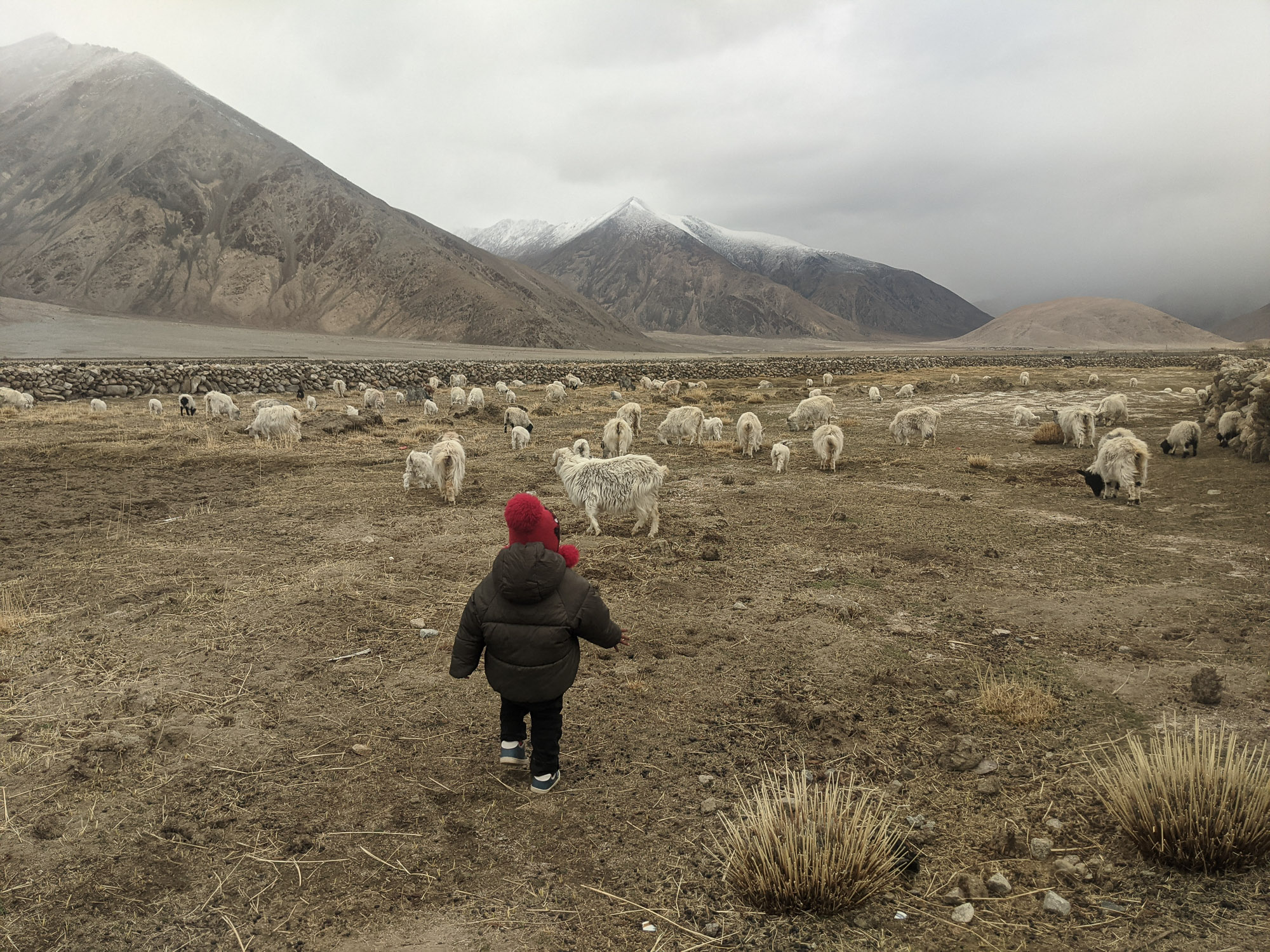
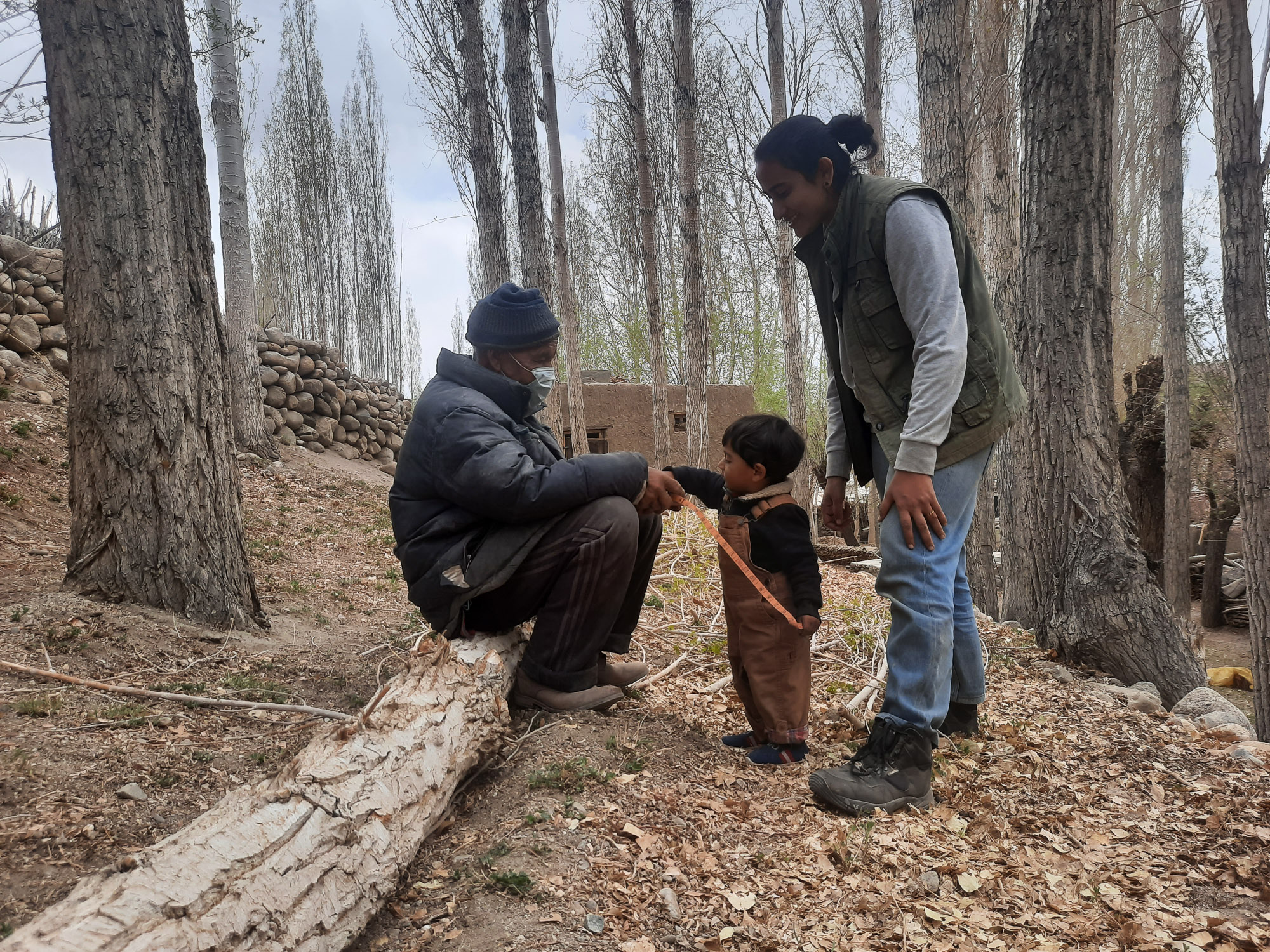
SP: We also have a child growing up with the practice. Hence, it is a two-sided project: you are looking at the future of the practice and you are also looking at the future of the child and kind of education, kind of exposure, and the kind of skills that the kid acquires. It is not about what career it is about, It is about exposure, skills and being with nature.
CULTURE
<00:30:34>
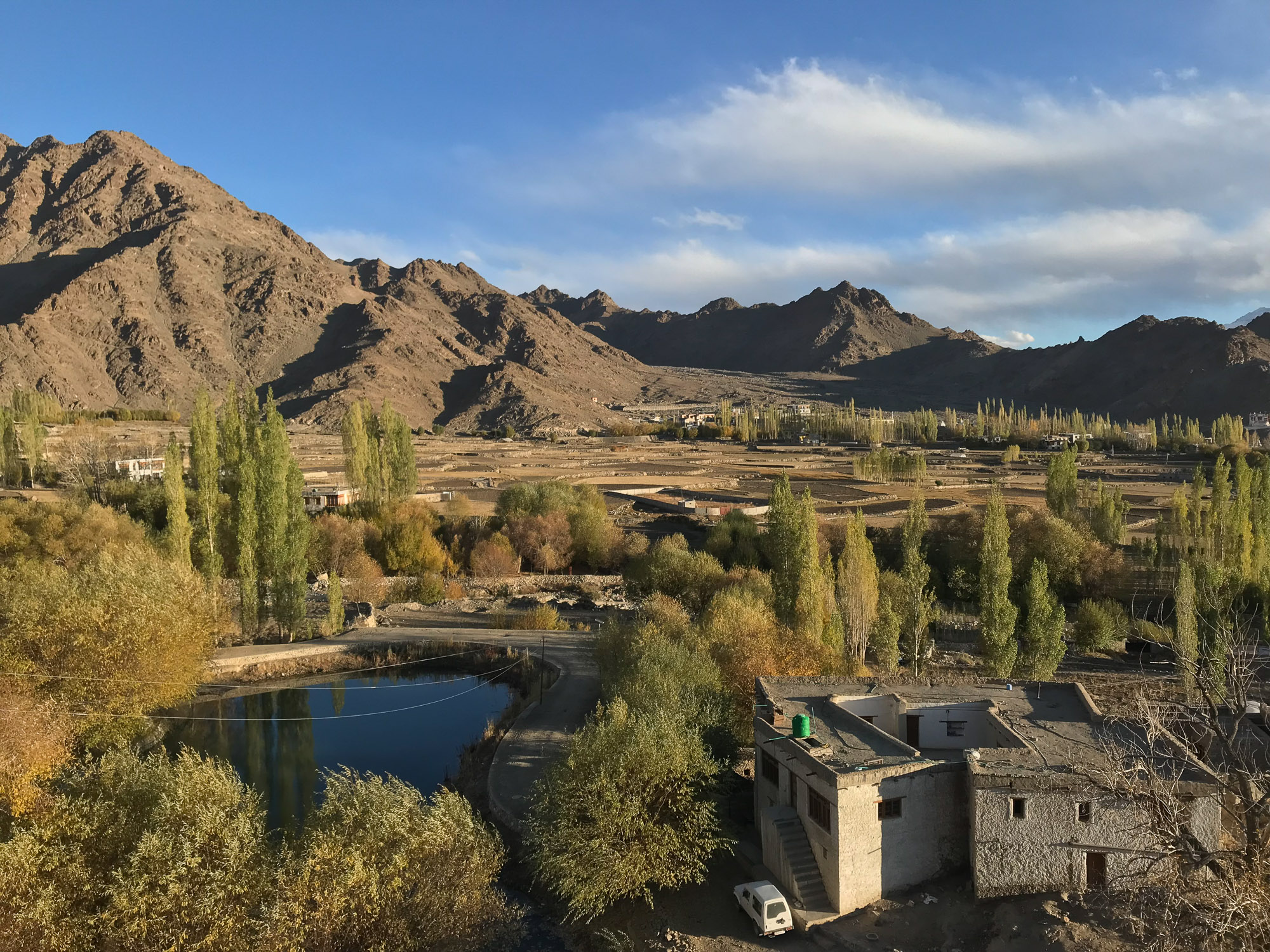
SP: We currently have two offices in Ladakh and Ahmedabad, and it did not come to be in this manner. Of course, when we started working as Field Architects, initially from Ahmedabad when we were travelling back home for a couple of months or so, we did not have an office. We did not even have a plan for how to make one there or where to make that office.
In Ladakh also, we had to think about where we would stay. This entire hunting process was quite tiresome, where one of us would travel beforehand to Ladakh and try to look for a place to stay, host people, make an office space, and bring our staff and colleagues there to stay with us. From working in Uttarakhand, SECMOL, and HIAL, we had already envisioned that this would work in some manner where it functions like a commune. If it worked like an individual for oneself, it would just break apart because the climate is very harsh there, and the logistics and travel are difficult.
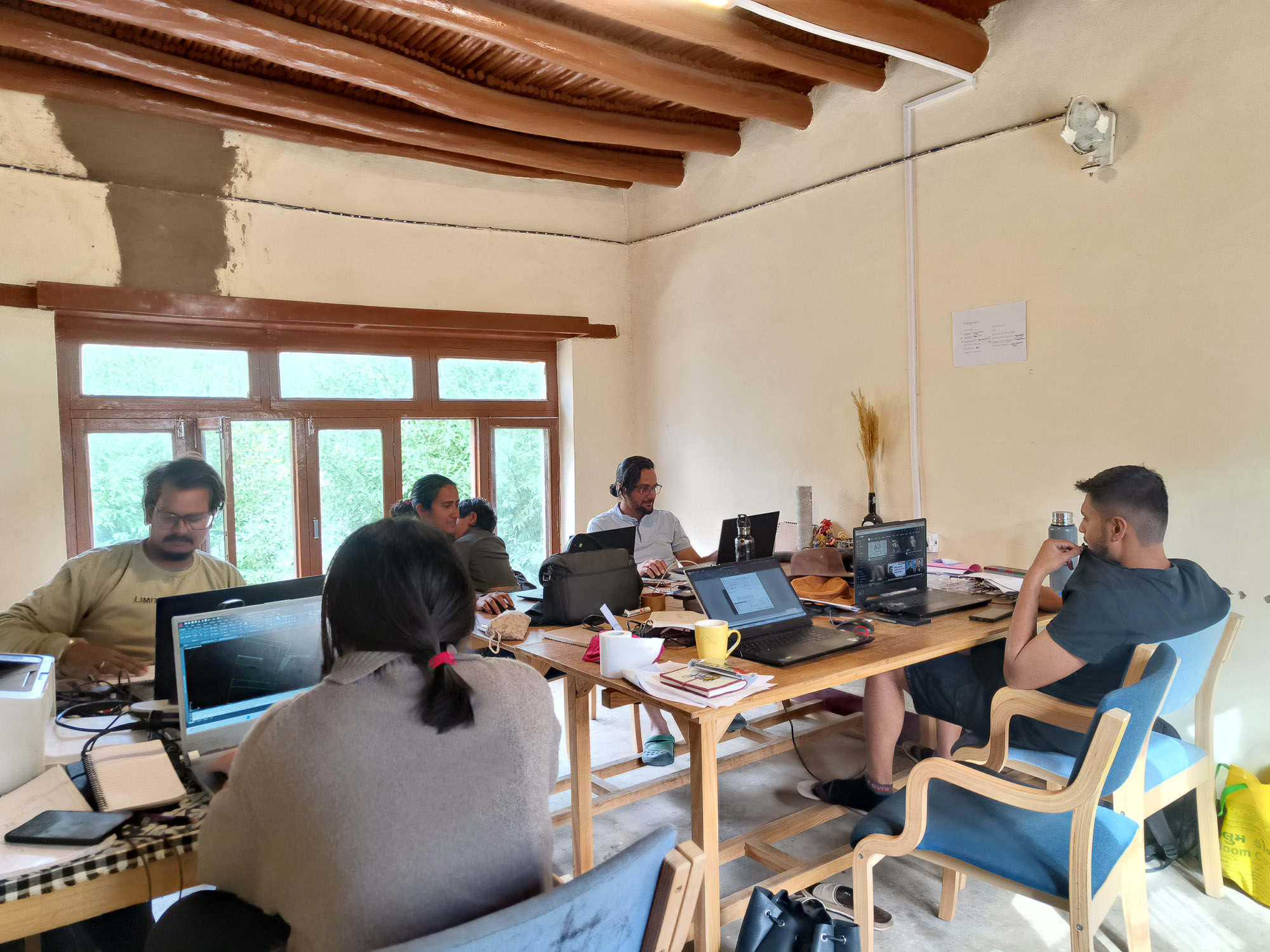
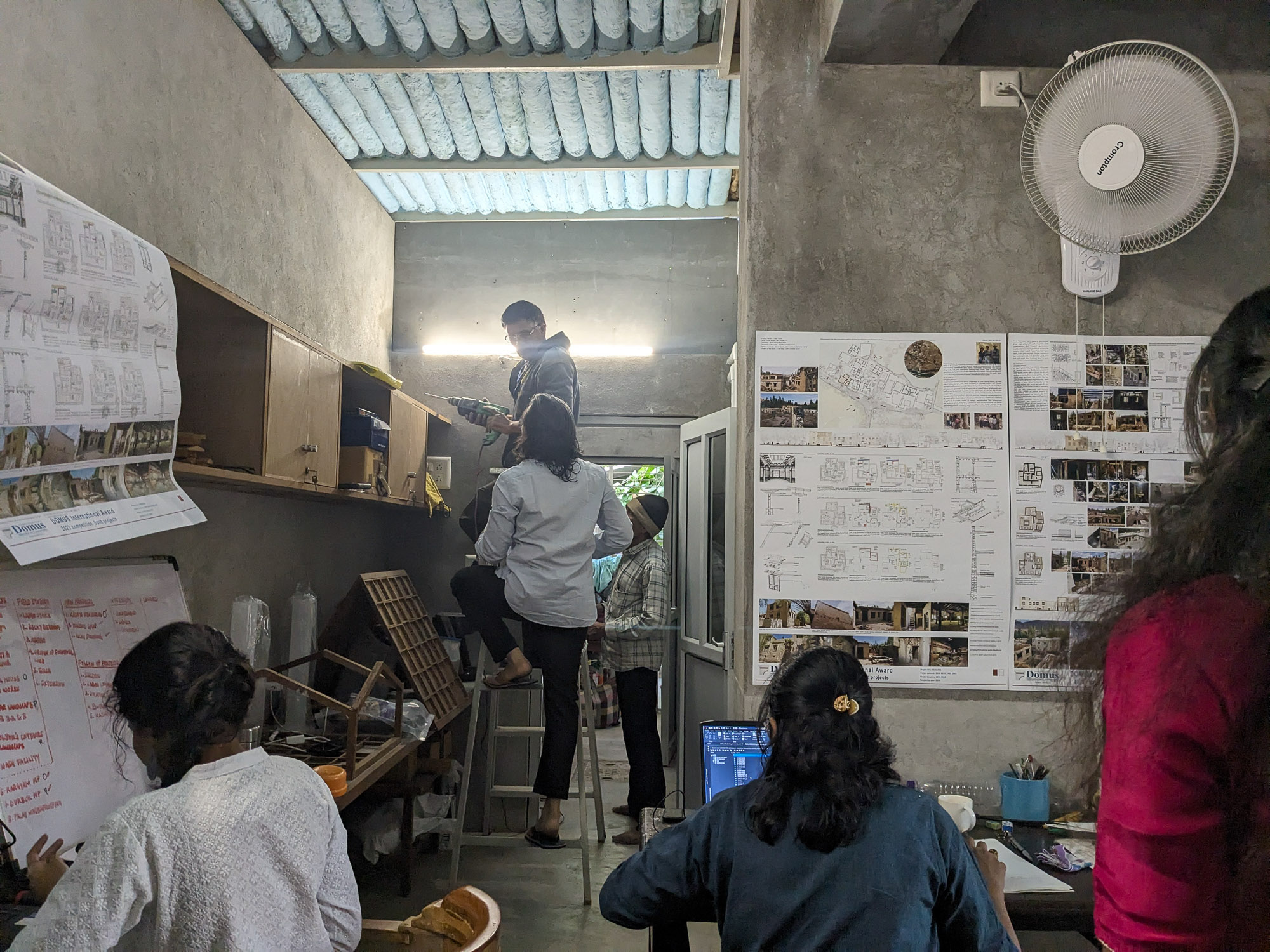
When we talk about the office, it almost works like a small unit, a little commune where everybody comes together for meals and everyone comes together during difficult days.
FK: It is like a family.
When we speak about the office, it works like a seasonal change, similar to how nomads travel from one pasture to another depending on the season and the time of the year.
We also move from here to Ahmedabad and from Ahmedabad back to Ladakh according to the seasons of construction, and the seasons of desk work.
FK: The whole office setup moves. In one way, we are very grateful and thankful that we have people who believe in the practice and are ready to make this transition with us. Otherwise, from outside it may sound very tiresome, and it does take a lot of effort and energy.
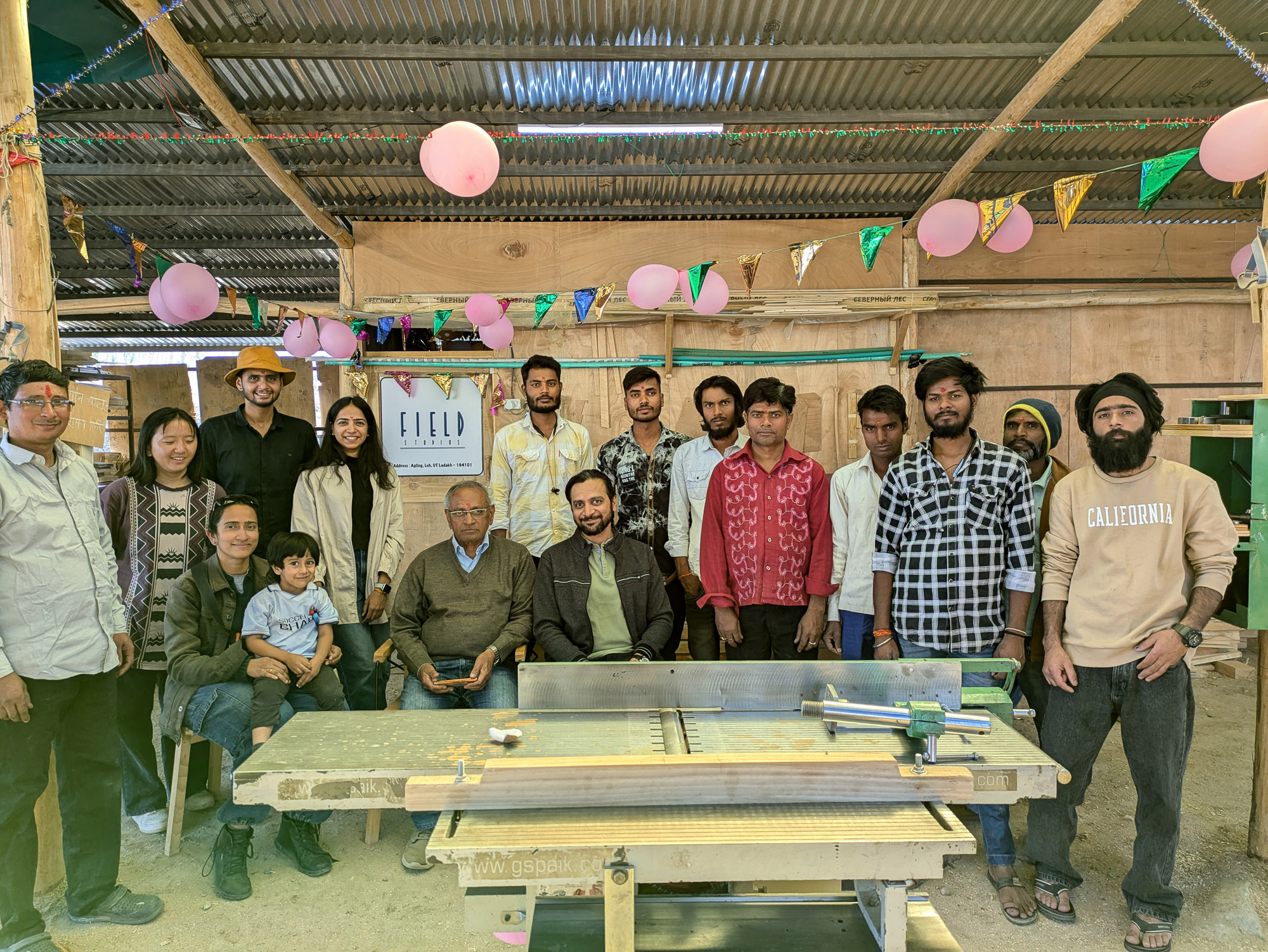
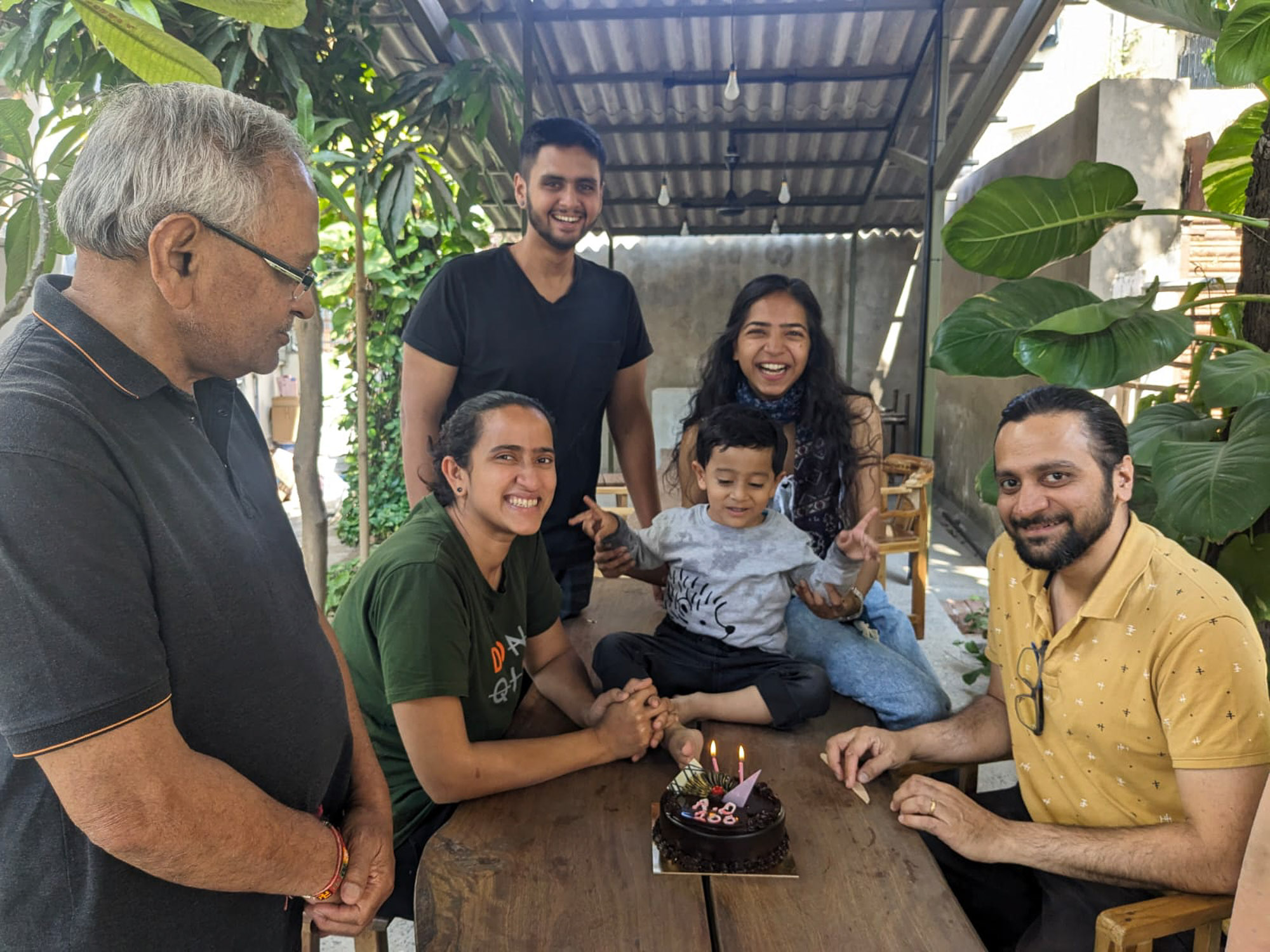
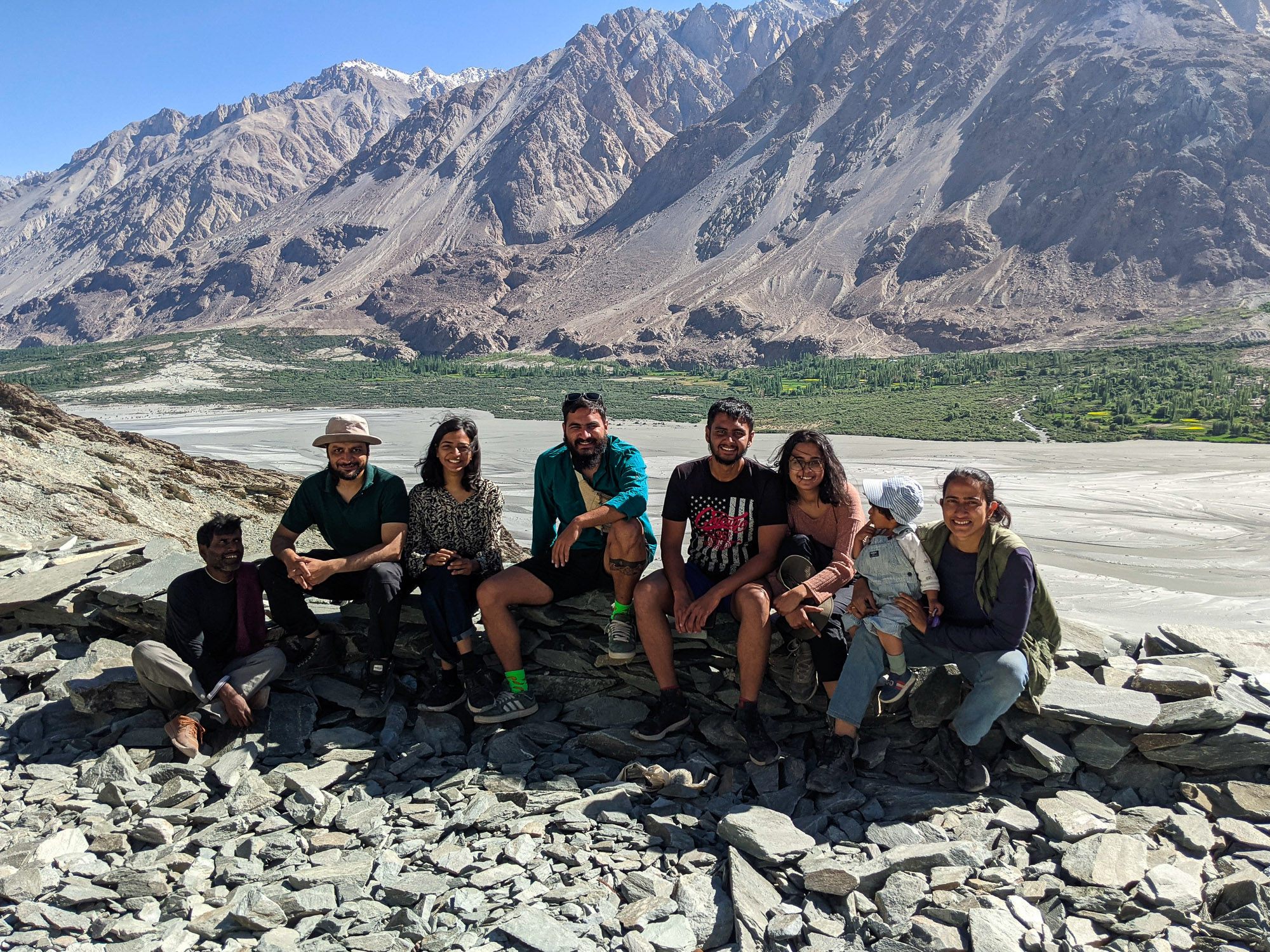
FK: It is a continuous effort. It is not a break. When we go to Ahmedabad, it is not that we are taking a break and then coming back. We are always in that process. It is a loop that keeps happening, and then there are intervals where you actually relax, because working 6-7 months continuously in Ladakh is very site intensive.
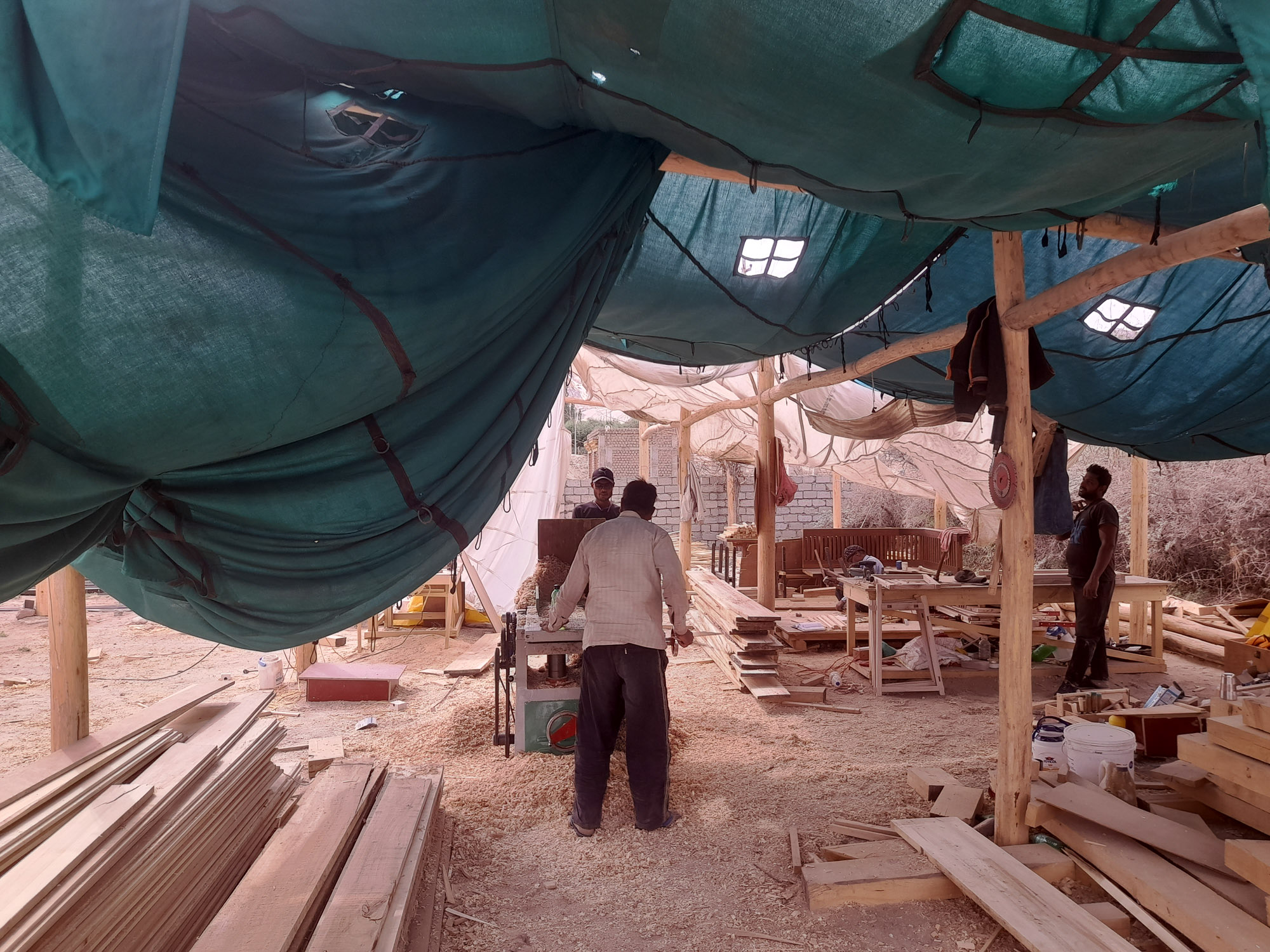
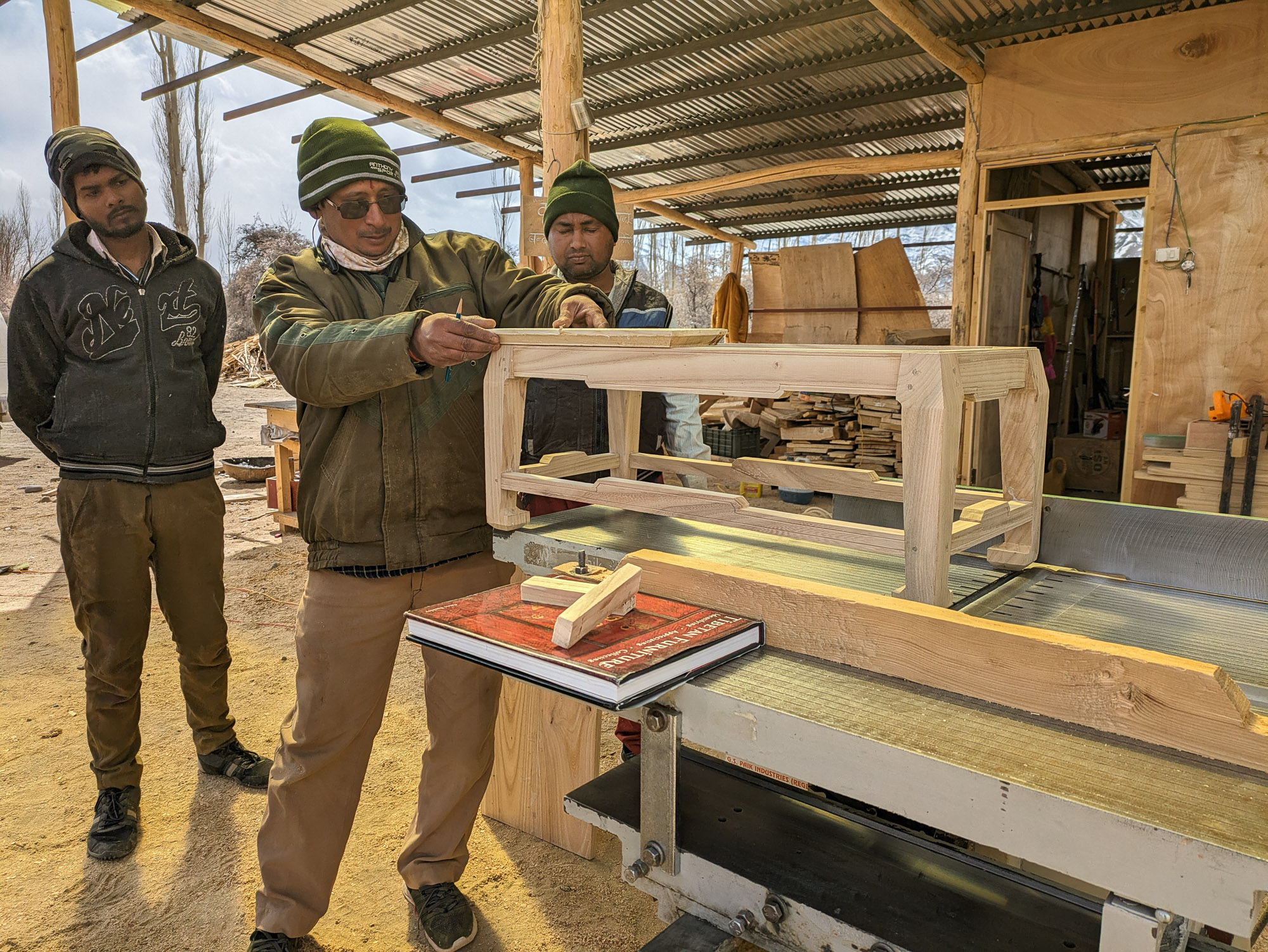
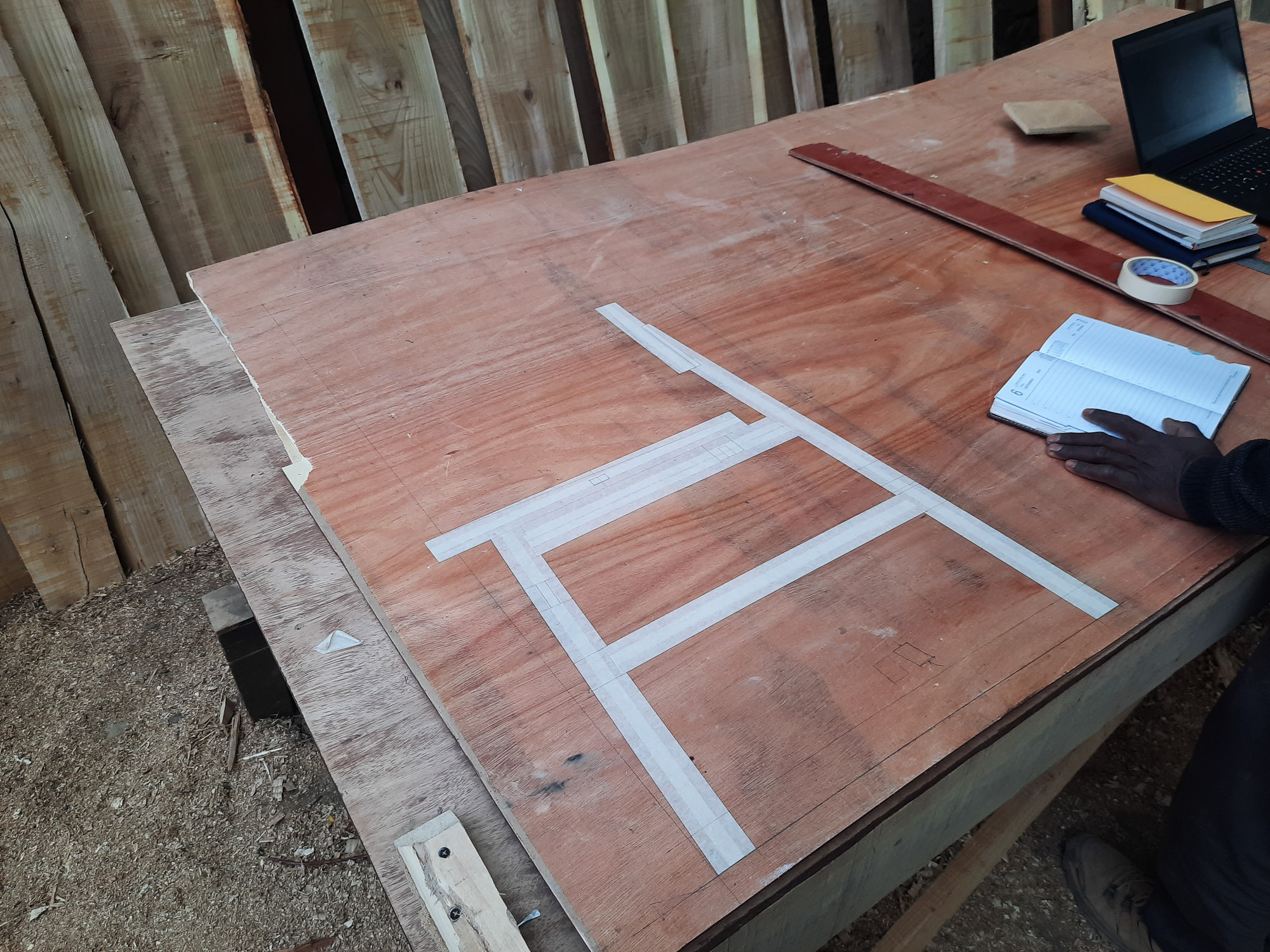
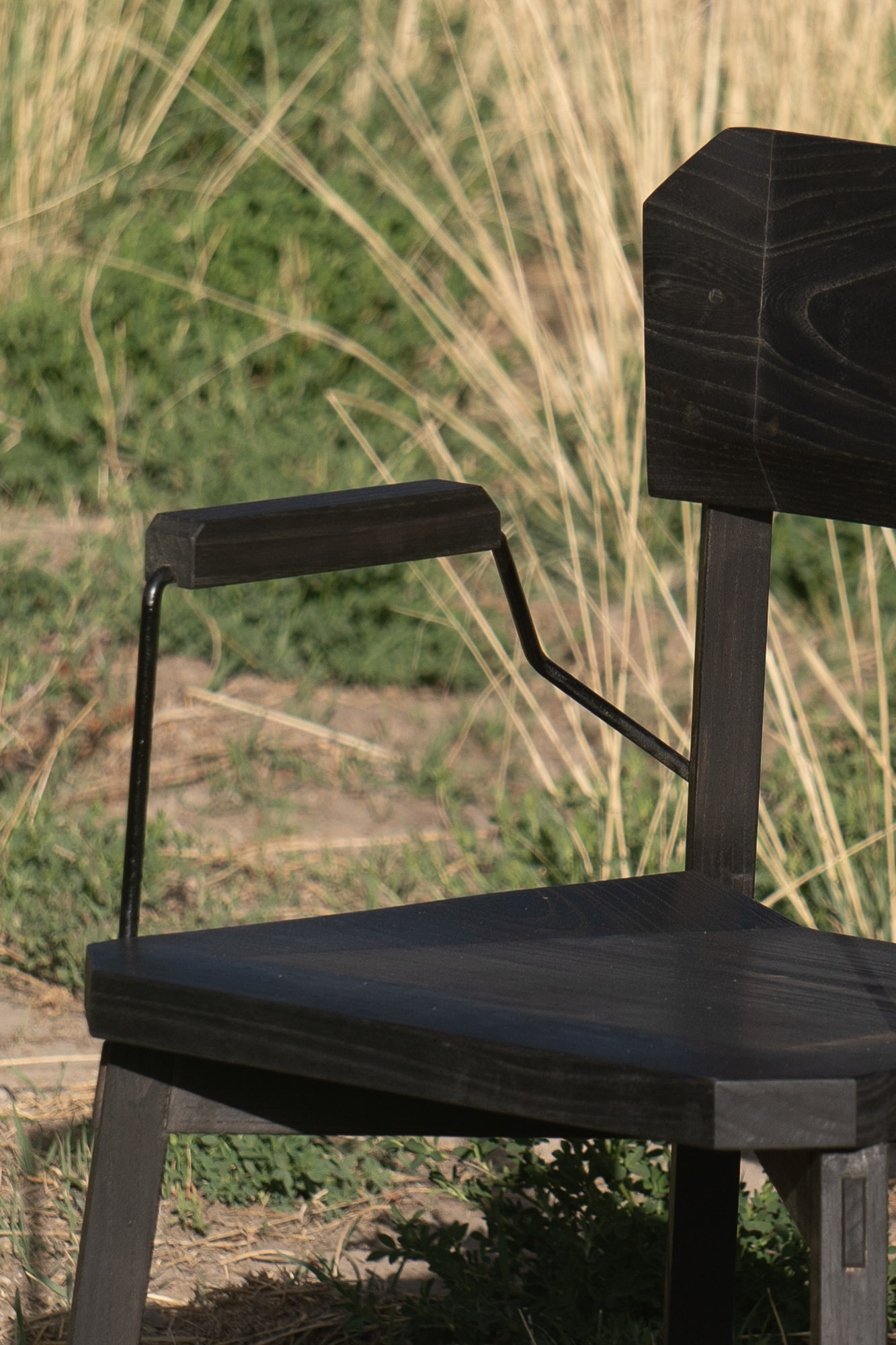
SP: We also have this practice where we are not only involved in design but also in building the projects. As part of that, we have a small workshop where we have craftspeople and carpenters working alongside us on the projects whenever required, together with the rest of the team.
FK: There we can further do our own research and development, develop details, and also get into products and furniture, which has always been part of our background and something we wanted to develop further.
PROCESS
<00:34:32>
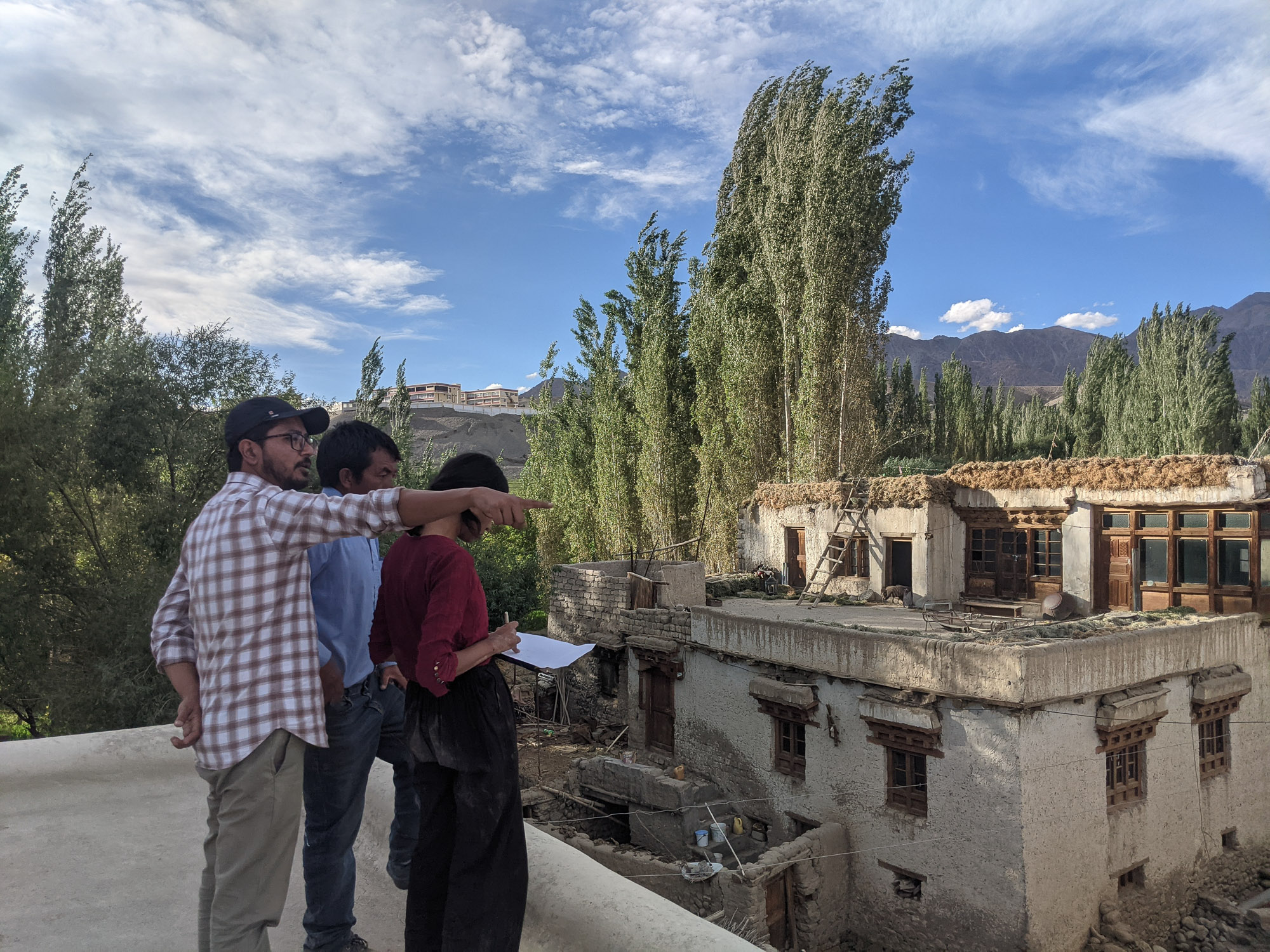
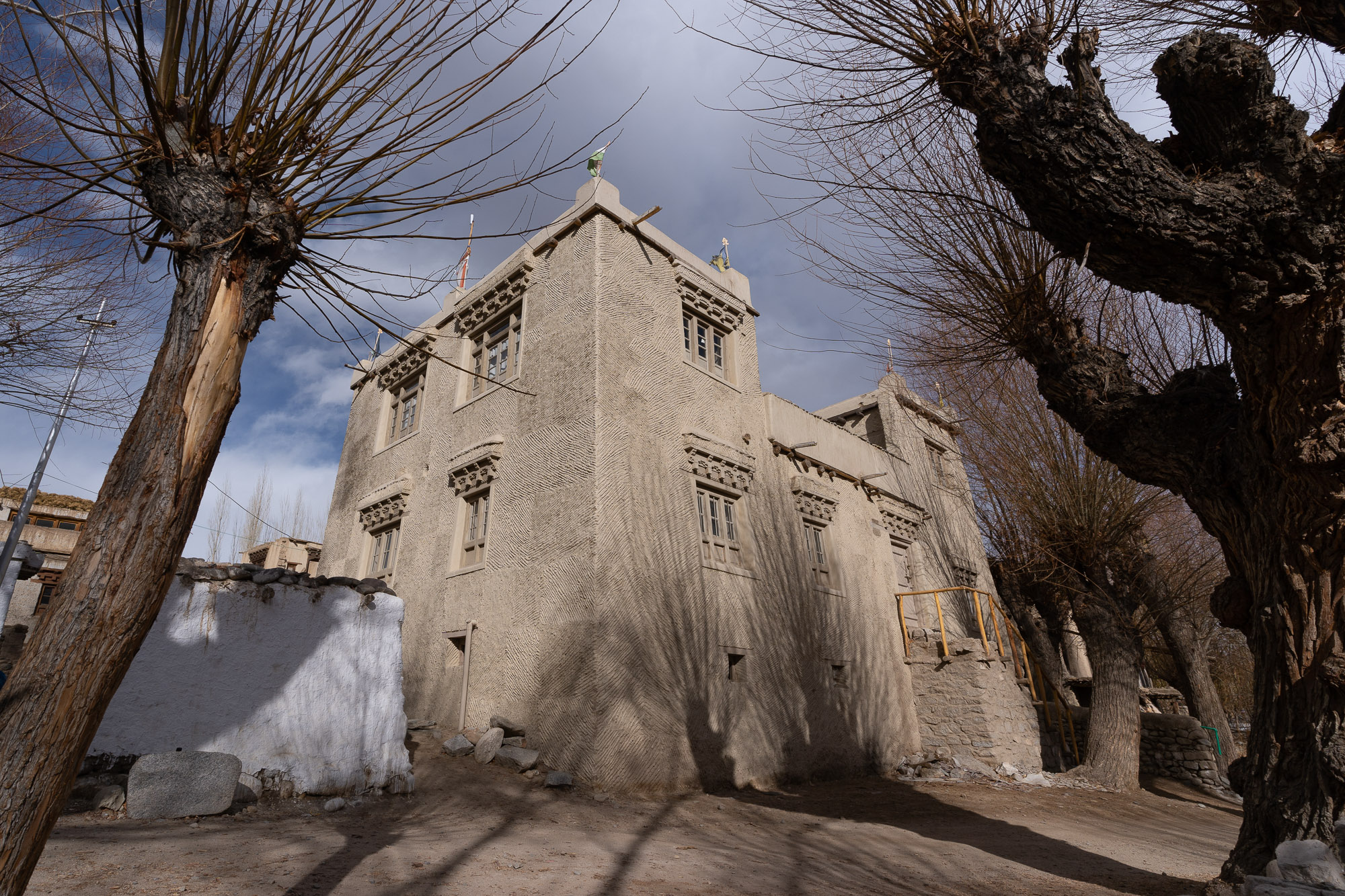
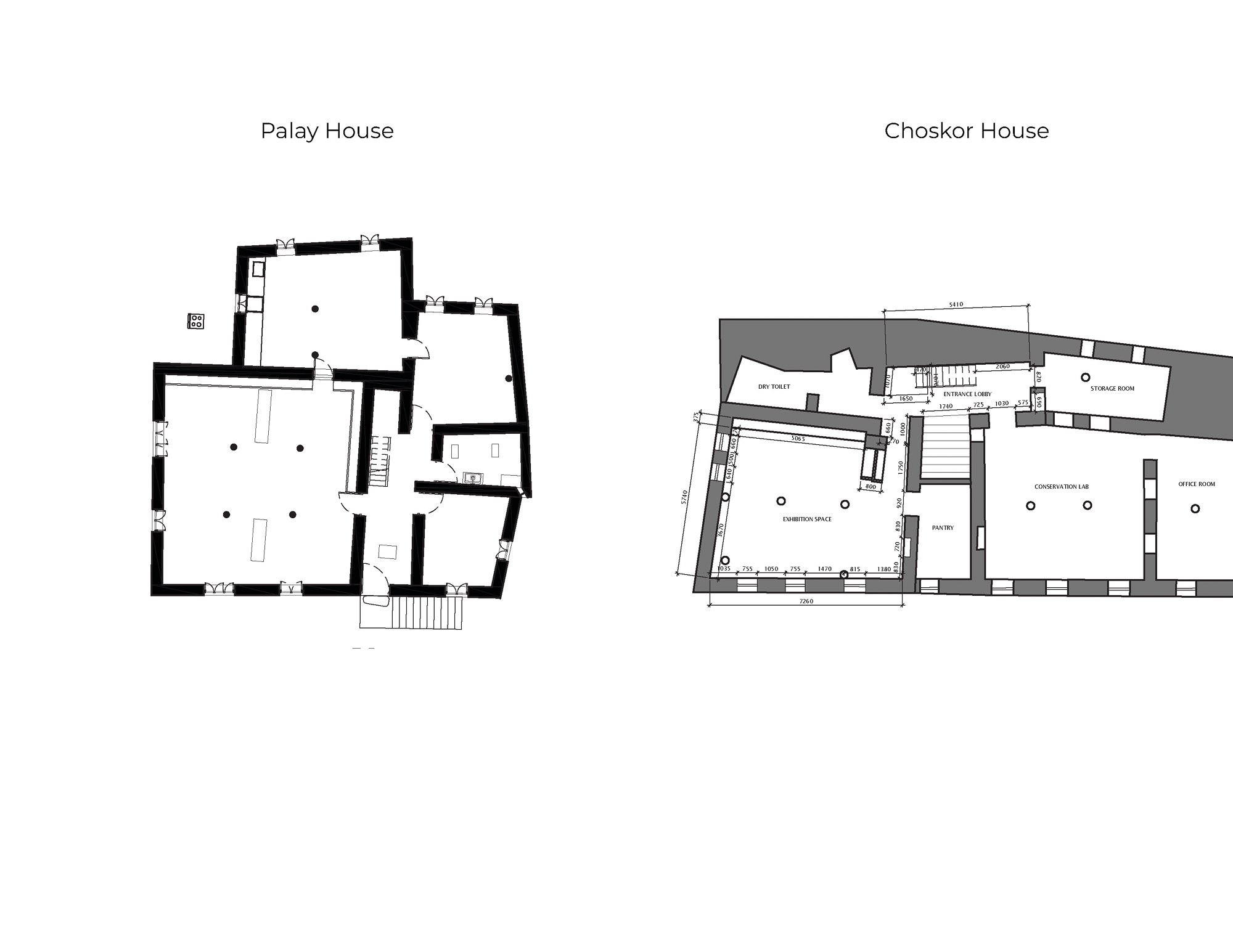
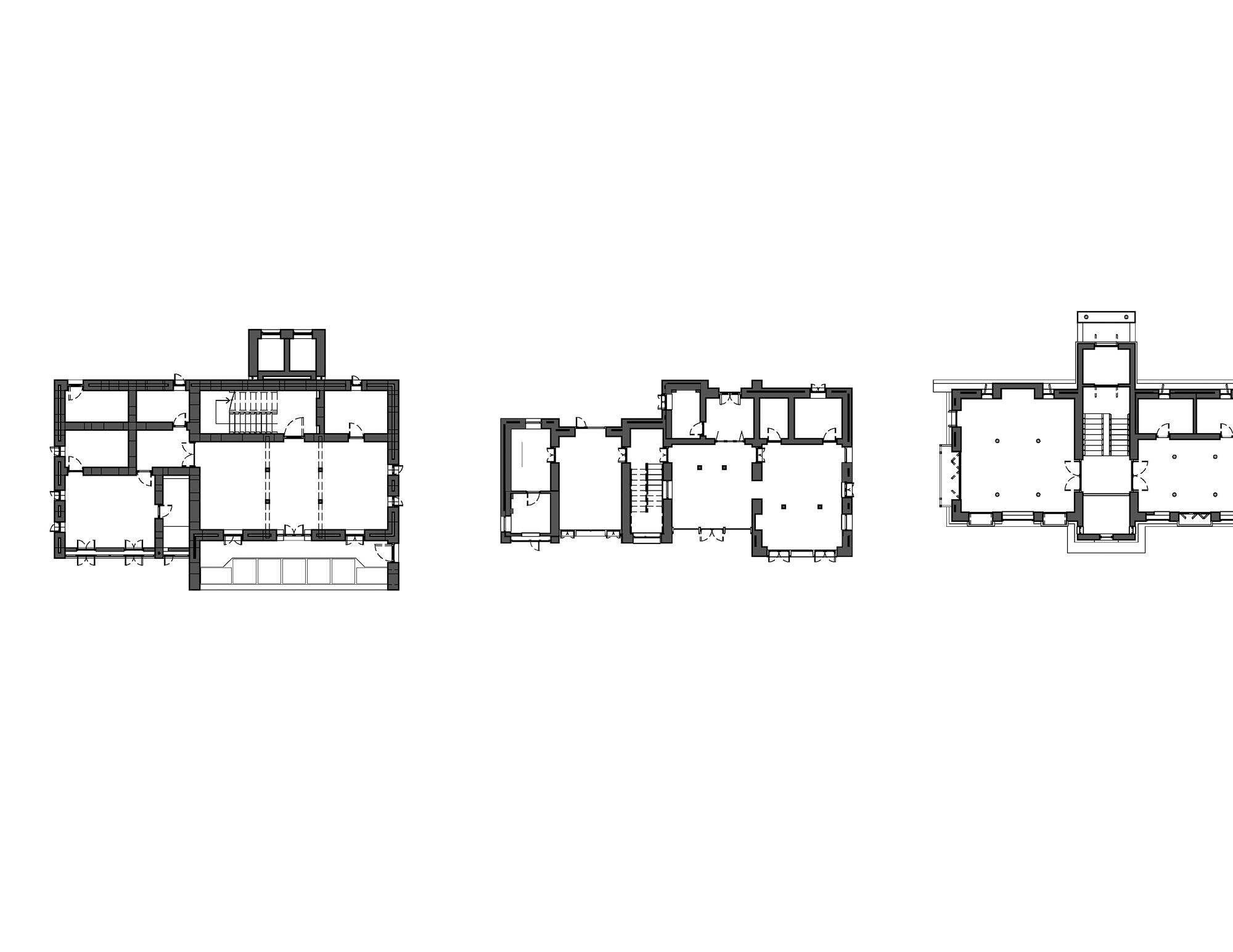
FK: We got introduced by Abeer Gupta to ACHI Association India, which has a long list of conservation projects with esteemed experts. They have been working for the past 15 to 20 years, mostly in very remote locations. With them, we worked on our first conservation project, which was the Choskor House in the main market, and it was converted into an art conservation laboratory. The second project was the Palay House, which is like the headquarters of ACHI, and is now situated in Phey.
When we were simultaneously working on these projects, the layer of conservation and adaptive reuse also entered the practice.
On one hand, you are working on contemporary or aspiration-based projects for clients, and on the other hand you are also introduced to the conservation of certain buildings and their adaptive reuse.
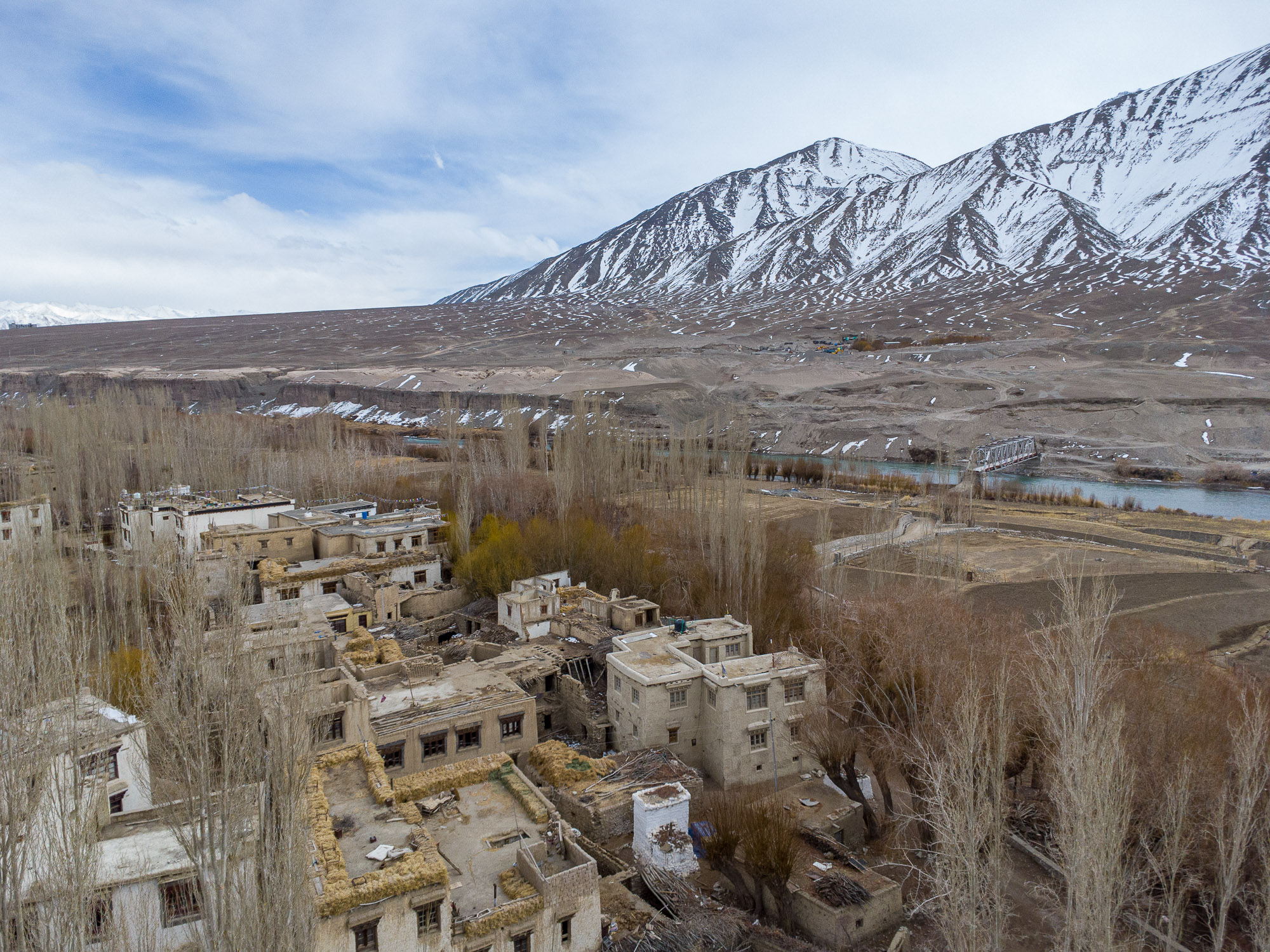
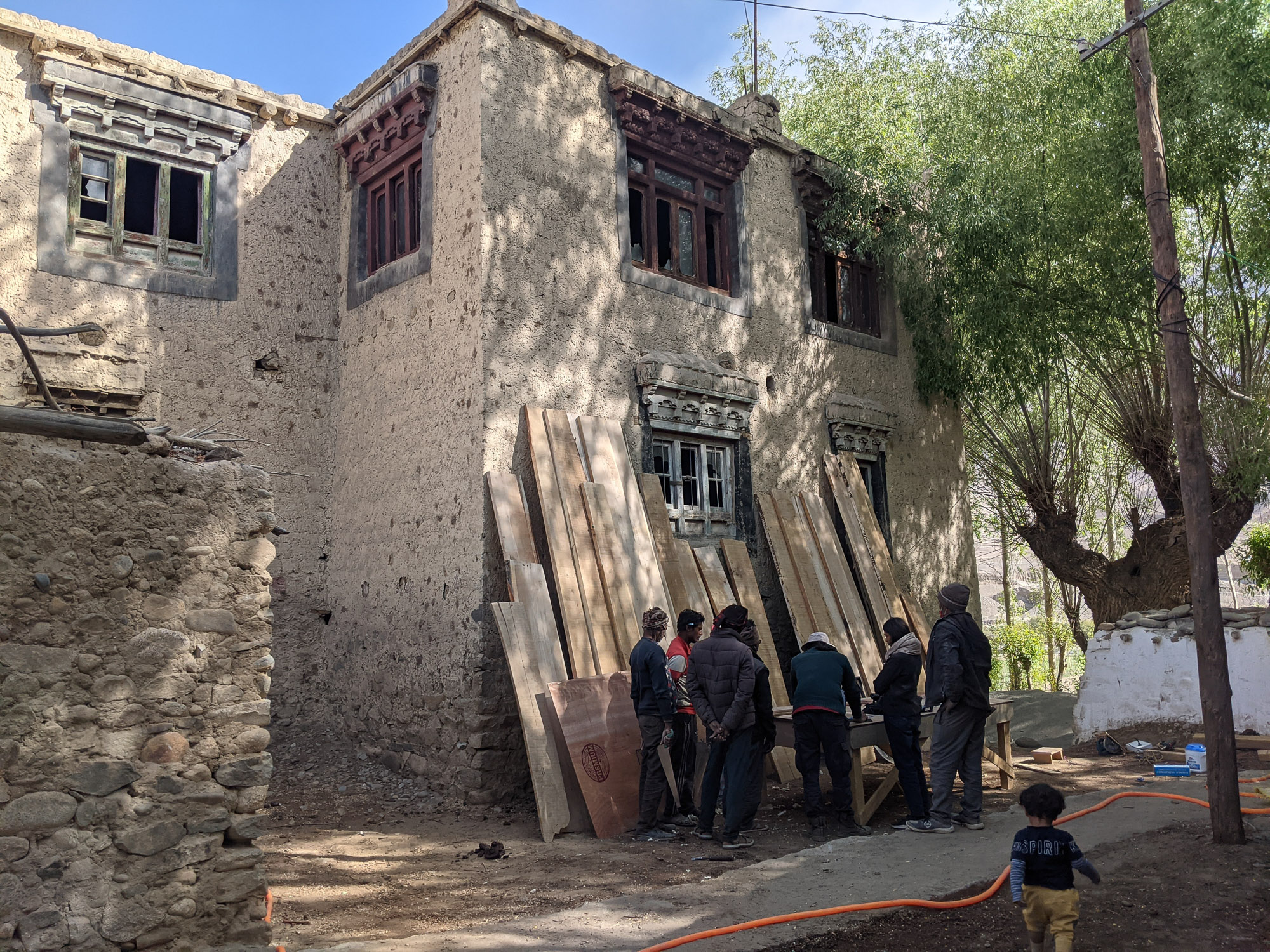
SP: How we design a particular project is that the process goes through a certain set of analysis and observations that lie within the context?
If we speak in a broader sense about how we observe these things, we look at the forms that are already present here, whether it is the battering walls, the organically-shaped farms that resemble a cellular geometry, or the certain orthogonal manner in which the roof structures are formed.
The layout has a very significant cultural reference. The idea of lifestyle often comes from the layout, or sometimes works the other way around. When you are custom designing, when you are designing a bespoke space rather than a commercial 1BHK, 2BHK, or a fifty-room hotel, the layout of the spaces you design has a strong influence on the way they are inhabited, the kind of people who inhabit them, and the kind of lifestyle they carry out.
Through all of these aspects, what we realise is that different interdisciplinary systems begin to come together, weaving multiple knowledge systems into the process.
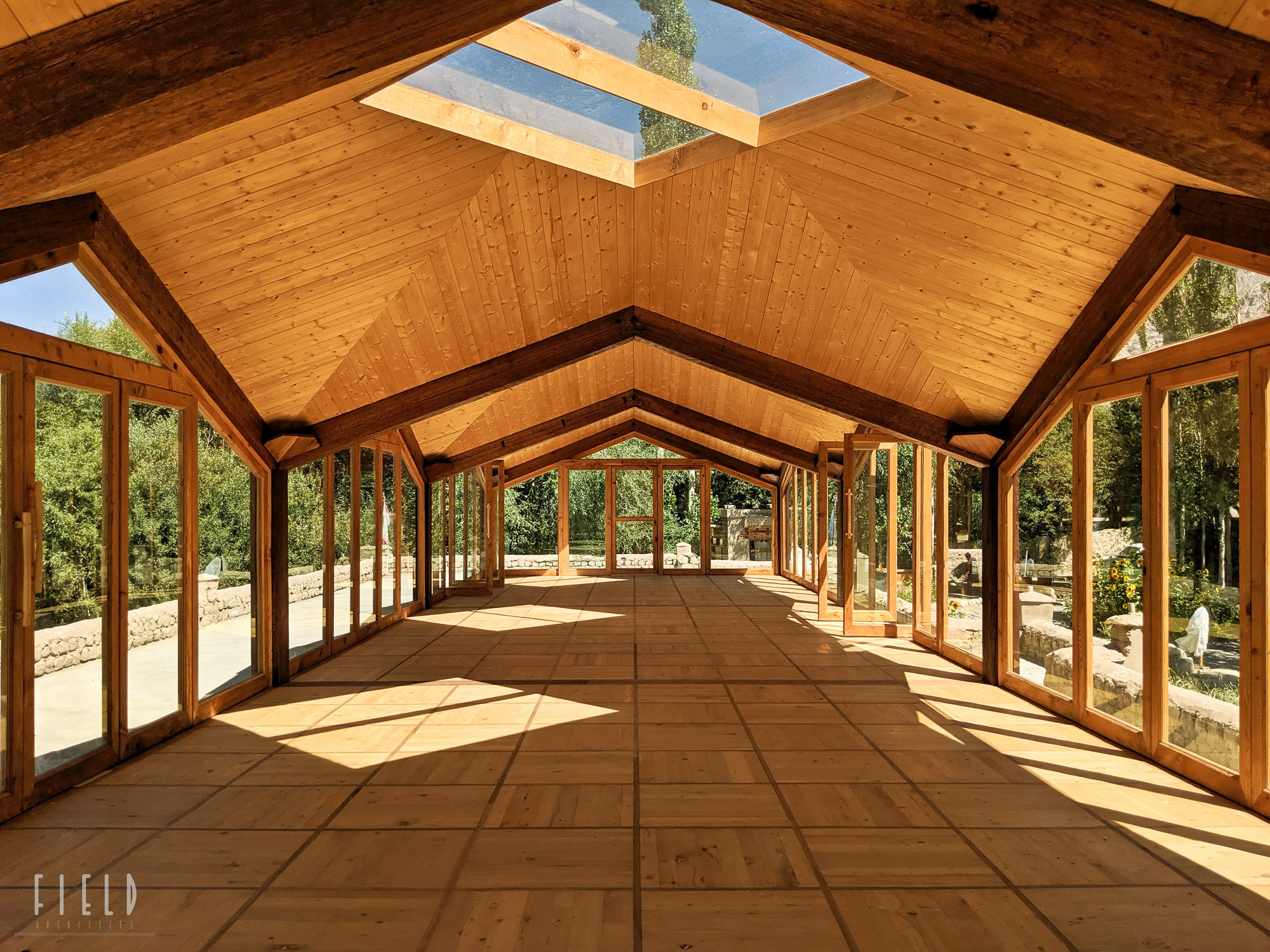
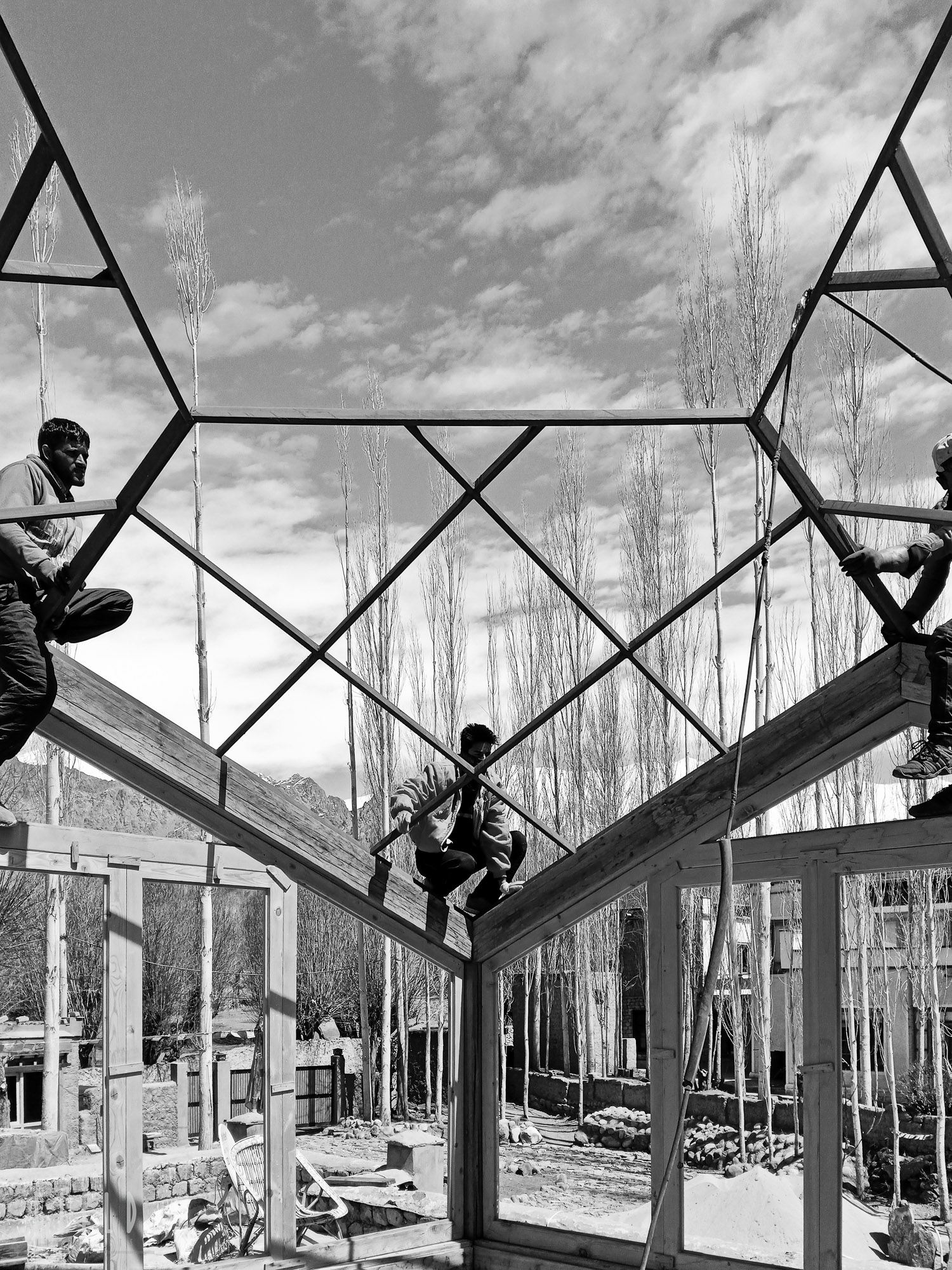
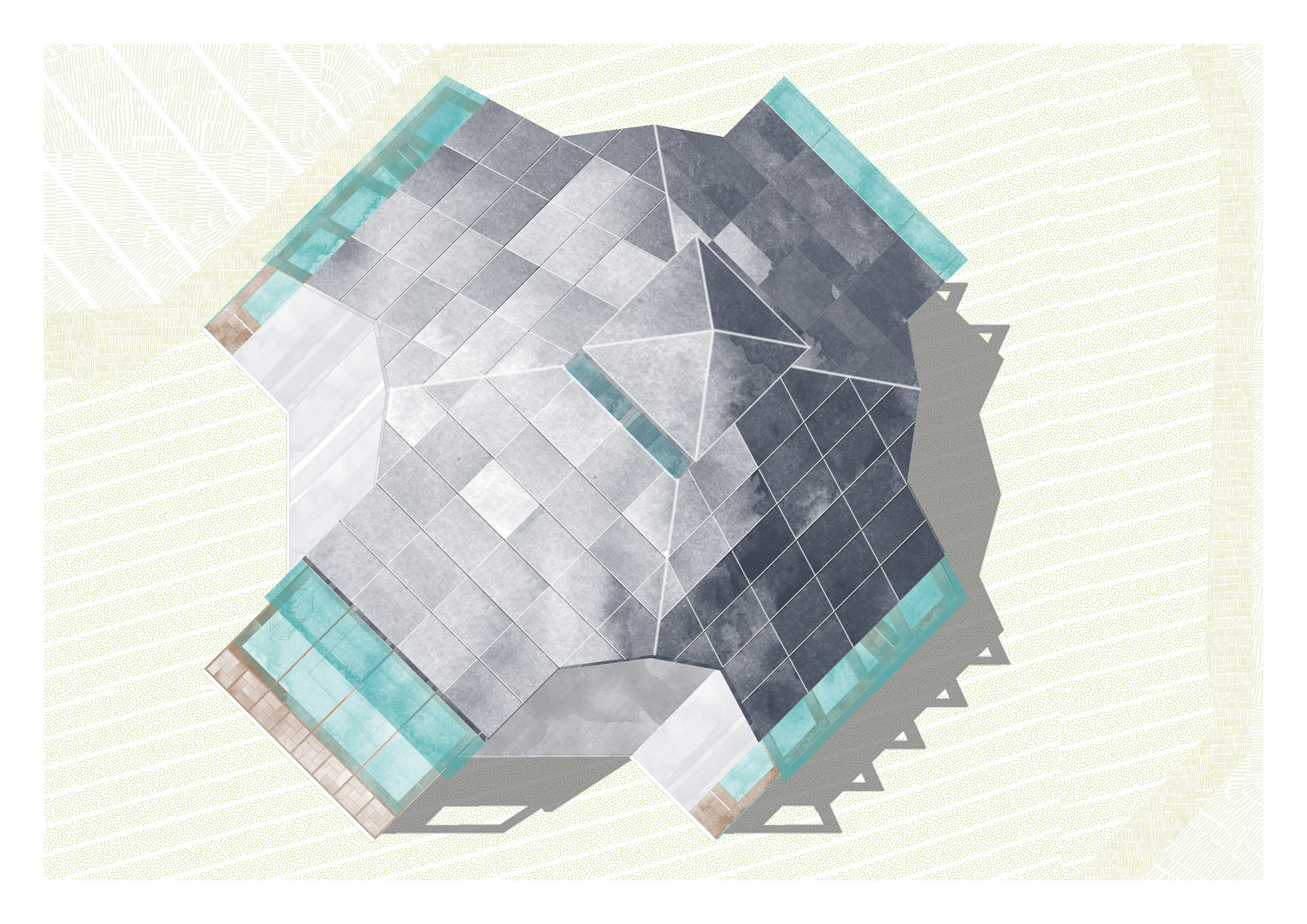
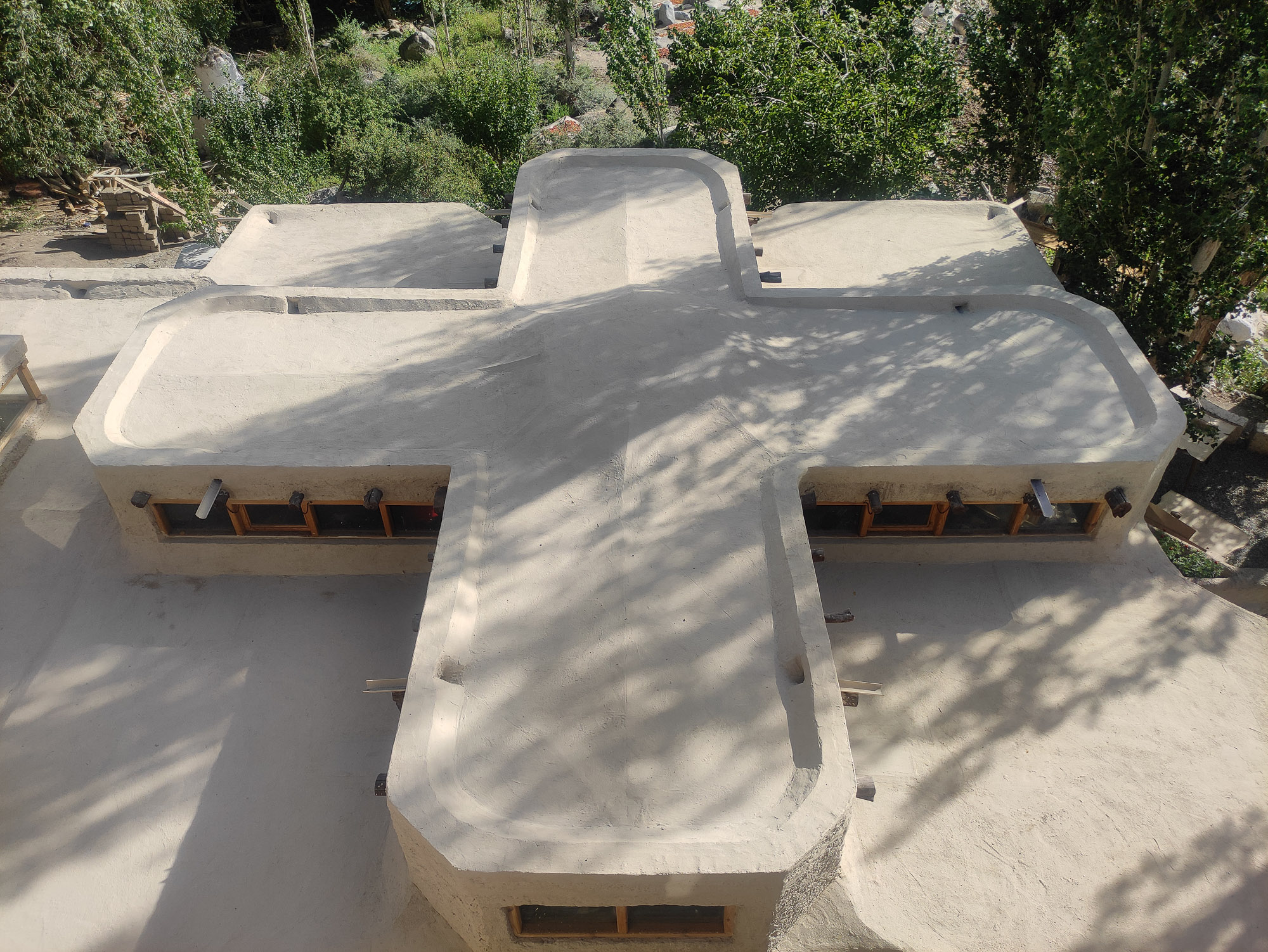
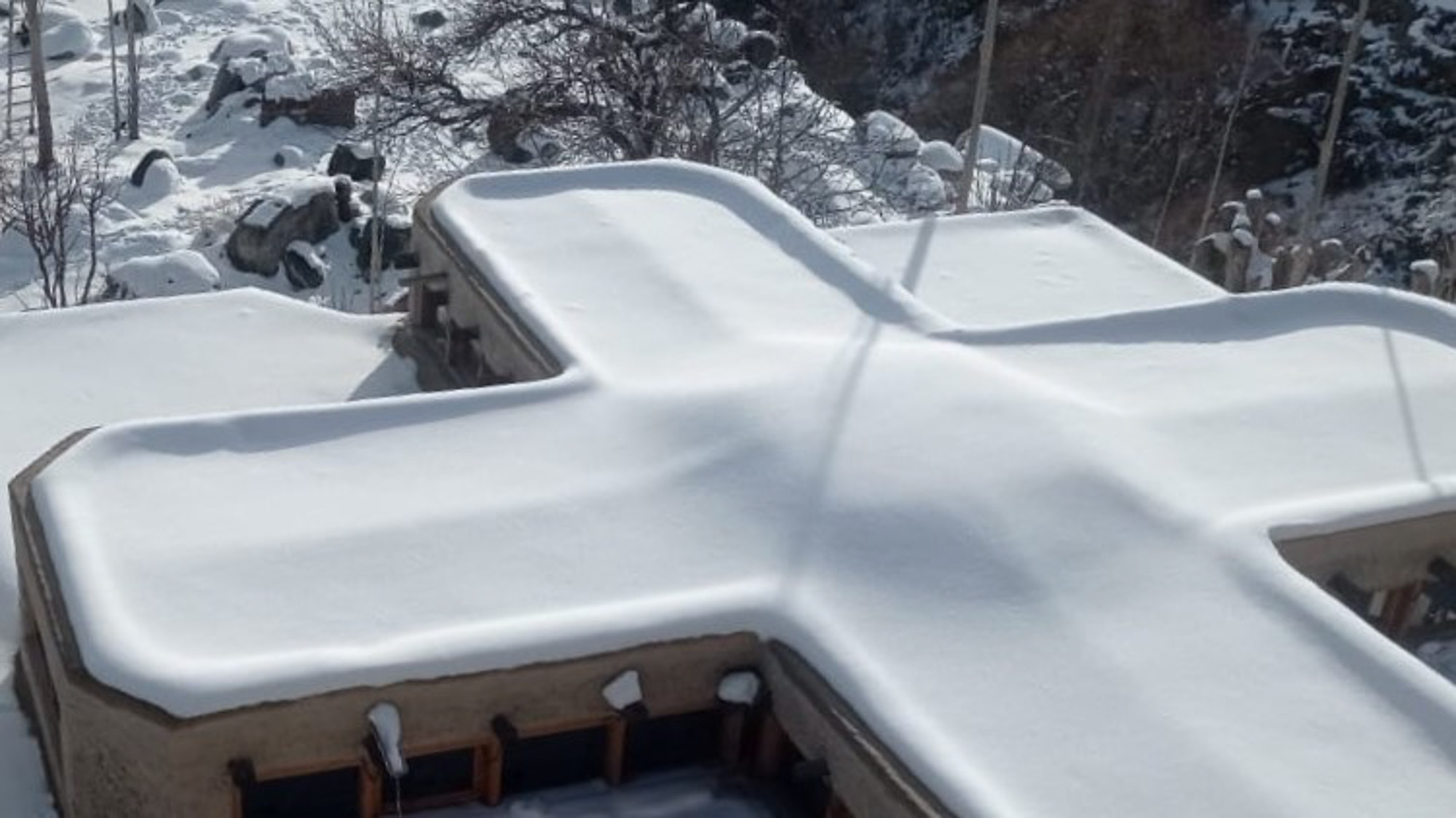
SP: If we address the design of the Saspol Pavilion, one of our projects, it is actually an extension to a heritage hotel (Moljoks Heritage House) that was well conserved by the conservation architect John Harrison a few years back. It is currently being run as a boutique heritage hotel. As an extension to that campus or retreat, what we designed was a restaurant pavilion.
The question then was why should it be a pavilion. It could have been designed as a restaurant in a conventional manner. But we started thinking about how different kinds of spaces influence the architecture and the design. At first, the idea of a pavilion may not seem very directly relatable to the context. A geometric pavilion, to be honest, may feel quite different. But when we looked closely, it actually related strongly to the idea of a Ladakhi house. The incremental nature of these houses dictates the way the structural systems evolve. Even the layout of the house is shaped by this incremental process. In that sense, the pavilion became a way to translate that idea into the design.
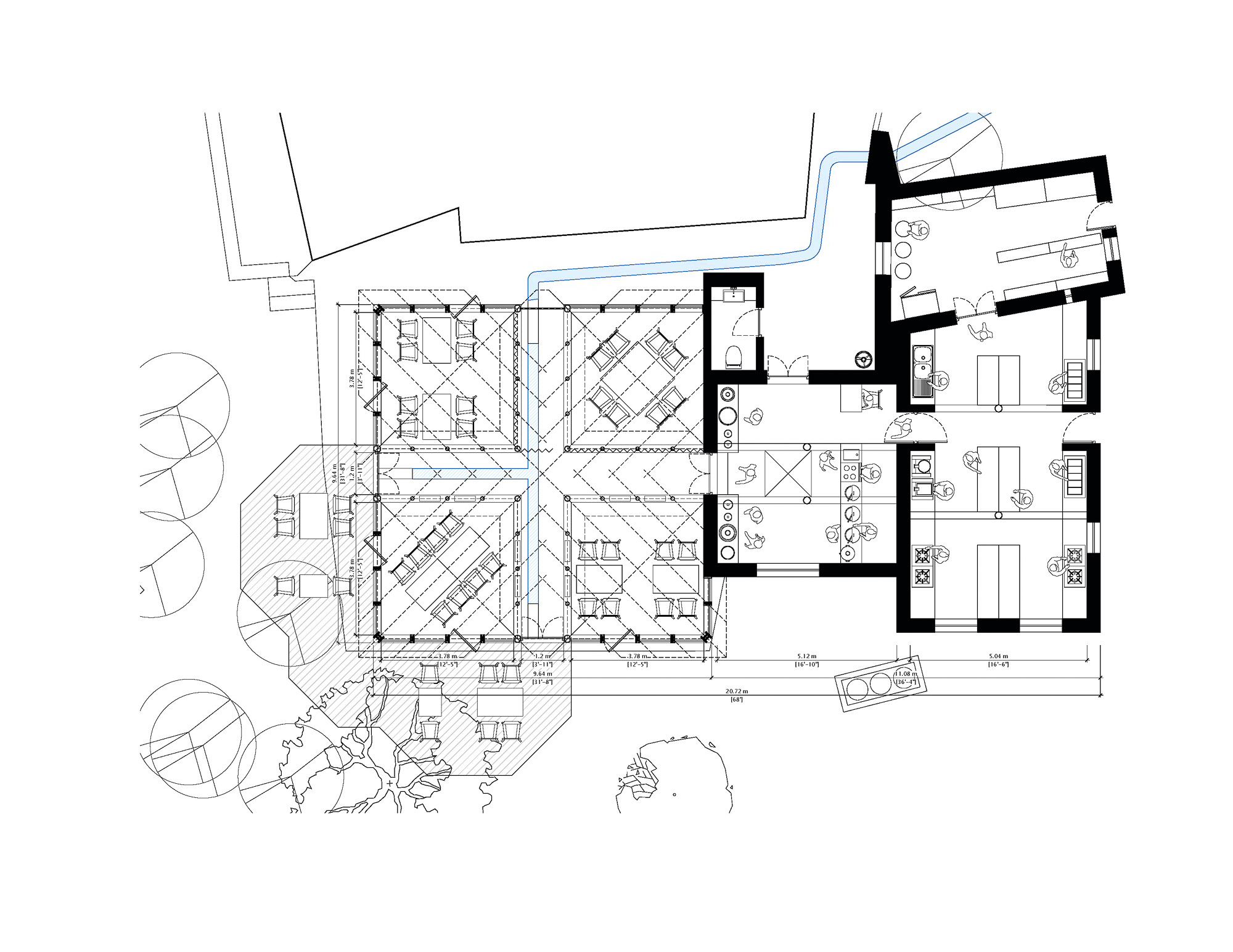
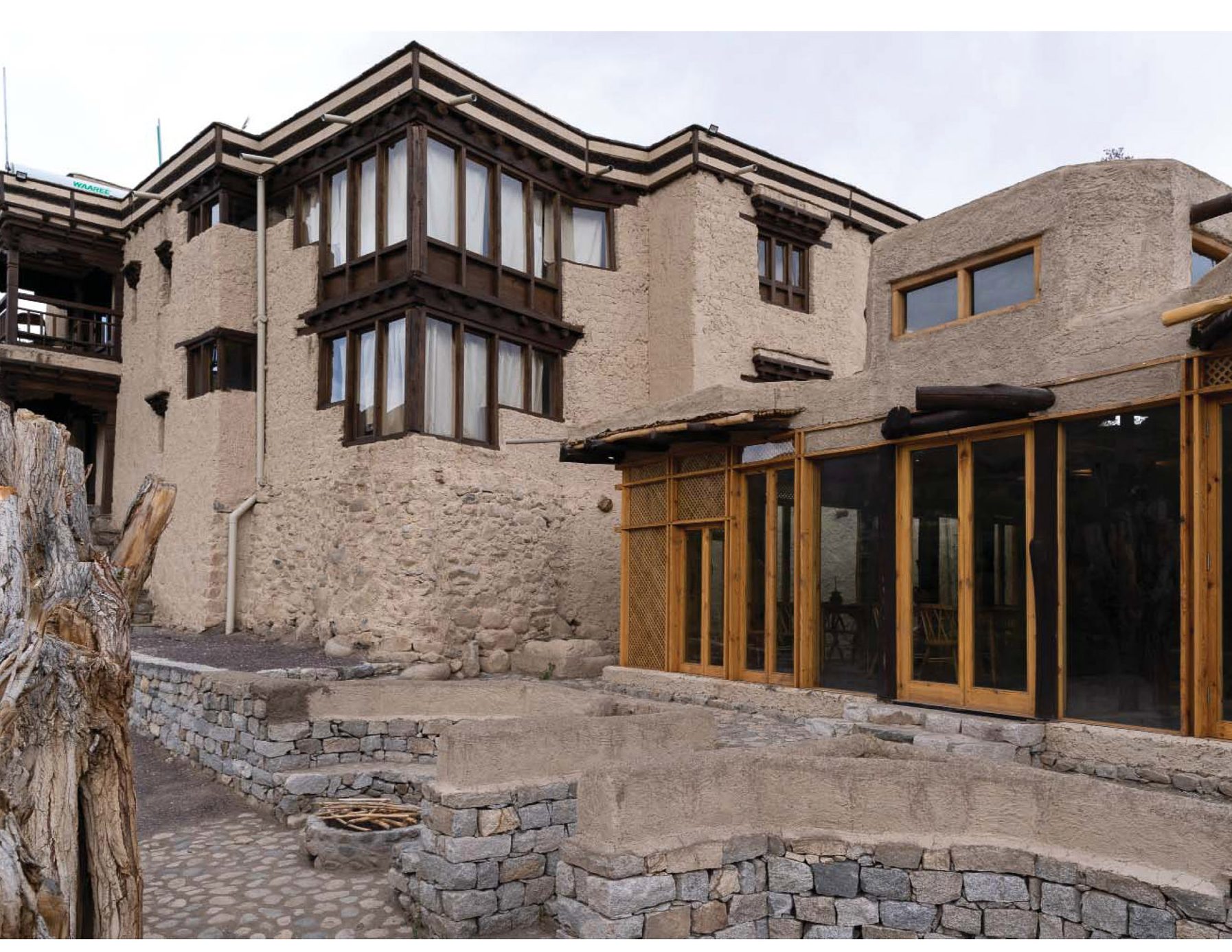
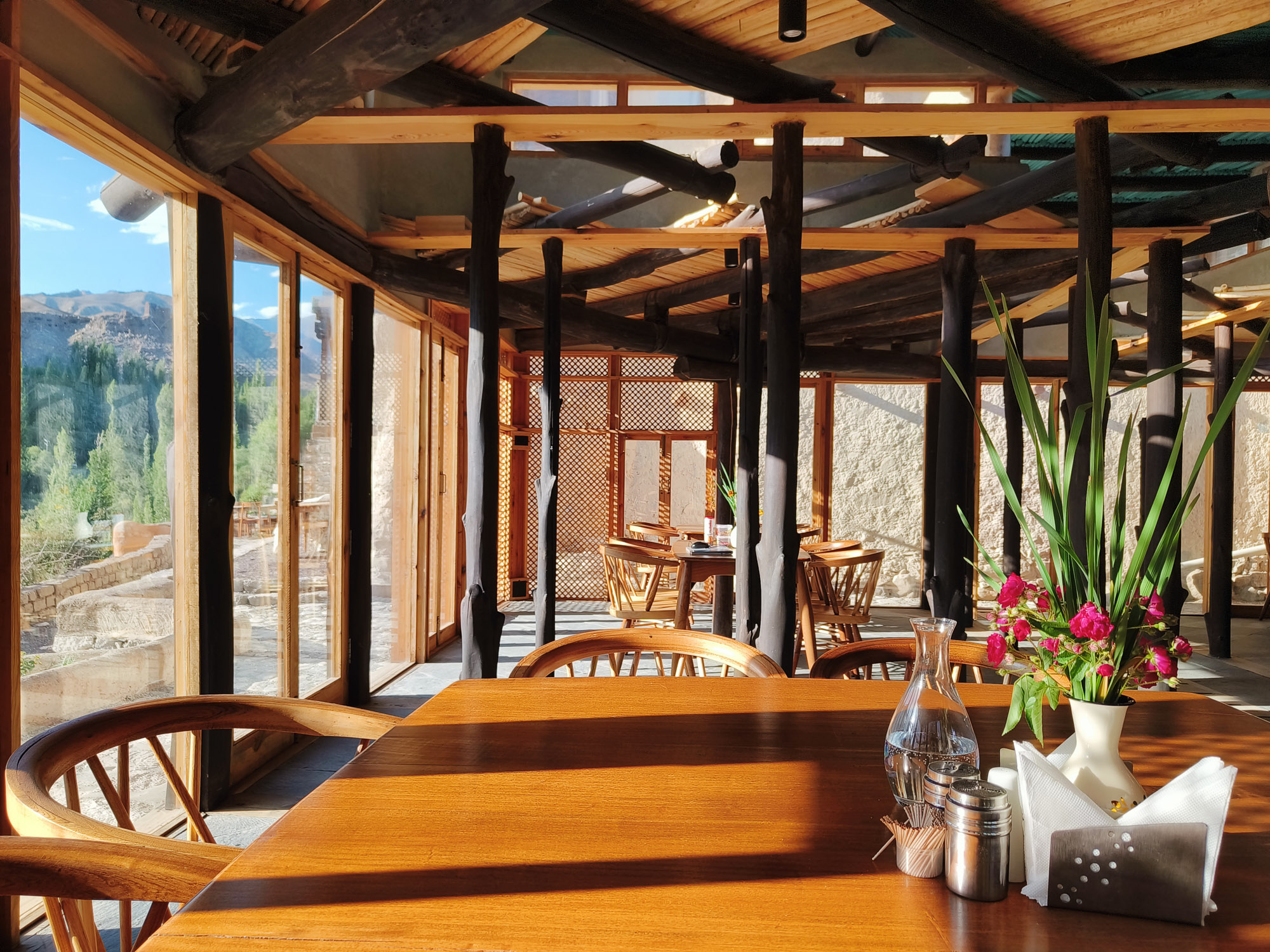
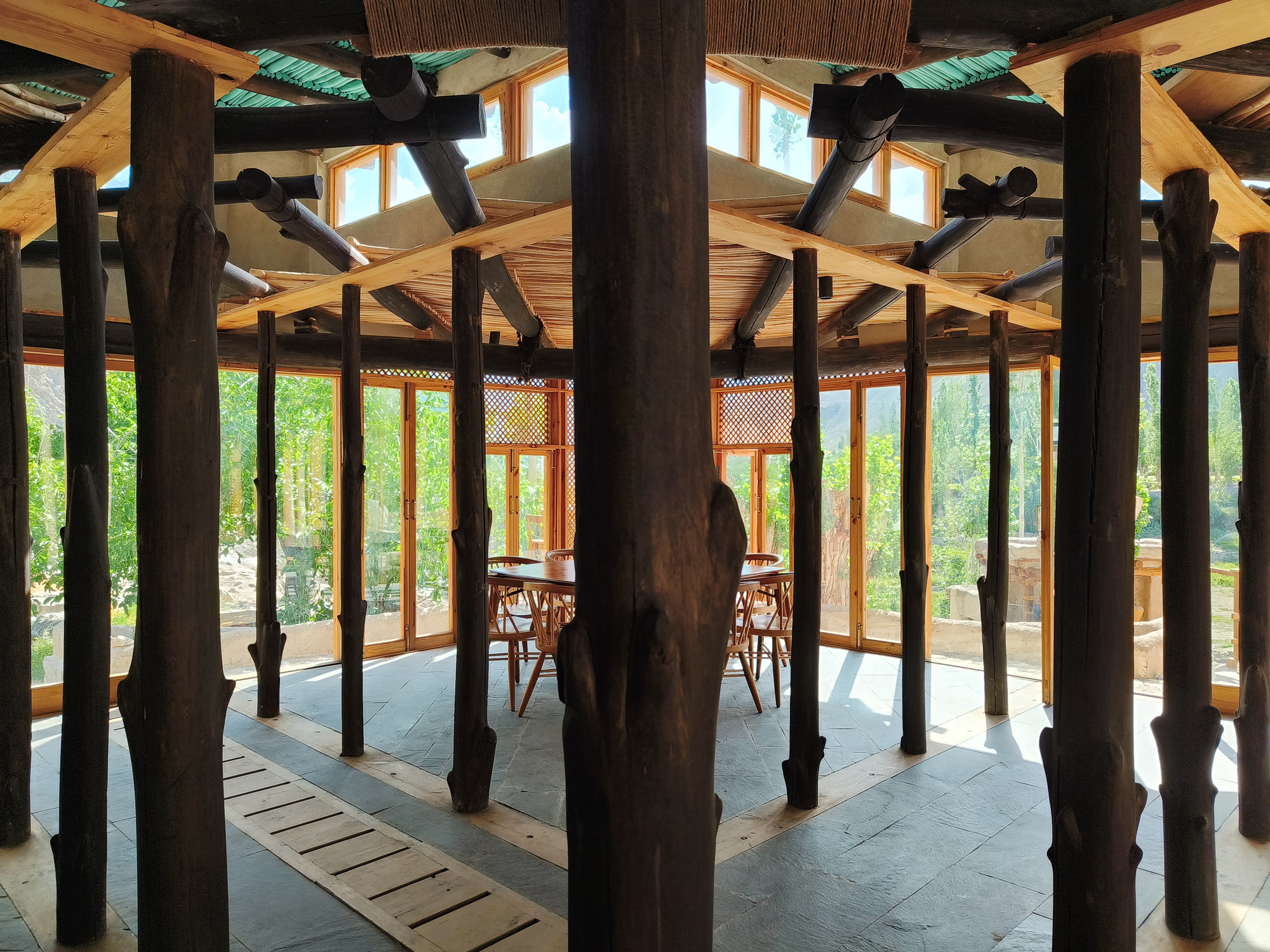
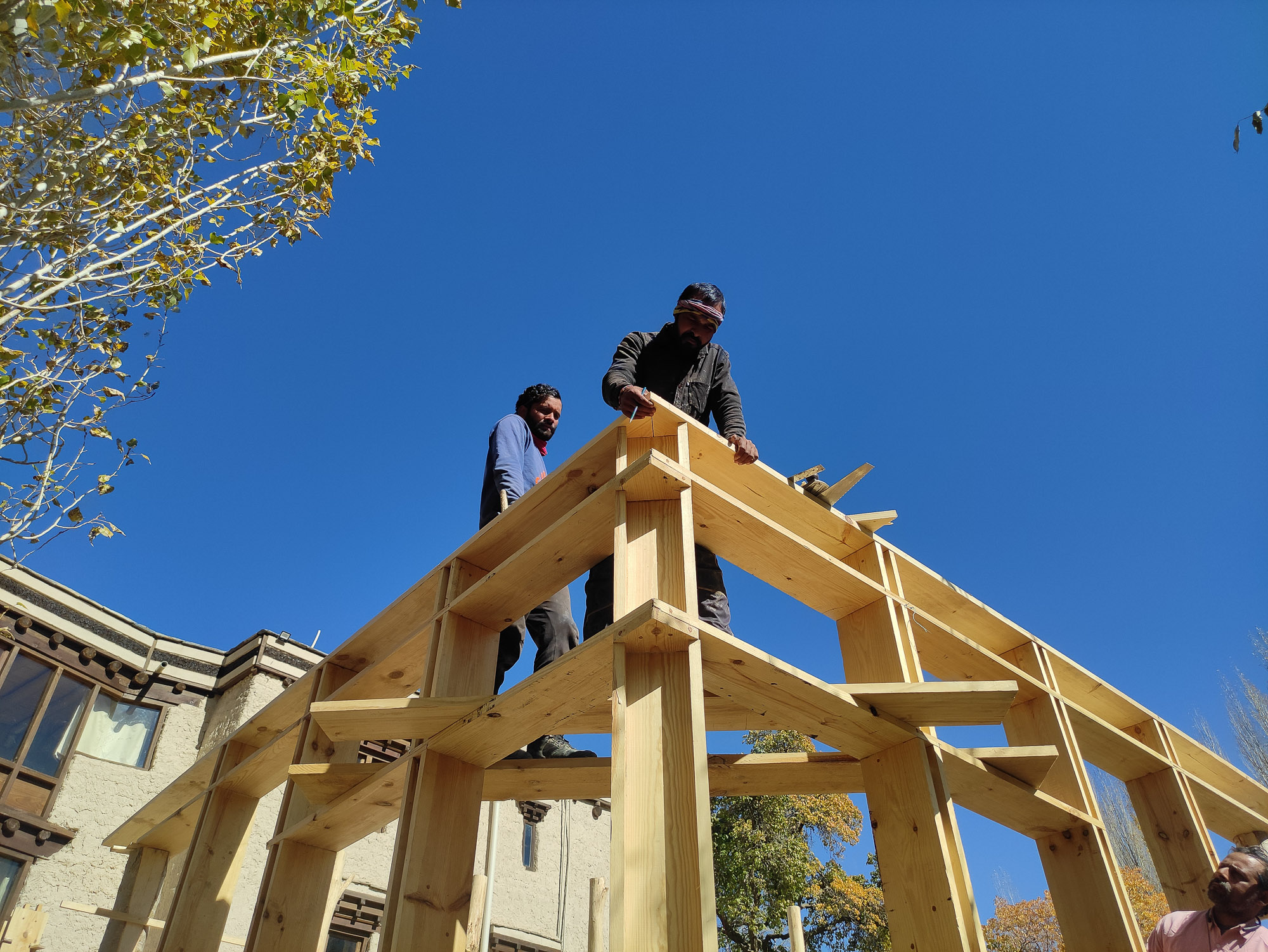
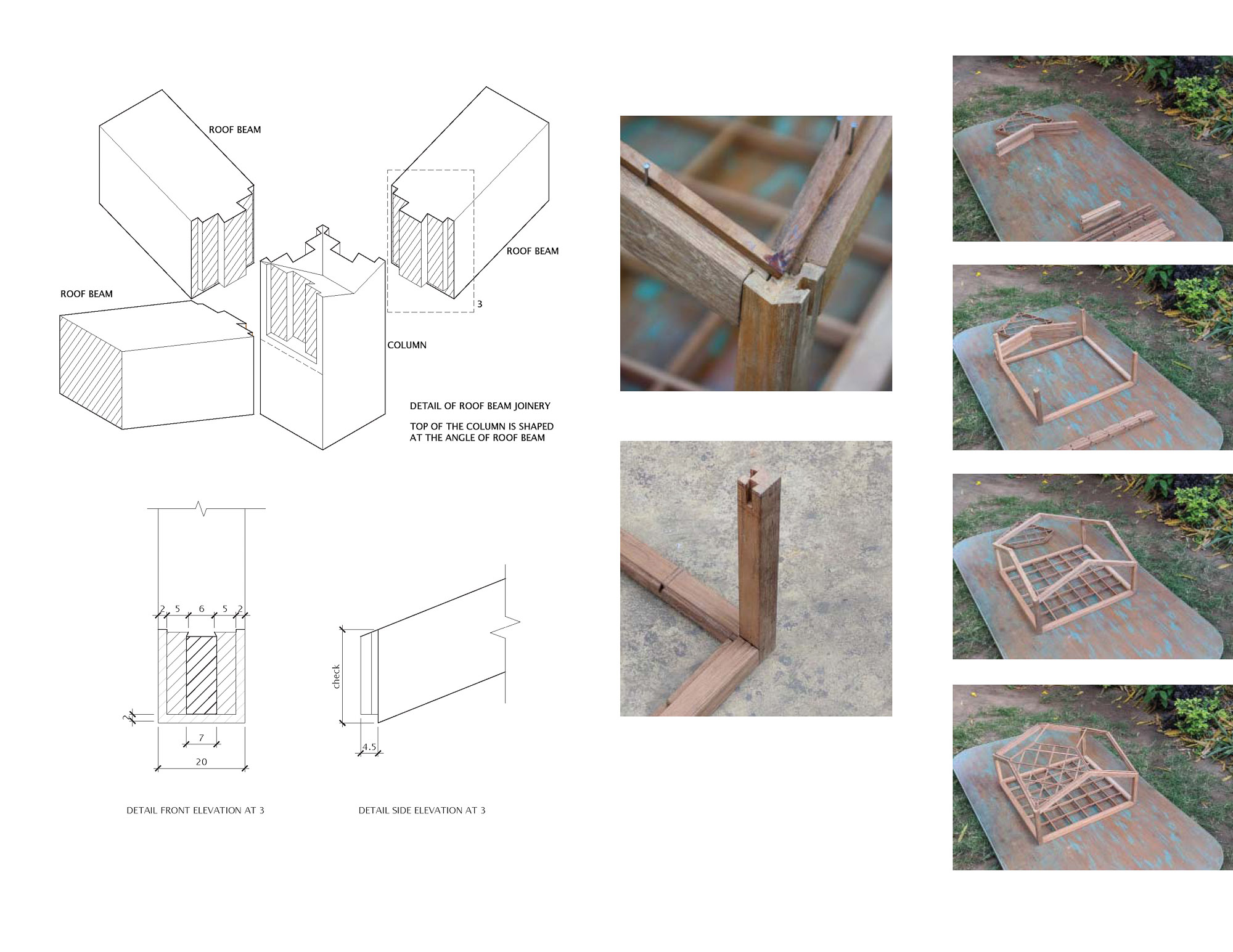
The idea was to interlace four quadrants of this pavilion. Through that, we introduced a diagonal roofing system, which was quite unprecedented. In this system, smaller beams and longer beams are cut from different parts of the same poplar trunk, allowing almost no wastage of the material.
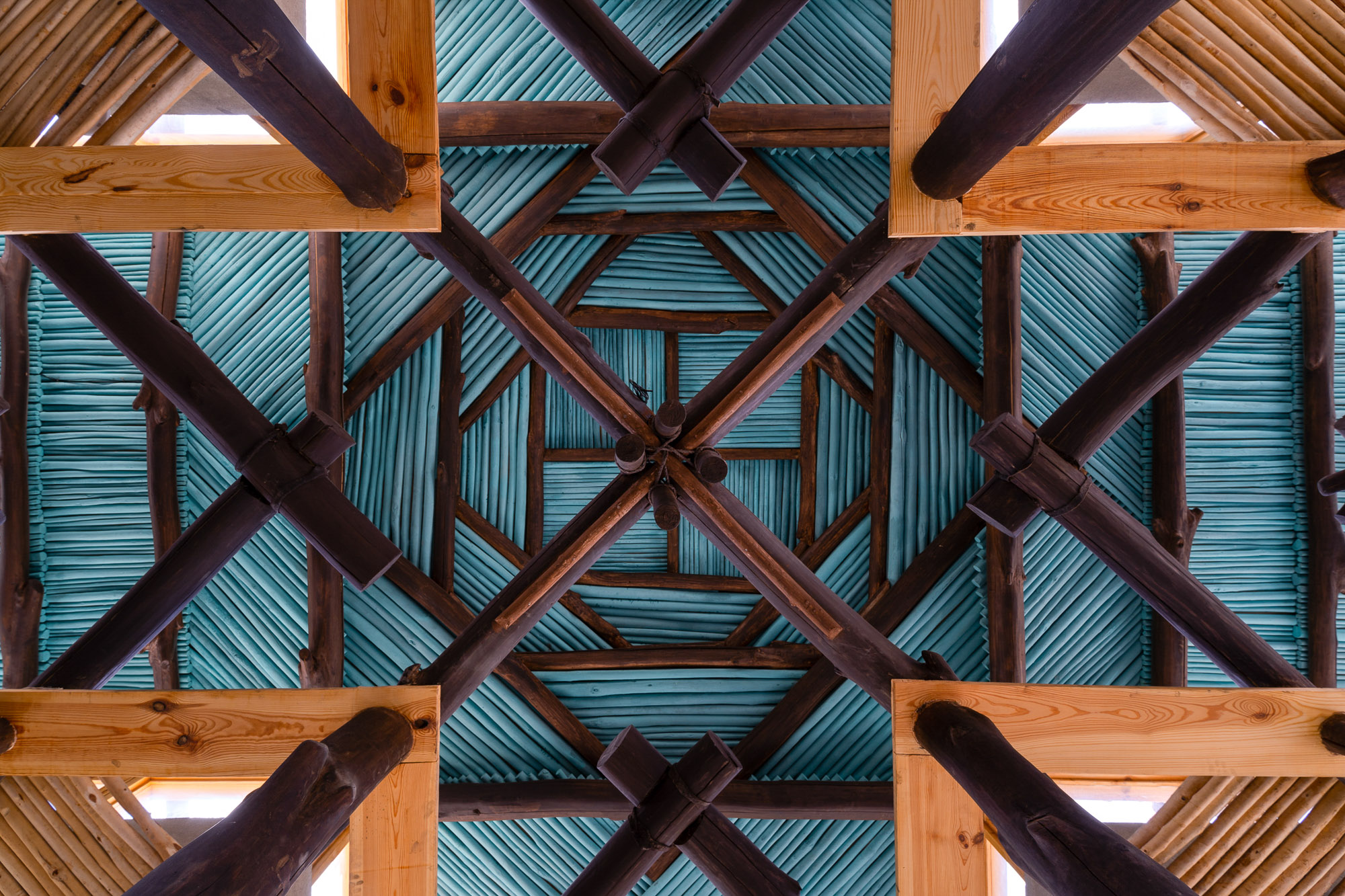
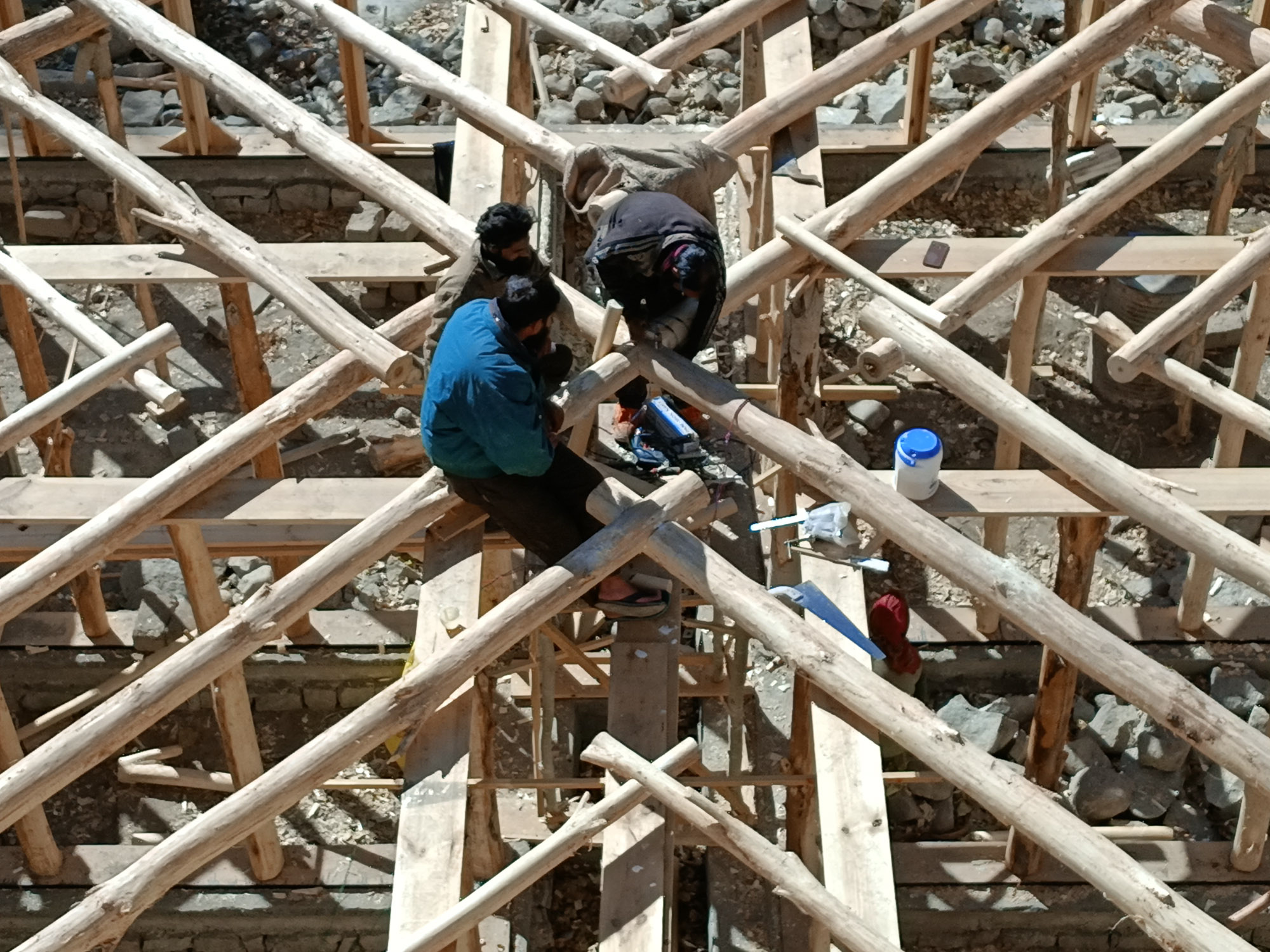
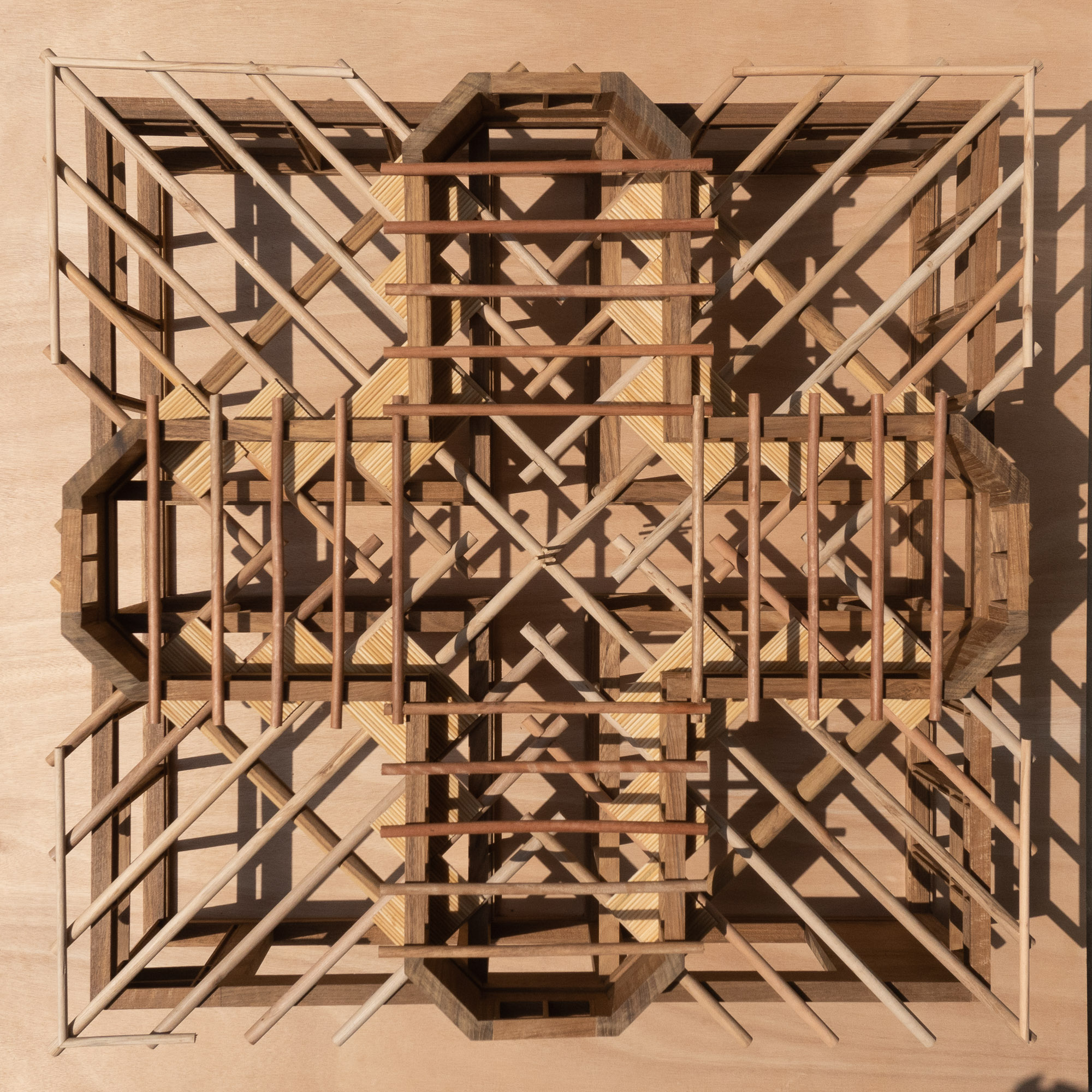
There is also a certain overlap with the geometry and the knowledge systems of the past and the present within the context. All of these aspects come together to create the experience of an interlaced structure. The idea also comes from the notion of fabric itself, how you weave a fabric together. In a similar way, the structure here is woven rather than stacked. Instead of the roofing system being stacked together, it becomes woven together. Because of this, the four quadrants of the pavilion do not stand individually but stand collectively. This approach is quite unprecedented, but it is also feasible considering the material usage that we were working with.
FK: When we talk about the process, the design, and the structure, the layout becomes a very important part of it.
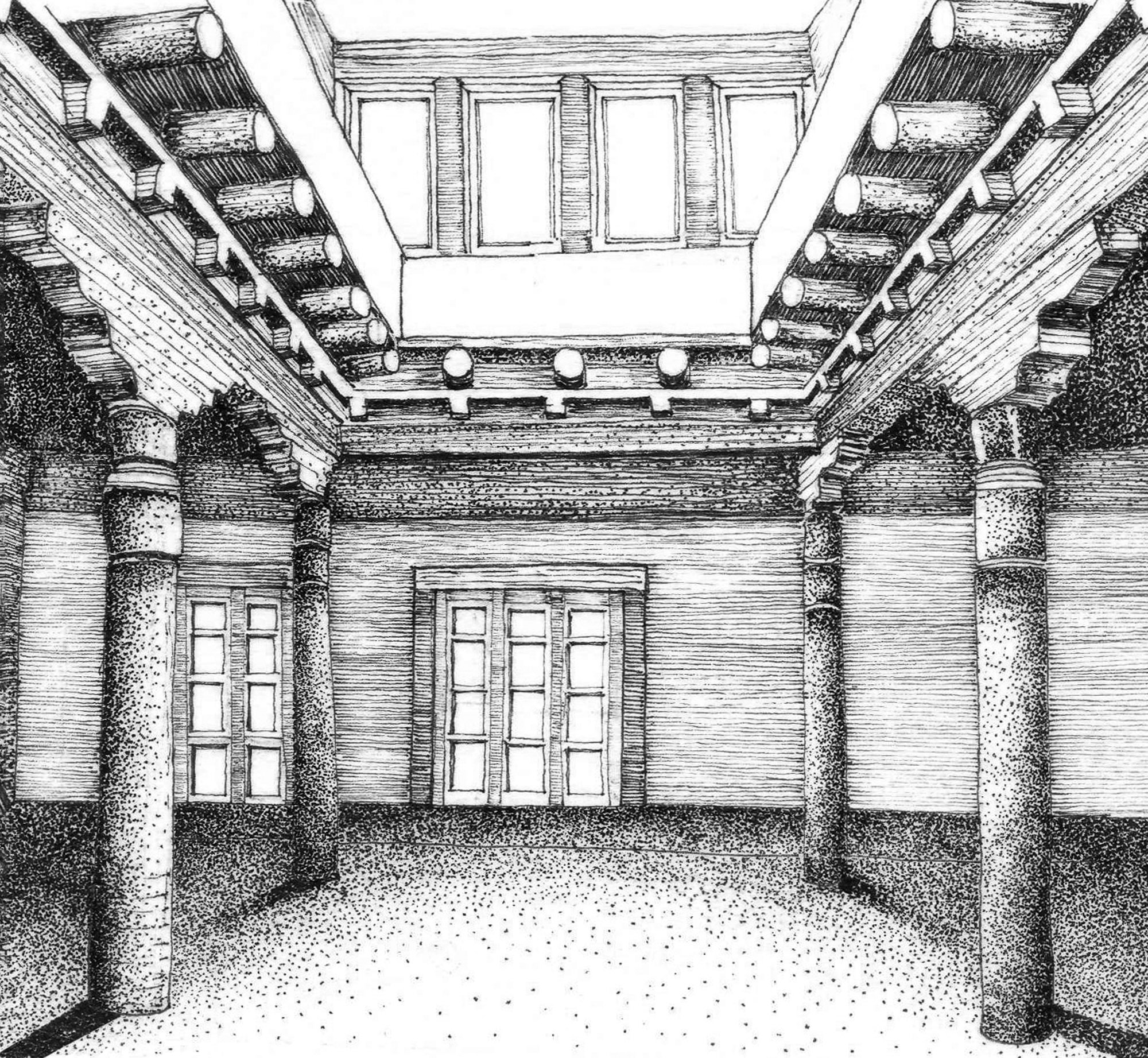
The layouts also evolve from the core of the Ladakhi household, which is the Chansa. The Chansa is essentially the combined dining and kitchen space.
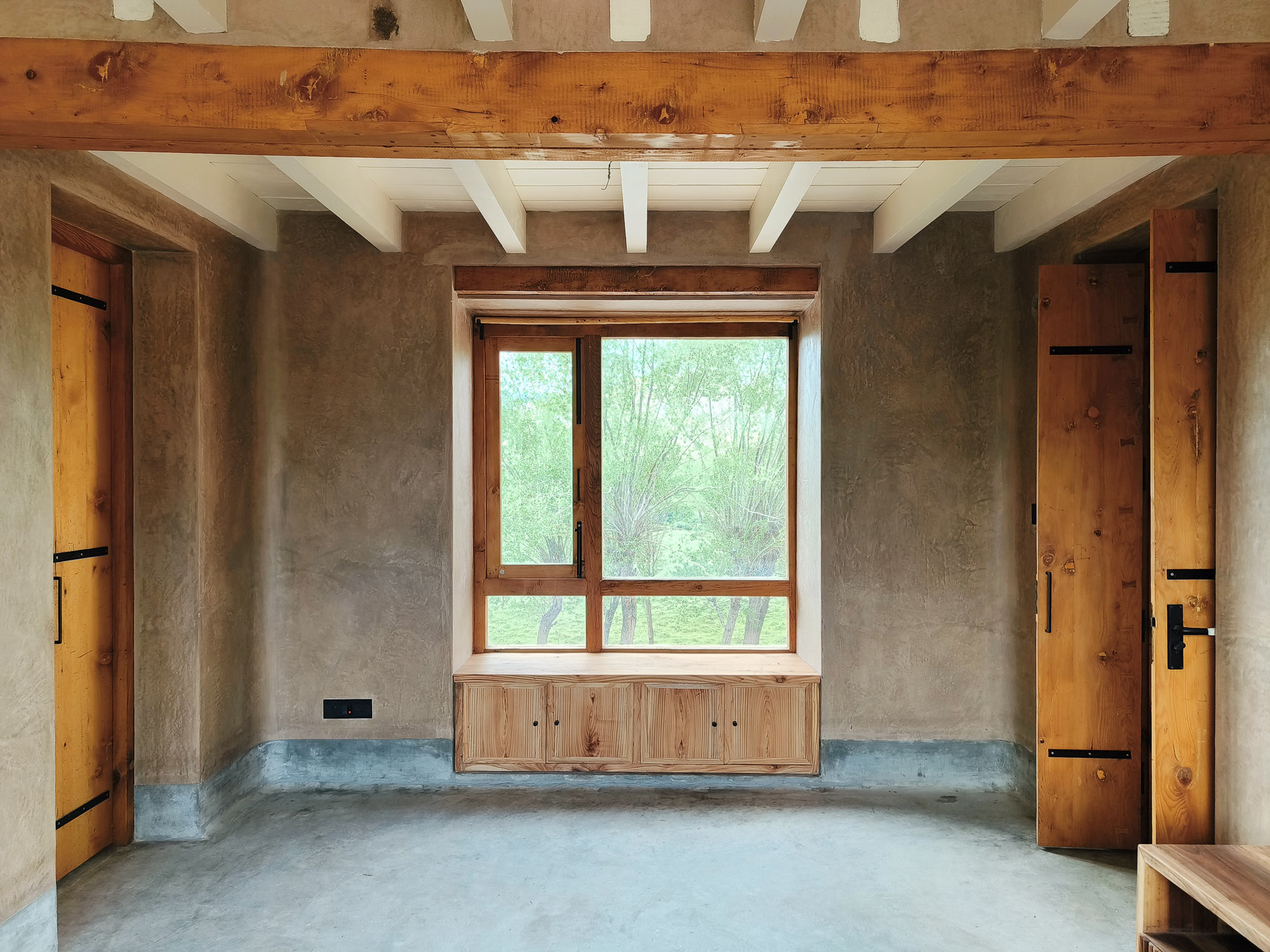
In our projects, the Chansa remains central to the house layouts that we design. Around this core, the wooden columns and wooden beam details play an important role. The way the spaces interlock, or how the spaces are formed between these timber-laced structural elements, becomes a kind of connection that we try to carry across our work.
In that sense, Ladakhi clients remain rooted in their culture, while also bringing in their modern aspirations through the idea of the Chansa.
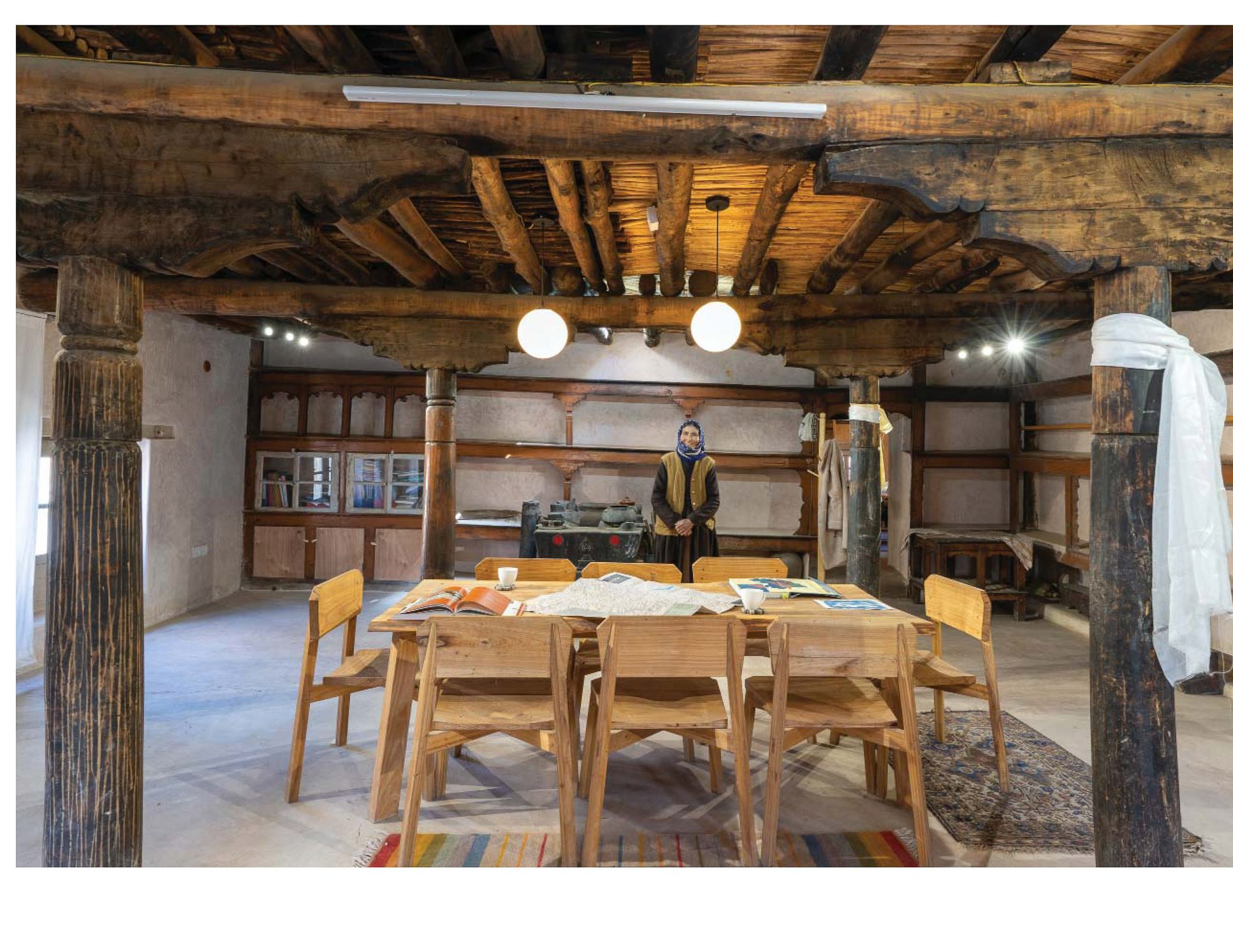
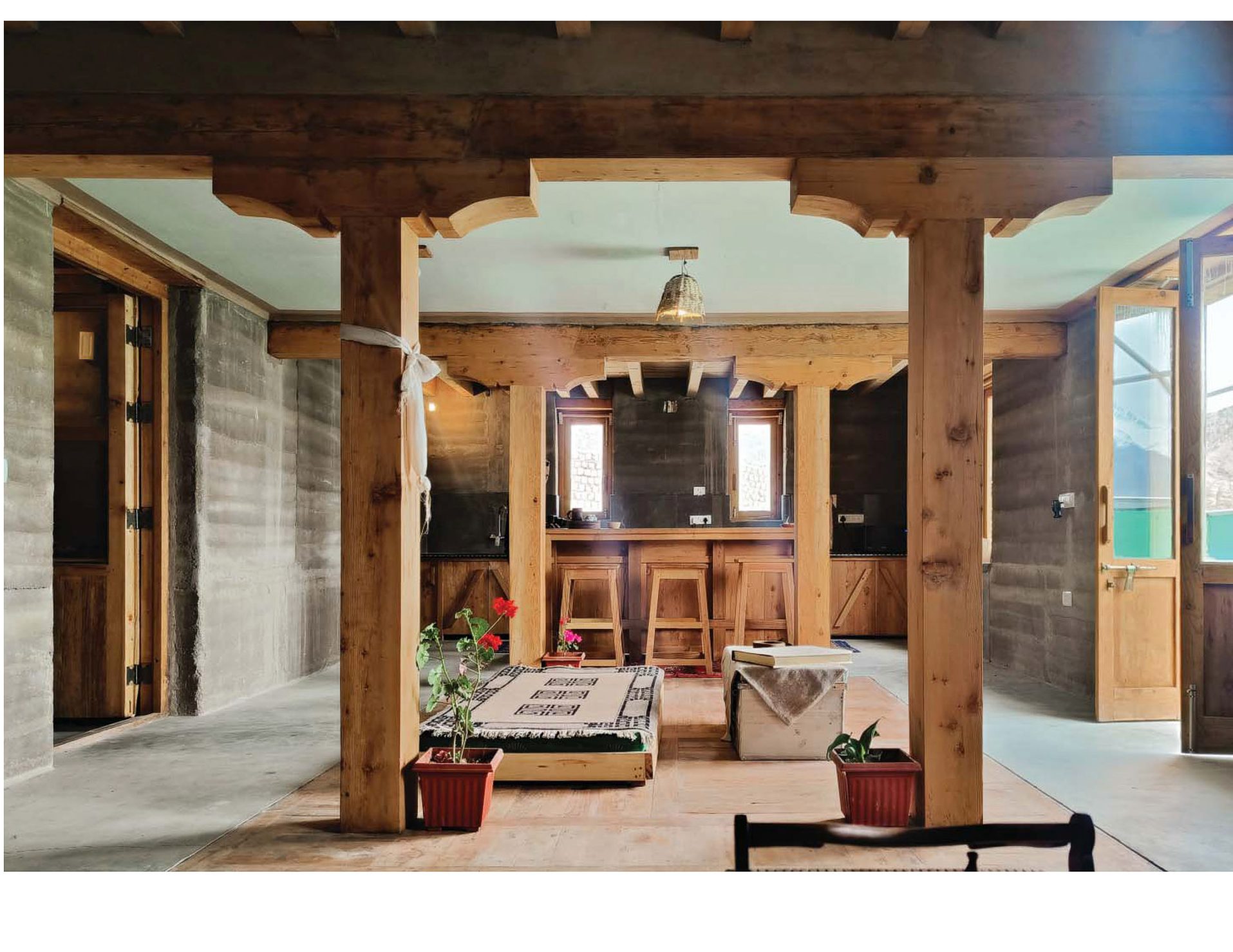
In terms of finishes as well, what we try to work with are various finishes using the earthen and clay materials that are available here. For example, Markalag is a type of silt, or you could say a very fine form of silt, which is almost similar to Multani Mitti that we get in the plains. There is also a traditional Ladakhi plastering technique called Shakalak, which is essentially a finger plaster.
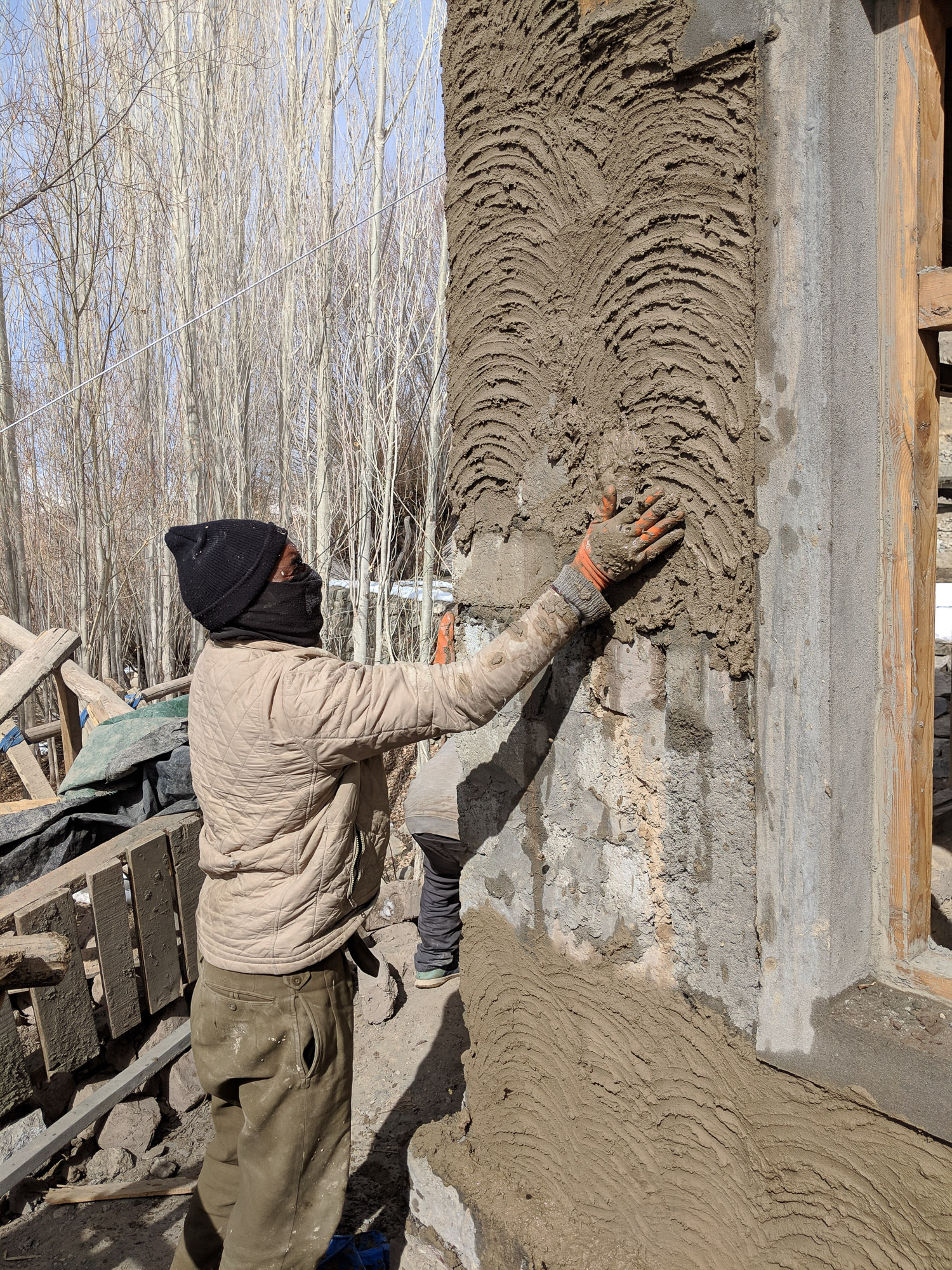
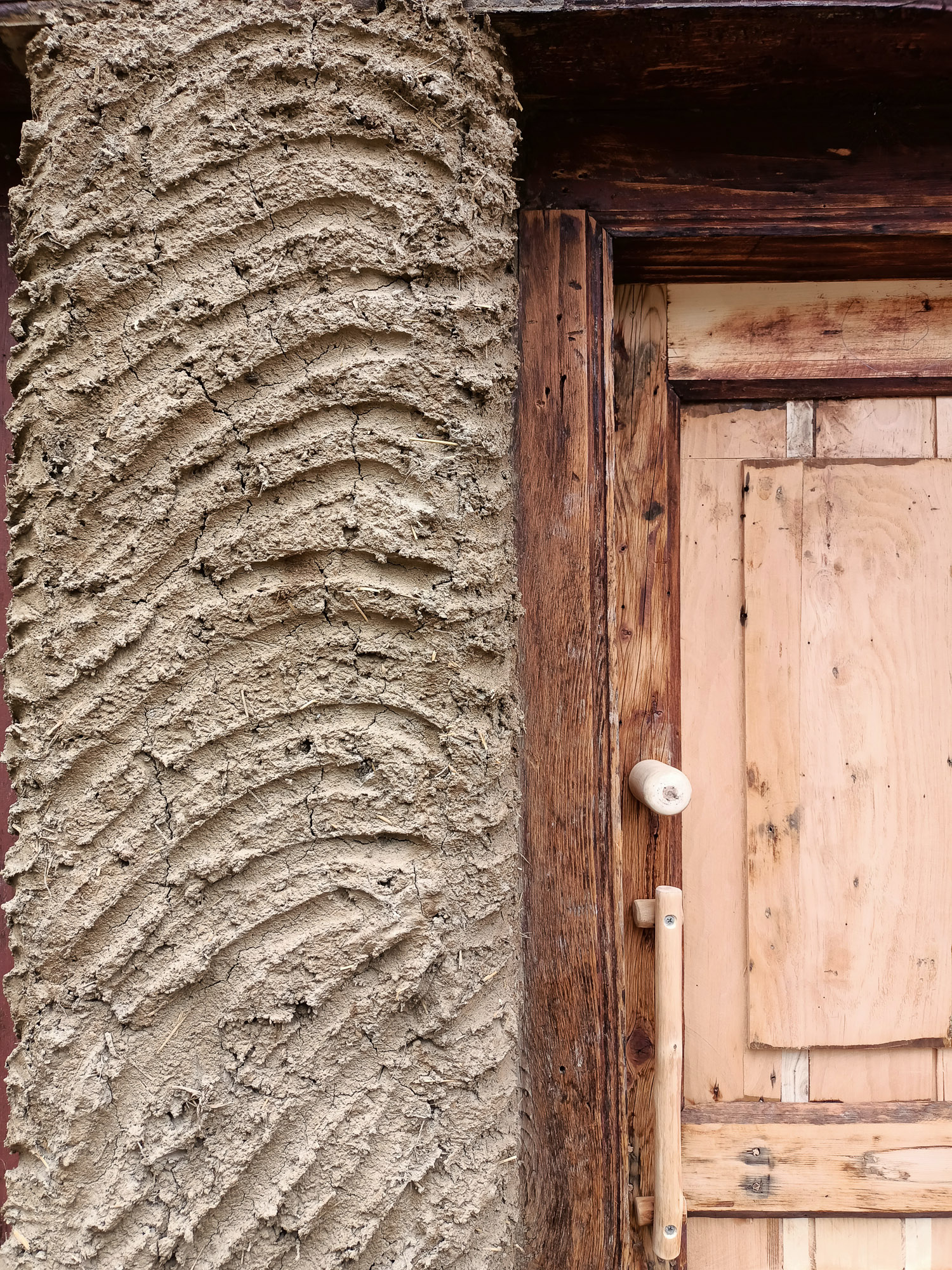
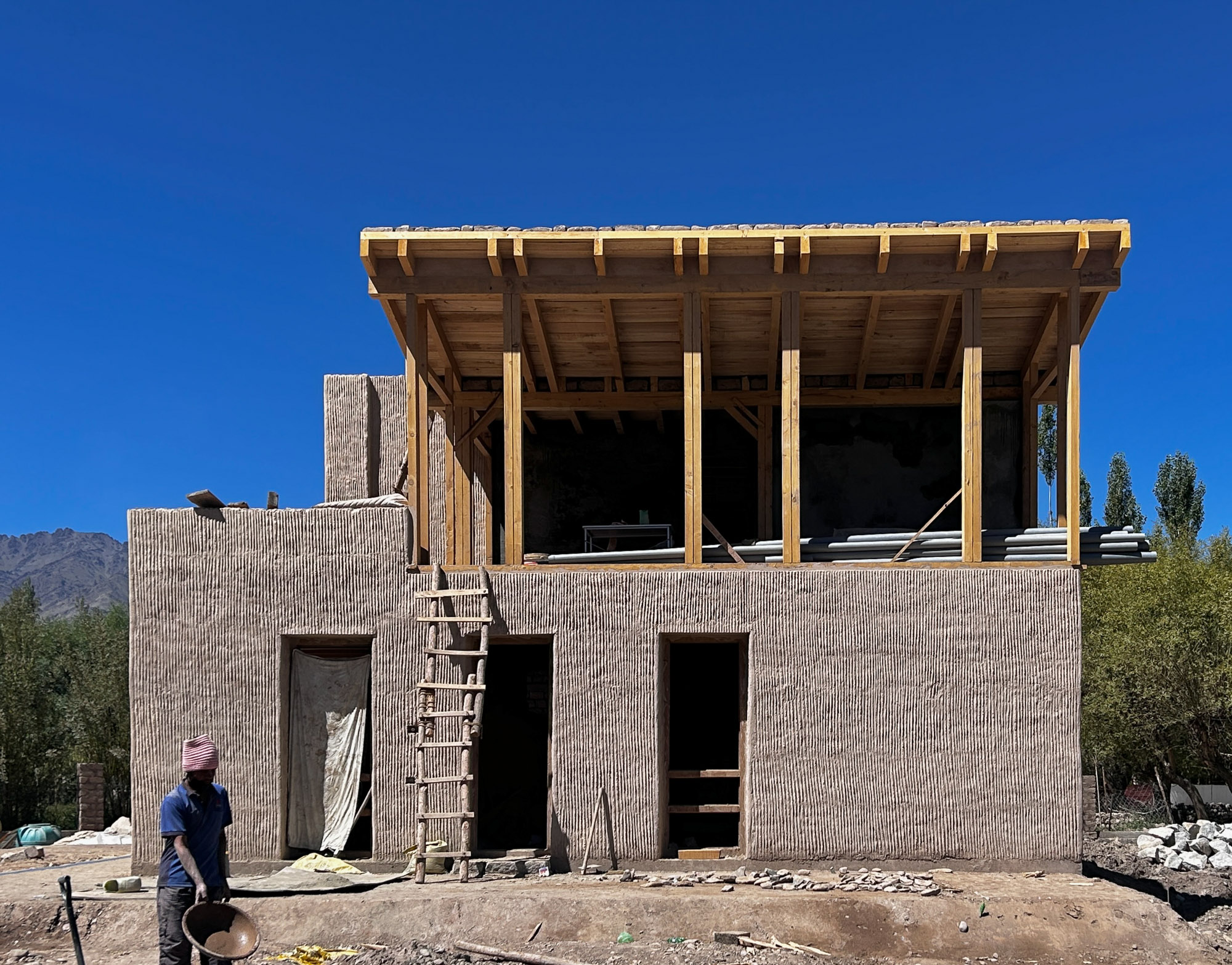
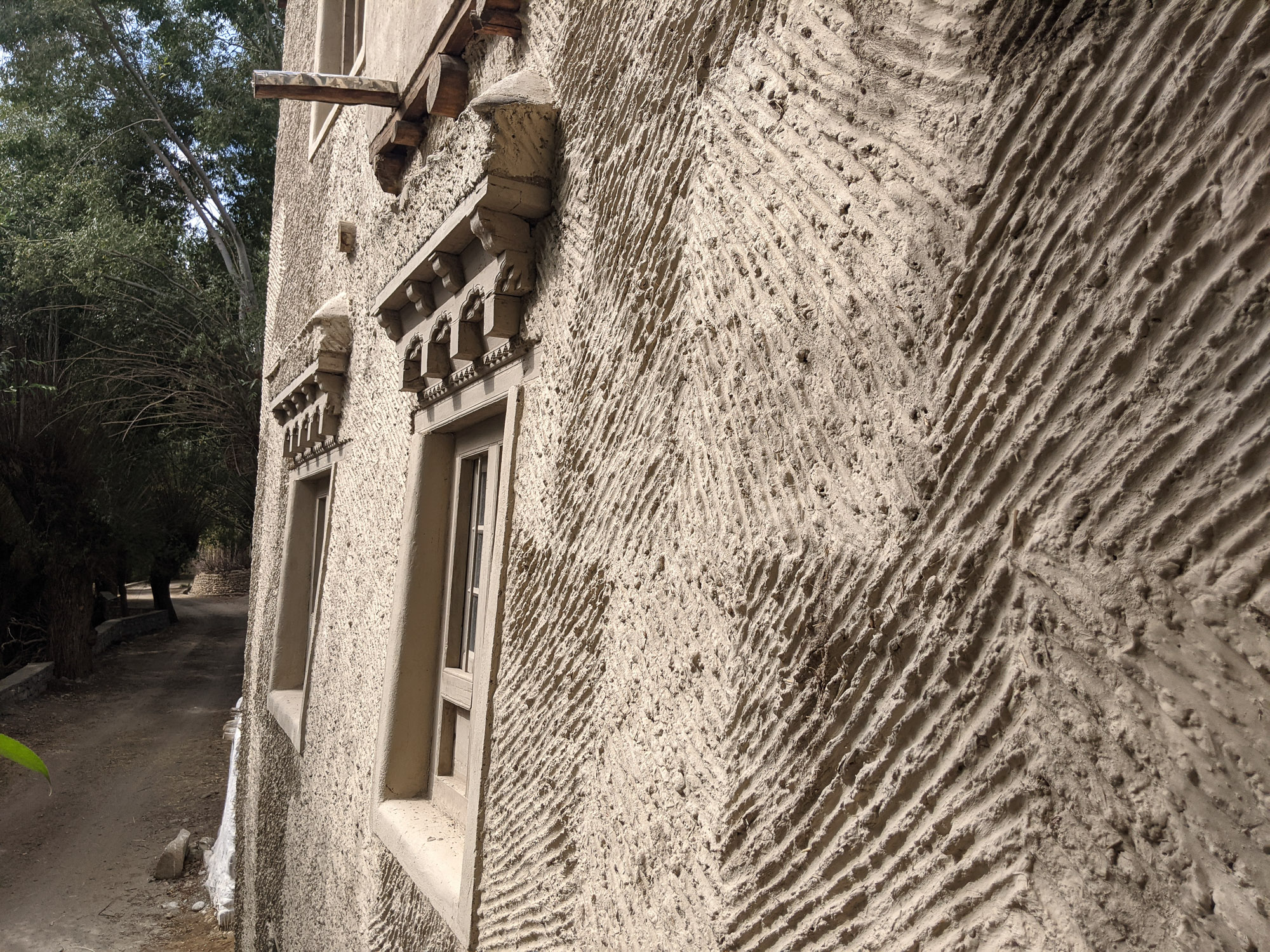
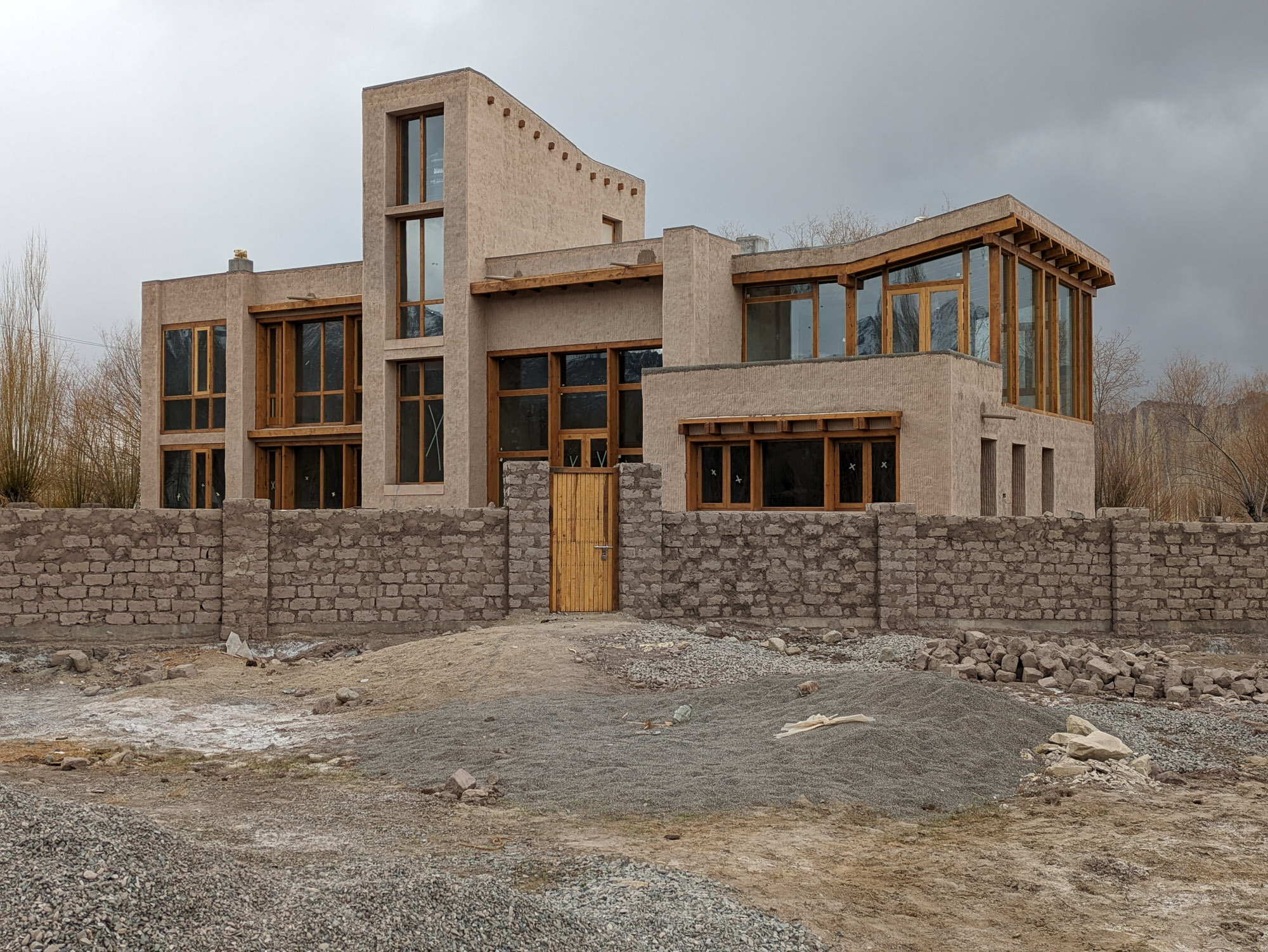
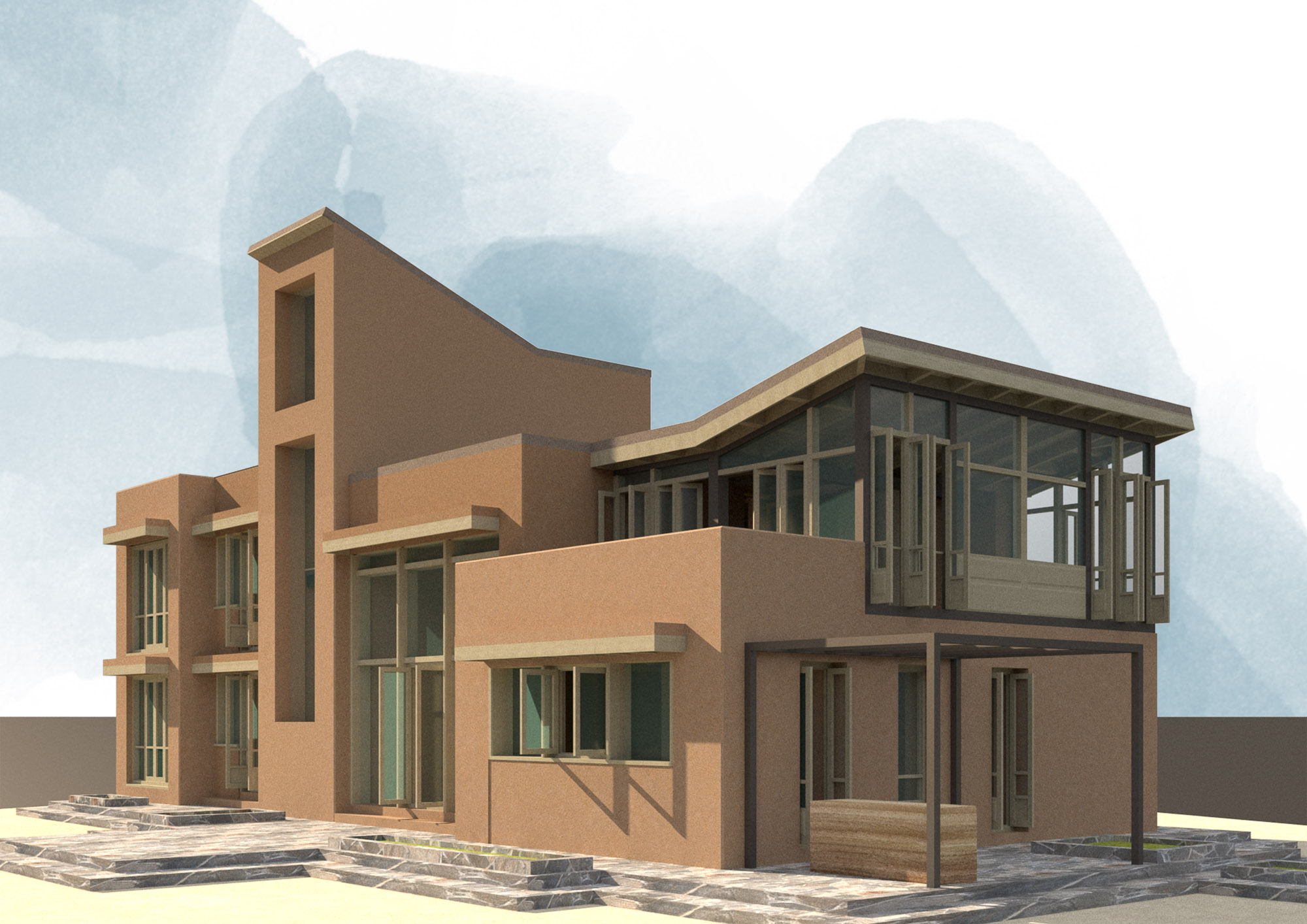
SP: In a similar way, when we think about the materiality and the aspiration for warmth in a place like Ladakh, passive solar design and passive solar heated building techniques become closely related to that aspiration. Even though these ideas may not have a direct architectural reference together, when they become part of the design brief, it becomes very natural to design an earth building. But it is not done in a purely traditional way; it also incorporates a layer of contemporary aspiration.
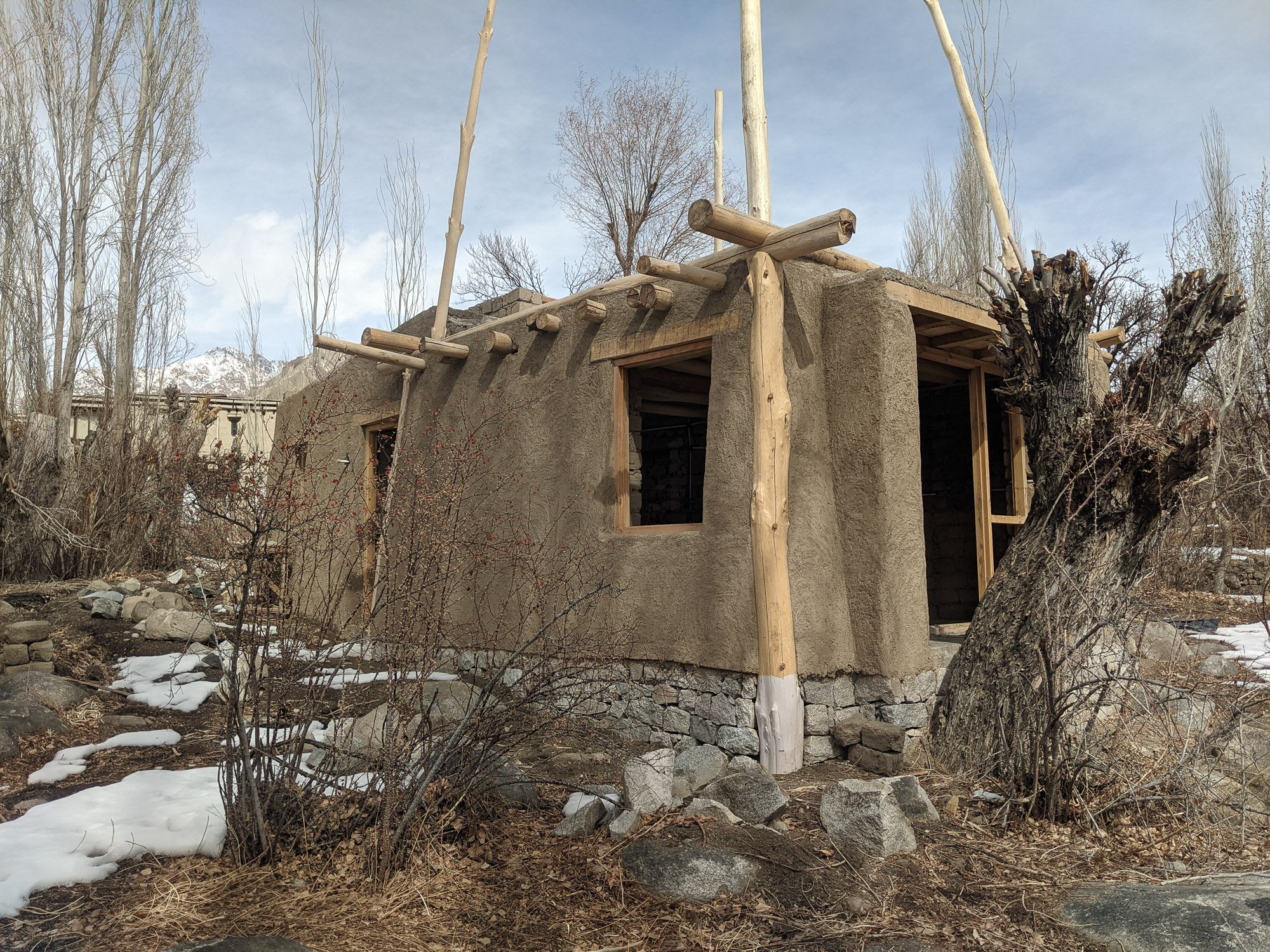
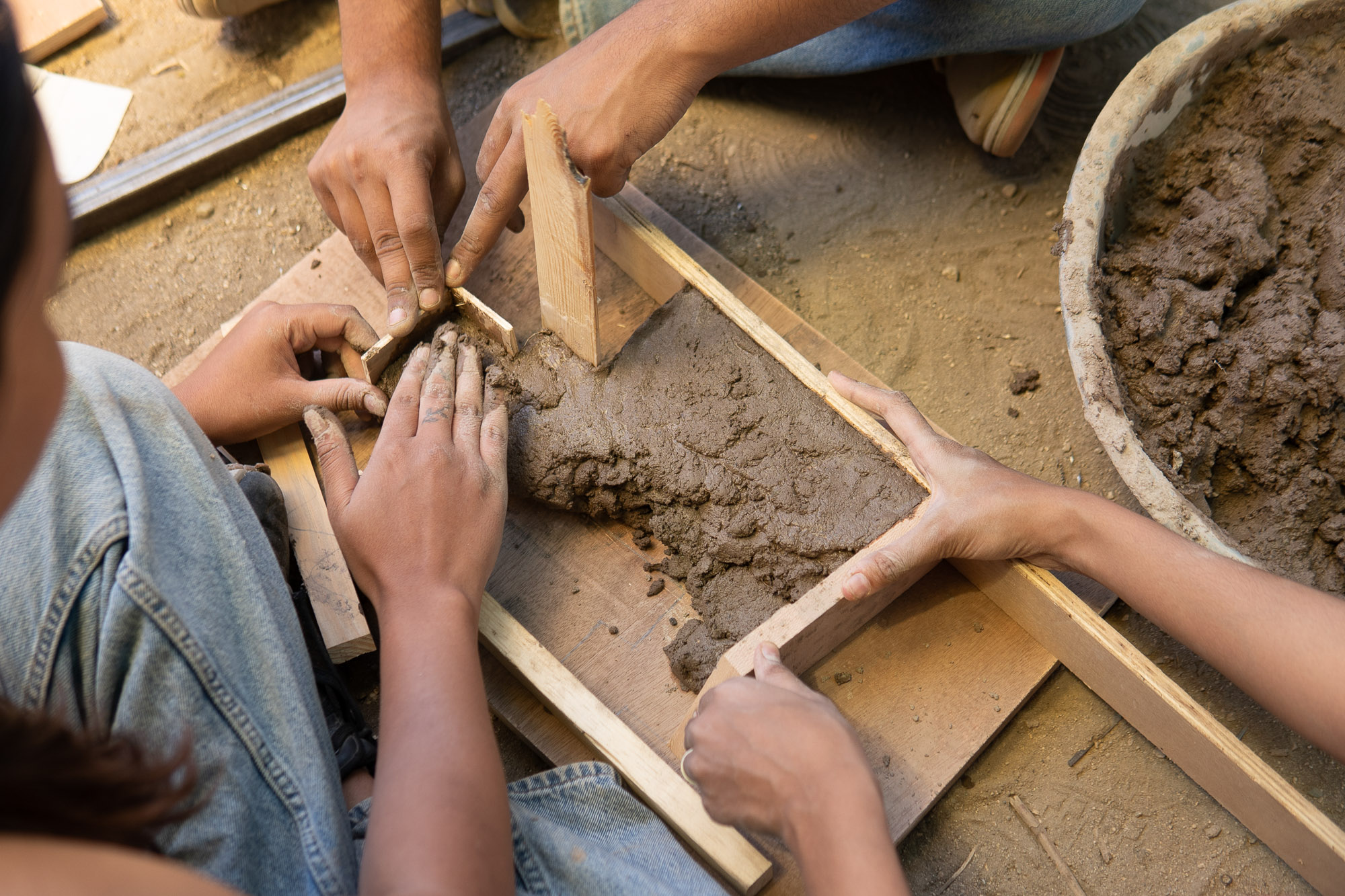
FK: We usually work with adobe walls, which is a very common construction technique here. For passive solar buildings, insulation is required. We sourced repurposed army mattresses that were earlier used in Siachen. These were placed between the two wall layers to provide insulation. It has now been about two years, and the buildings are performing very well.
We generally go for adobe construction because we find it very adaptable for local masons. It does not require a specialised skill set to execute. At the same time, adobe allows us the flexibility to experiment with different kinds of plasters, both external and internal. We have also worked with lime. However, lime is not available in Ladakh, so we have to source it from Jammu. Another palette we work with is the natural coloured soils. Ladakh has very beautiful coloured mountains, and we try to source different earthen materials from there.
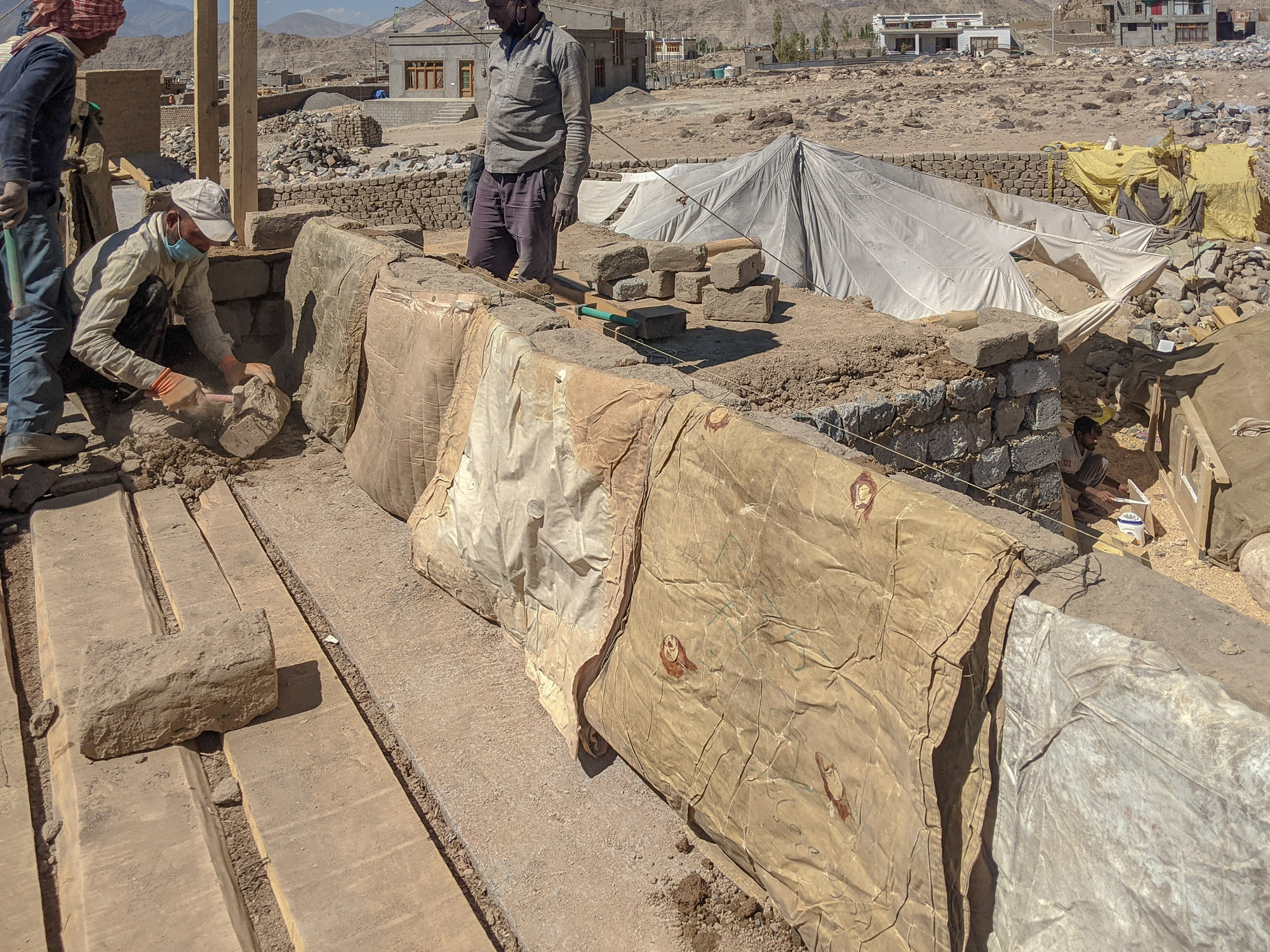
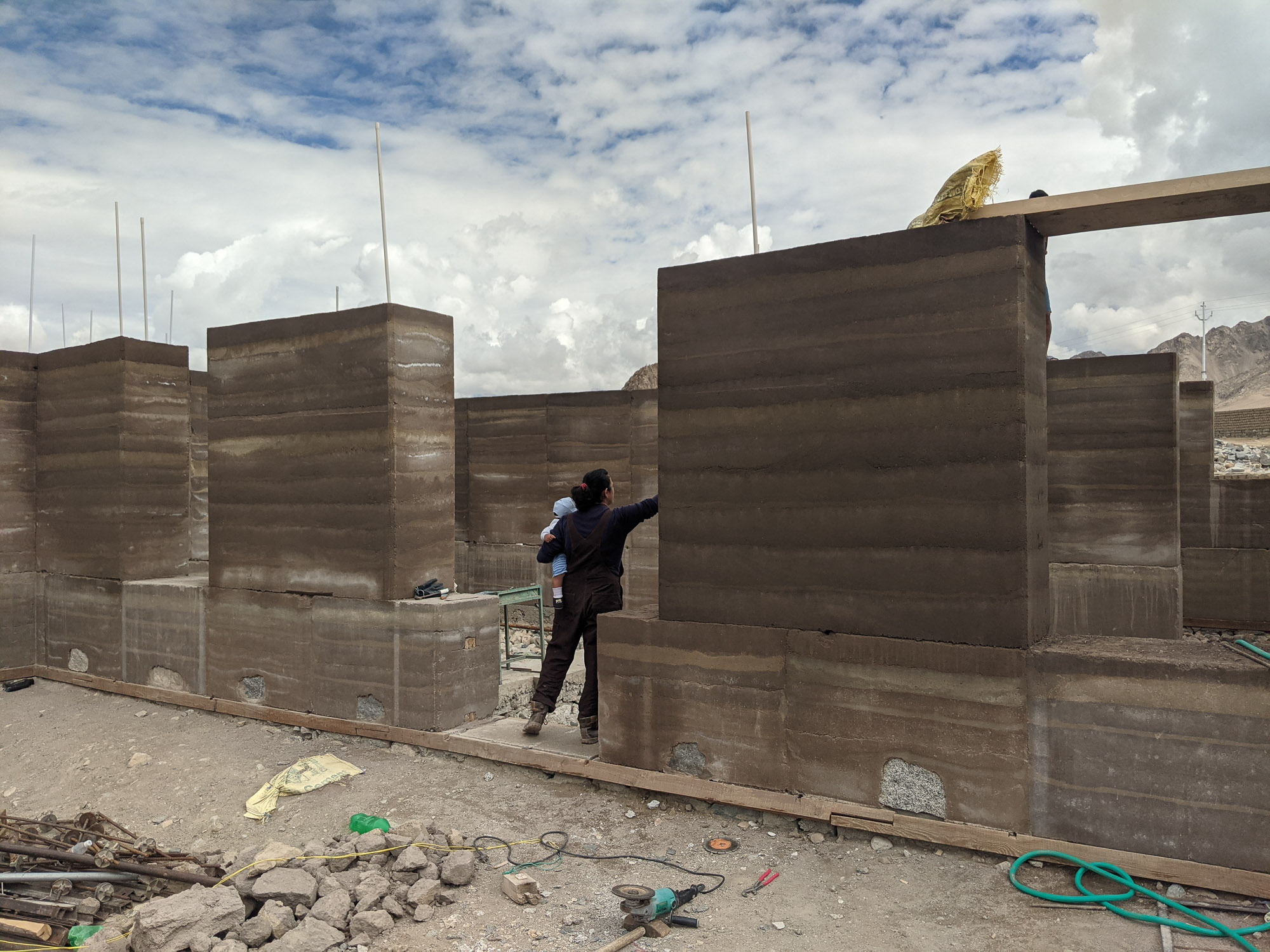
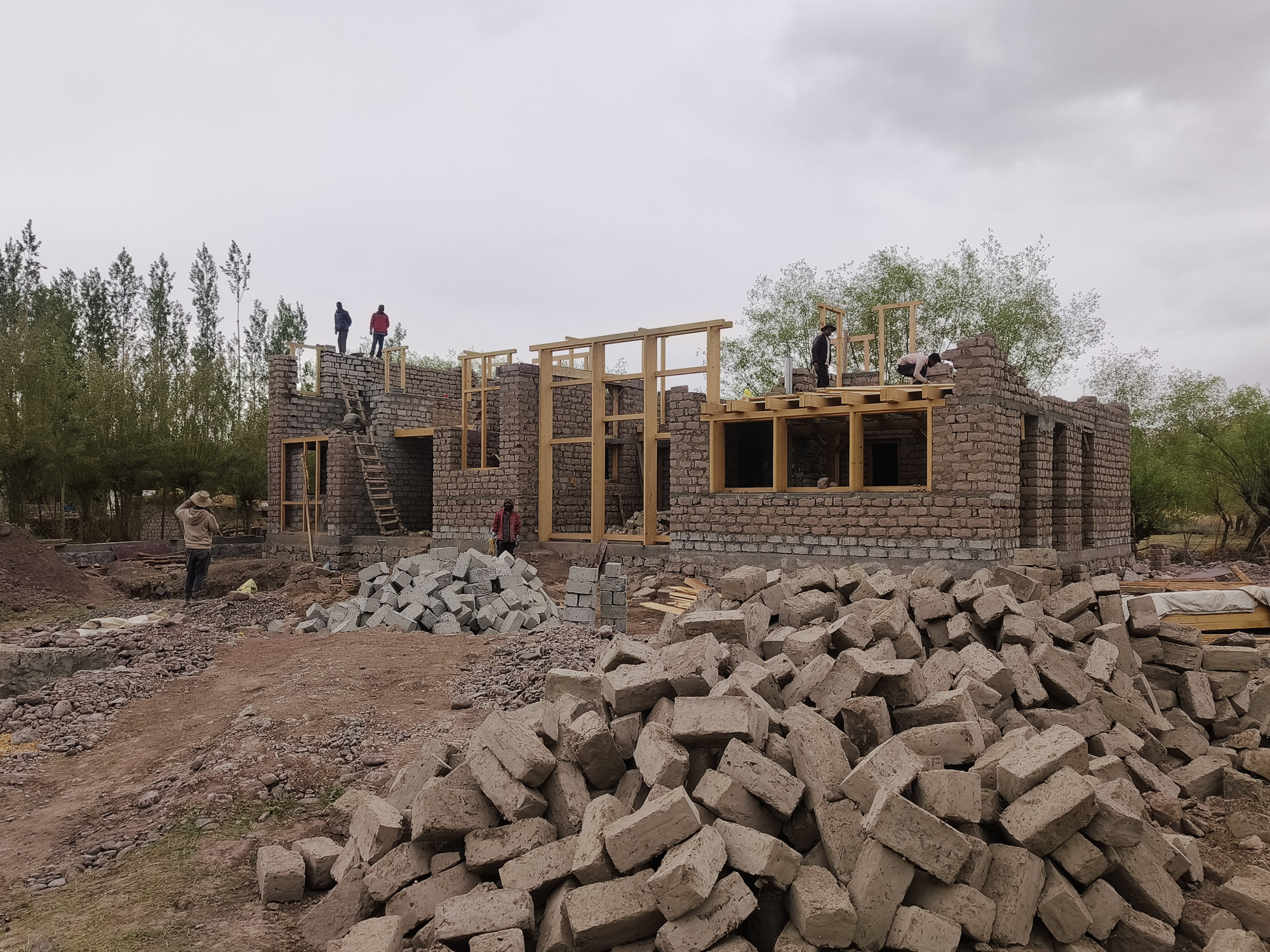
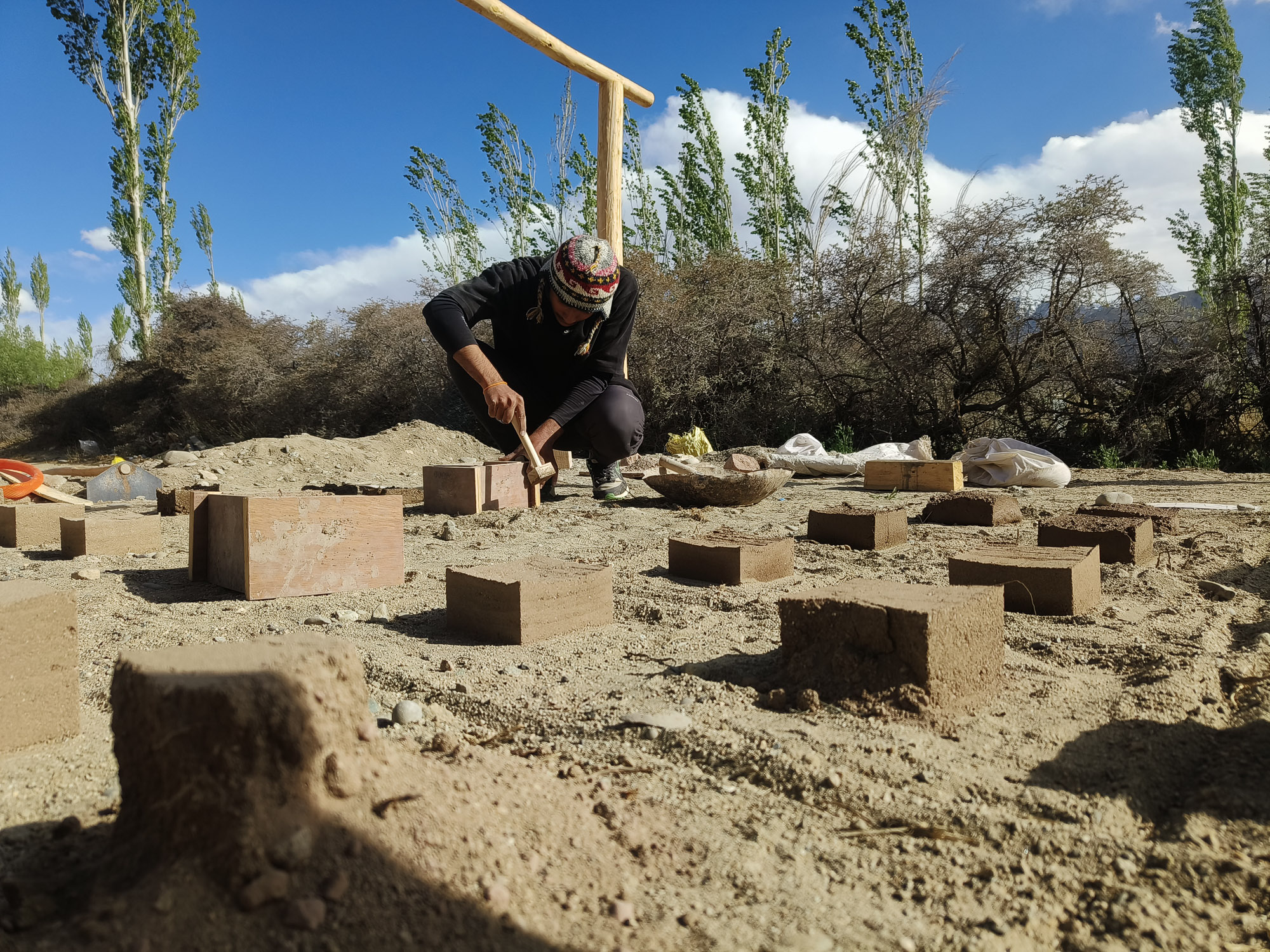
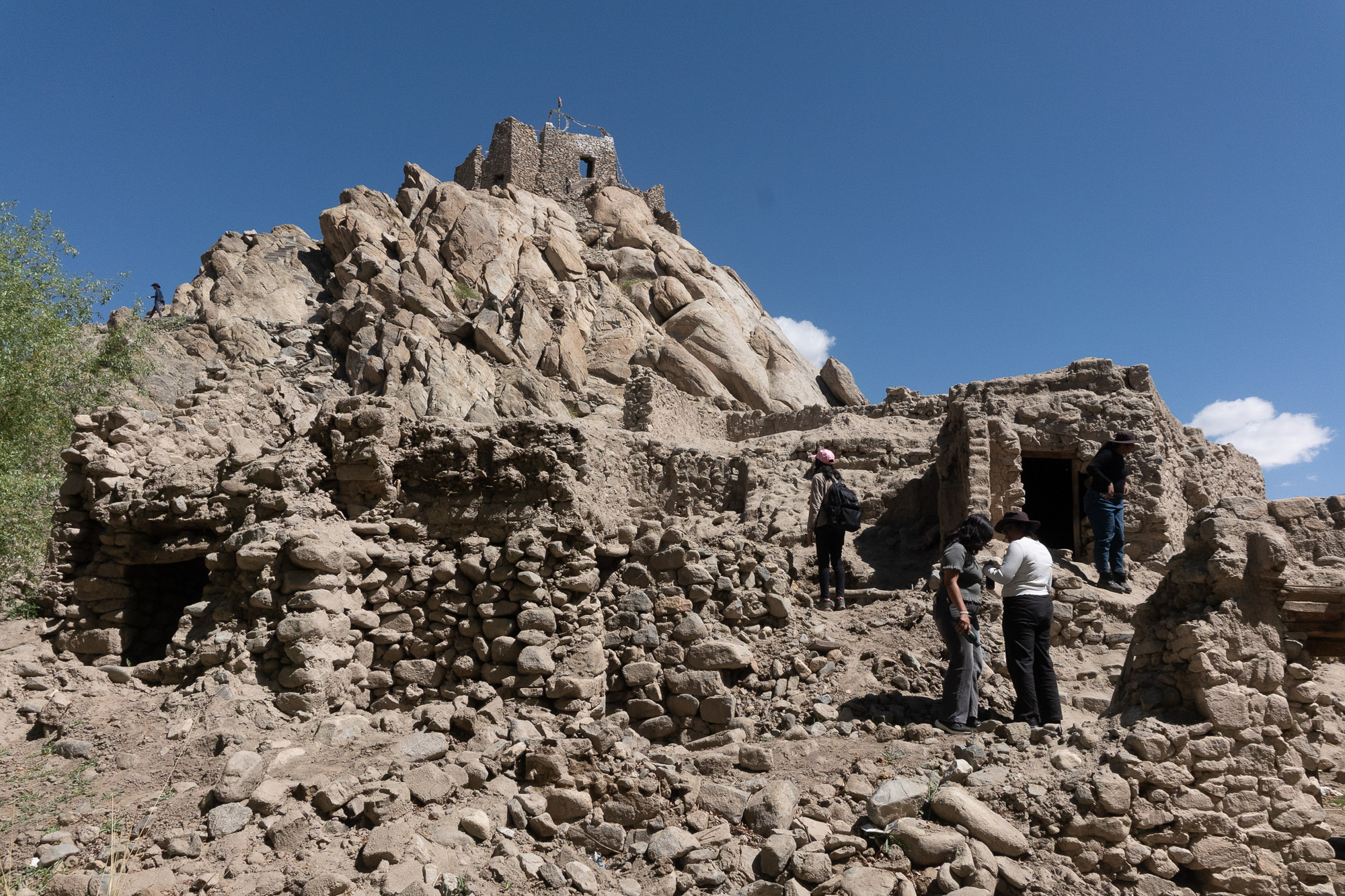
The type of stone we use depends largely on availability. In some places you get round river stones, and in other places you get softer igneous rocks. For example, in Ladakh Sarai we have done a lot of stone work. But the type of stone is different in different places. In Kyagar, in Nubra,(The Kyagar, Nubra) we again worked with stone, but they are completely different kinds. Most of them are collected from the valley side, where you mostly get round stones or stones cut from boulders that are then used for masonry.
On the other hand, in Ladakh Sarai the entire stone landscape is done with thick flagstones. These are used for retaining walls, pathways, and similar elements, while also bringing in the geometry of the farms and the cellular, incremental expansion of the terraced landscape.

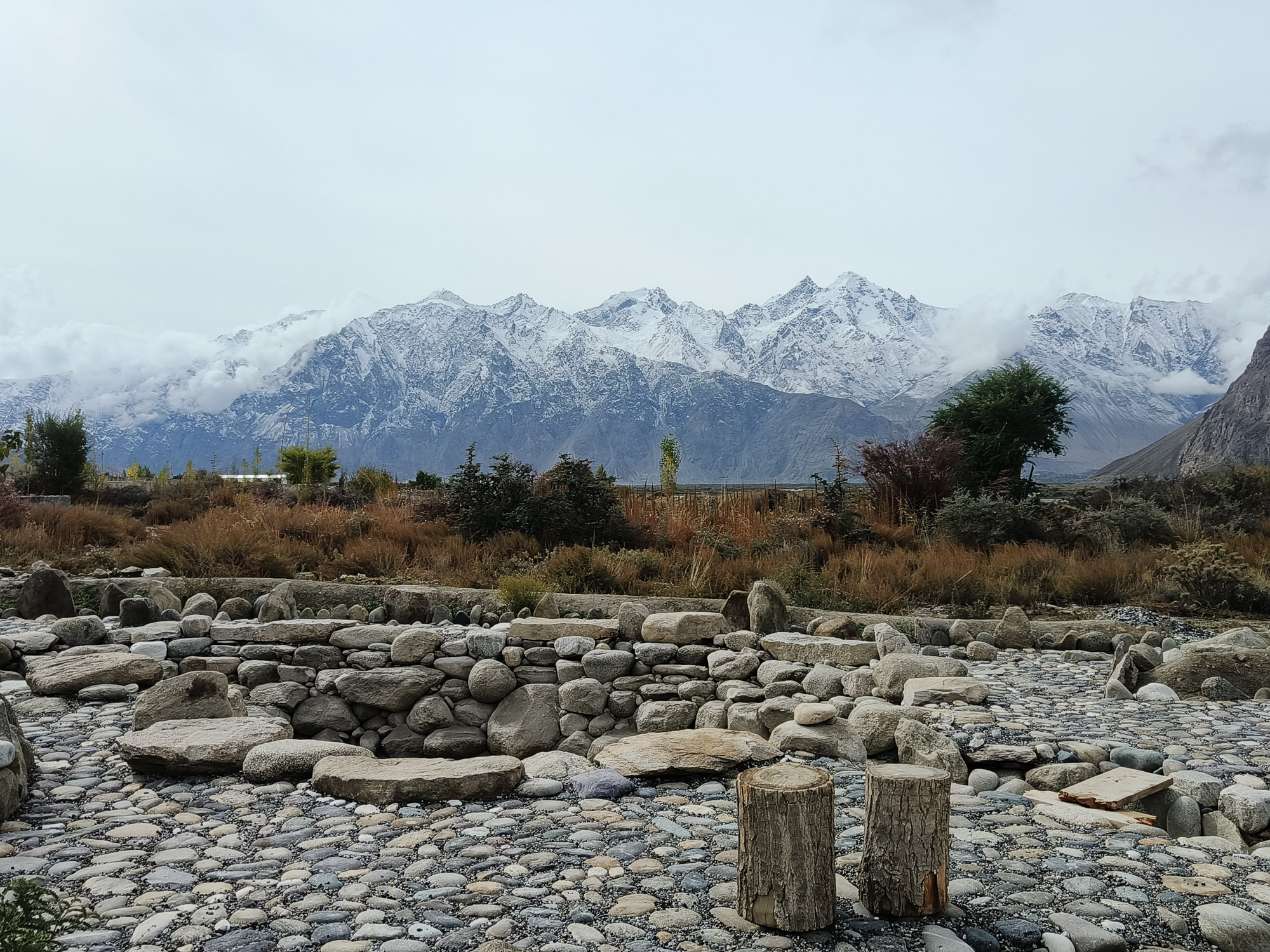
In that sense, materiality becomes a core aspect in how you begin detailing for a particular design.
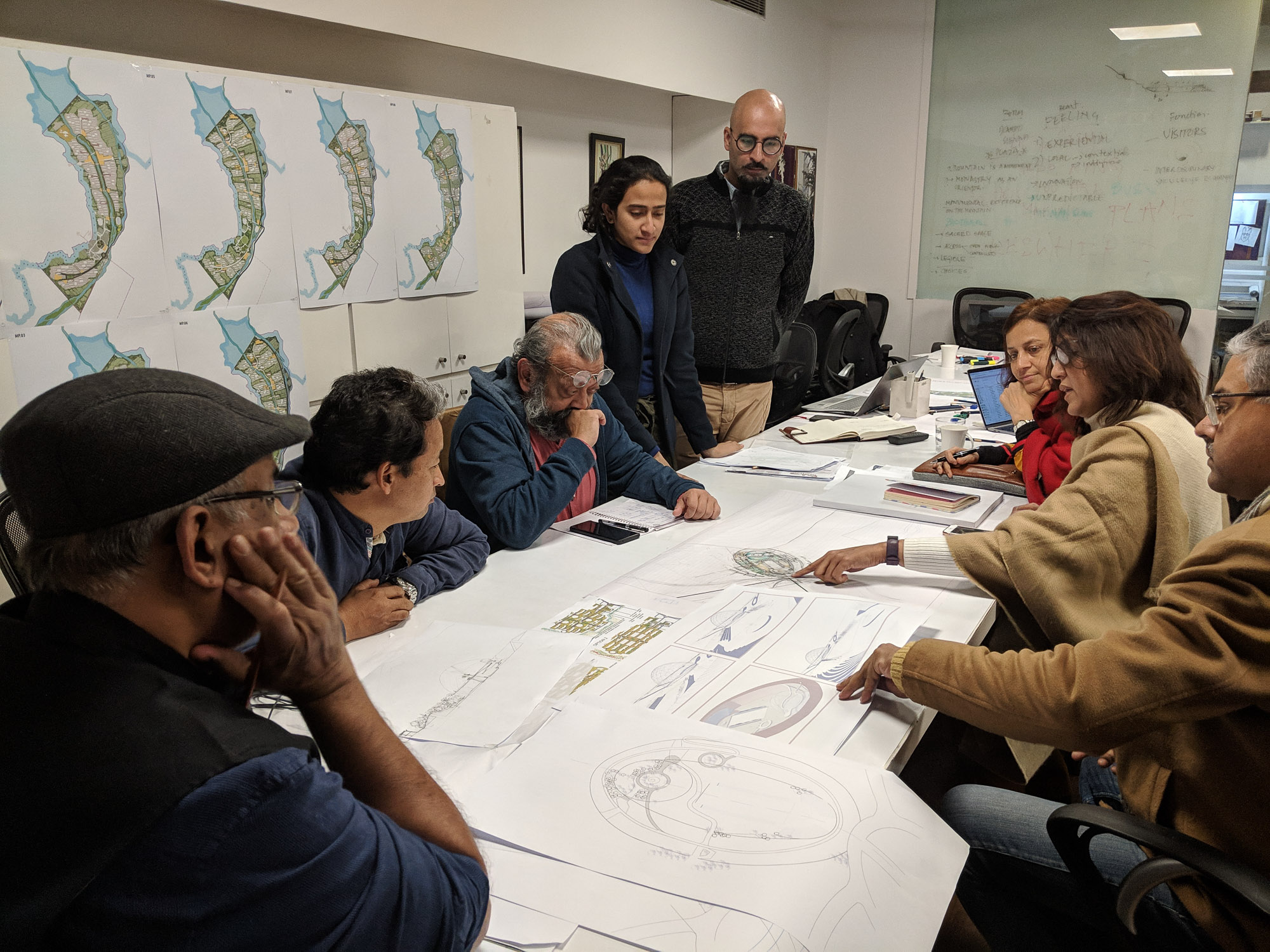
SP: As part of the design and documentation process, representation becomes a very crucial mode through which we document the design, the ideas, and the process. As part of representation, it is also very important for us to understand who we are documenting or representing a particular idea for. In that sense, we speak about different mediums within the office.
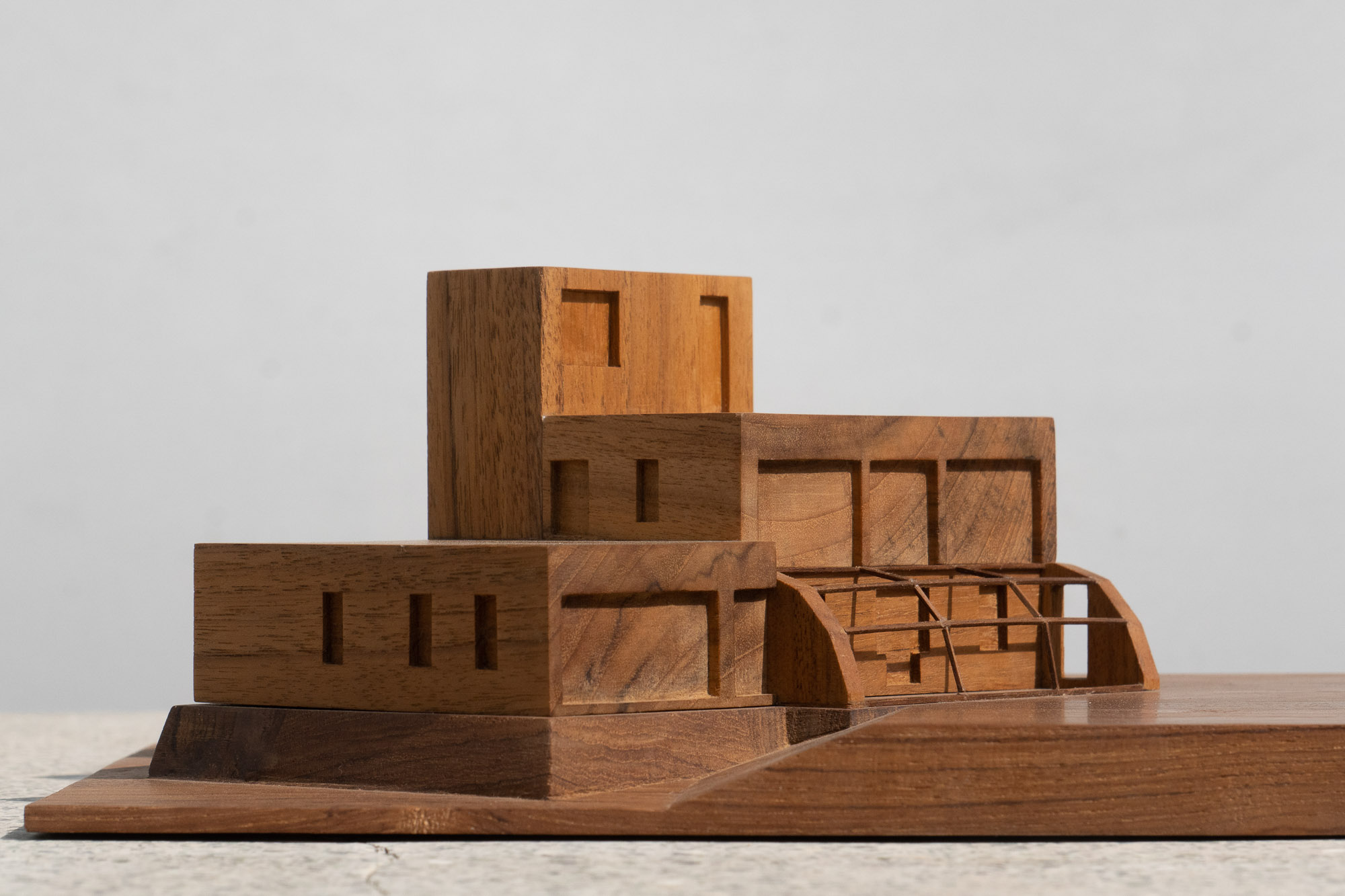
Naturally, we rely on software, but we always try to maintain a practice where things are drawn out first, sketched out first, written down first, and discussed first. Only after that do we move on to tools such as CAD software or other 3D software.
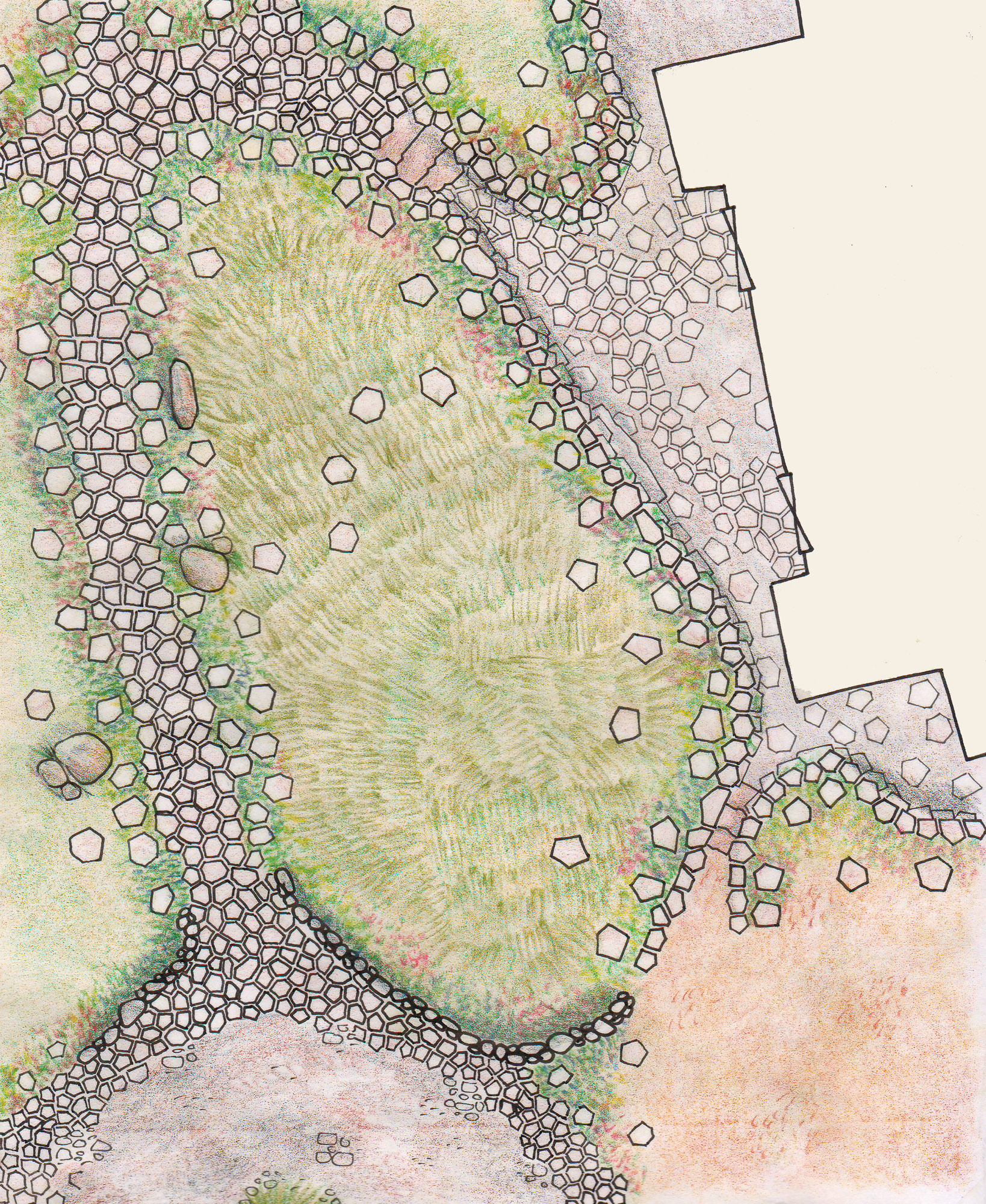
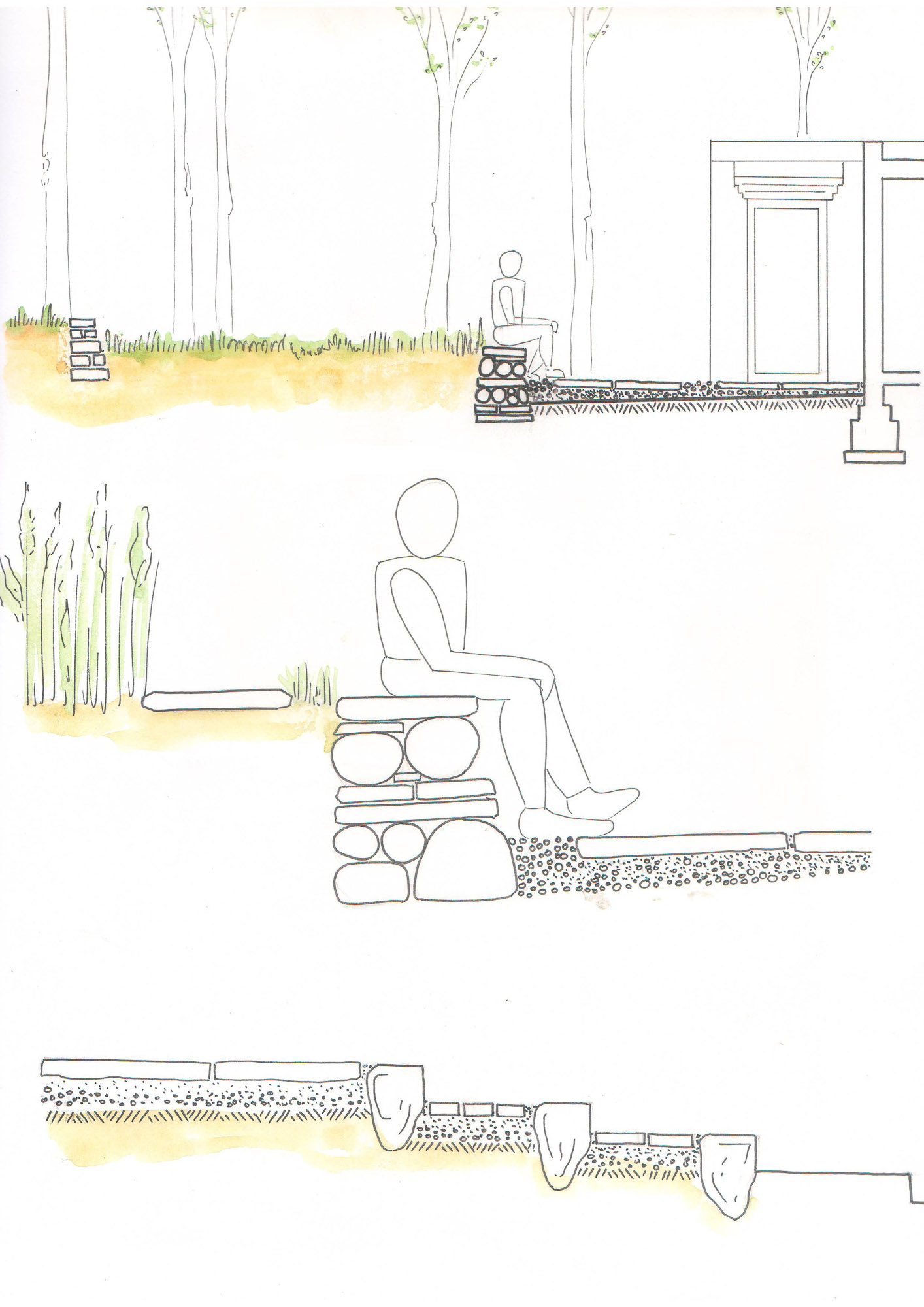
FK: Sometimes we also make drawings that are very easily readable for the masons we are working with. Because we do not really have contractors or masons who are used to reading architectural drawings. For certain landscape works, we make sketches that are very elaborate, so that even a lay-person can understand what should be done and what should not be done (translated from Hindi).
At the same time, we also develop AutoCAD drawings. But often decisions have to be taken on site, depending on how the building process unfolds or what materials arrive. It is not like an industrial standard where everything is fixed beforehand.
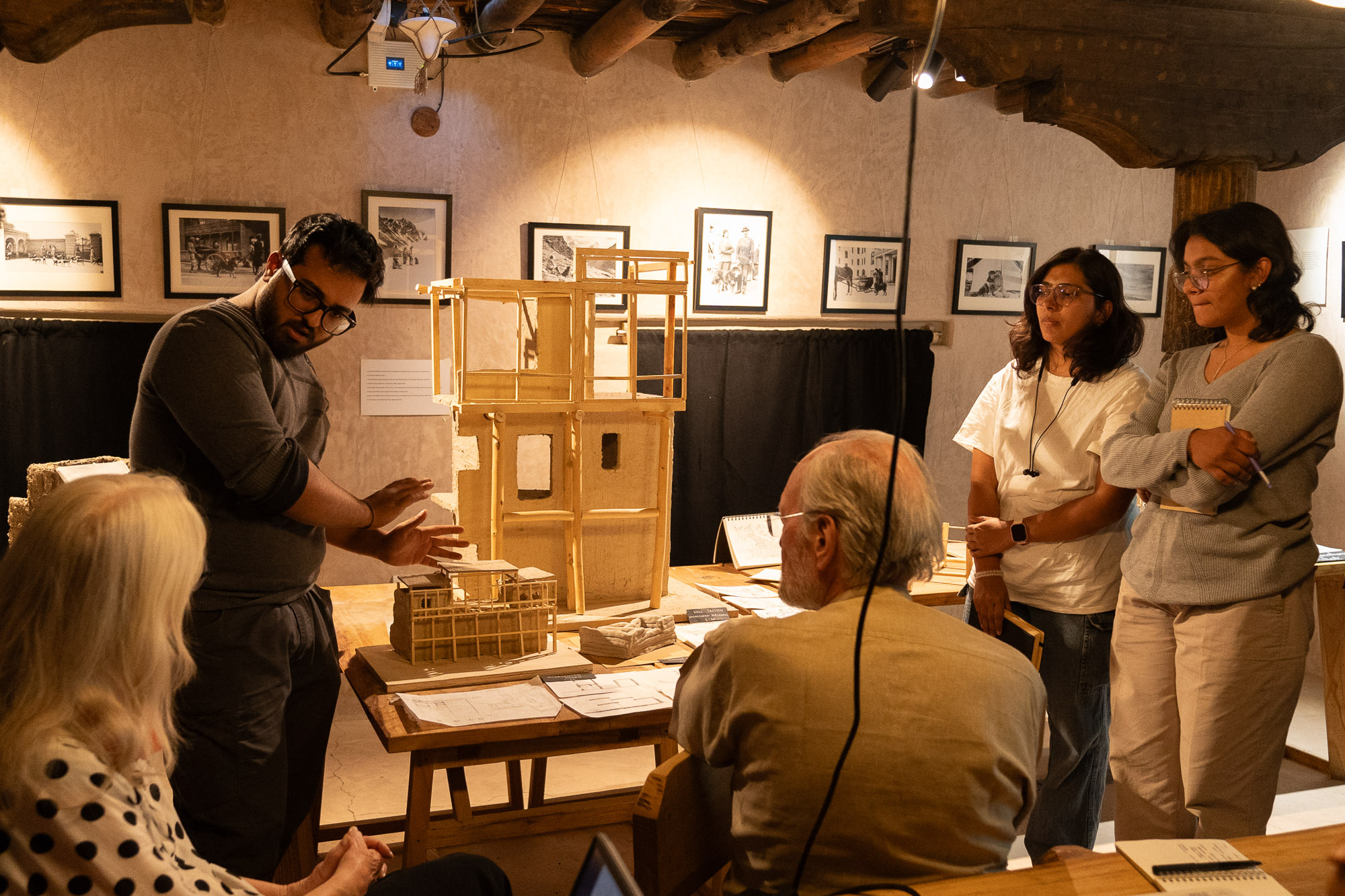
We also work with physical models and sketches. In general, we maintain a very elaborate documentation process for our projects, both on paper and on site. What we try to do after each project is document photographs and prepare a project report that records the entire process, from start to finish, including drawings, process photographs, and the different kinds of work involved in the project. This also helps us look back and reflect on the work.
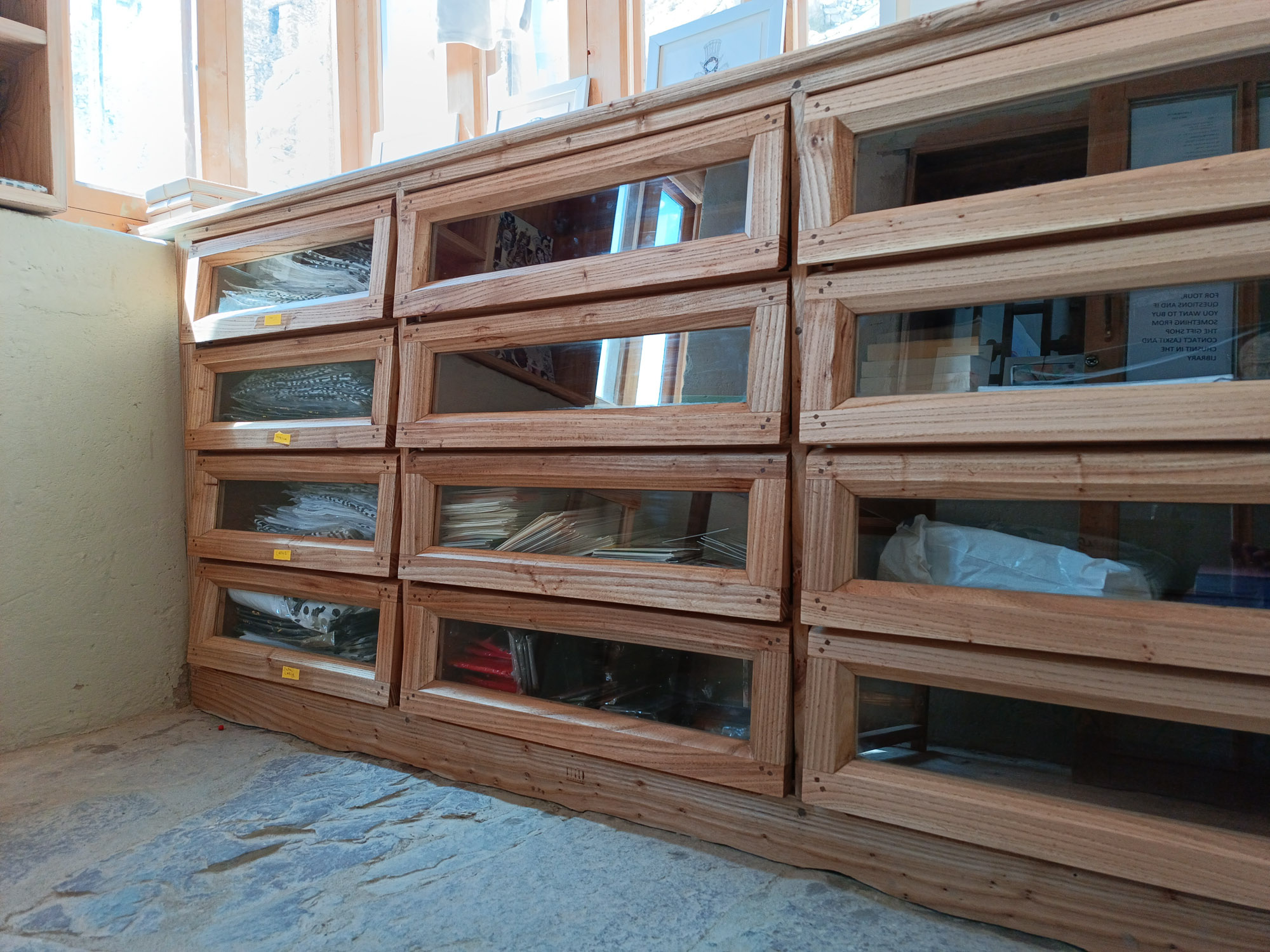
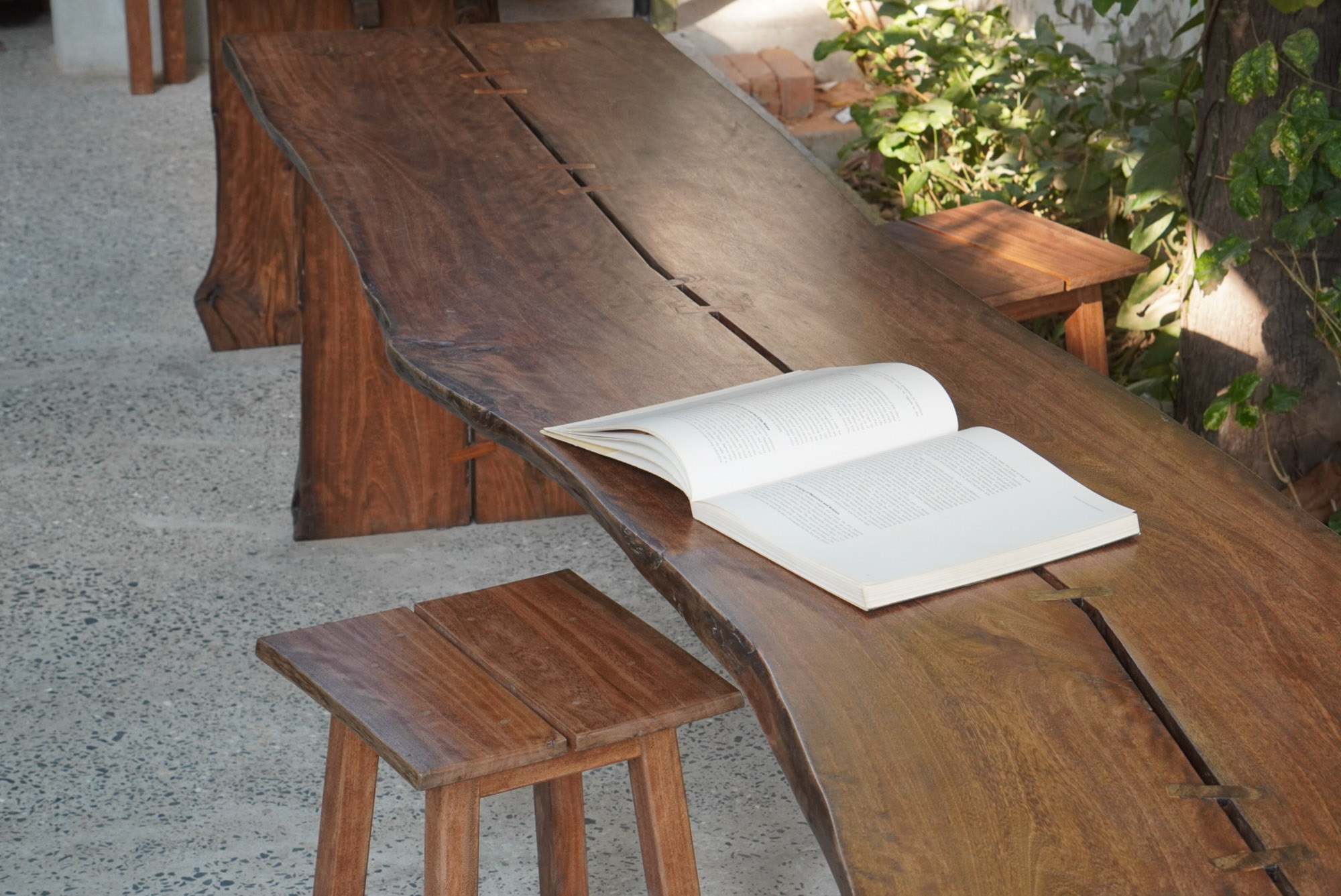
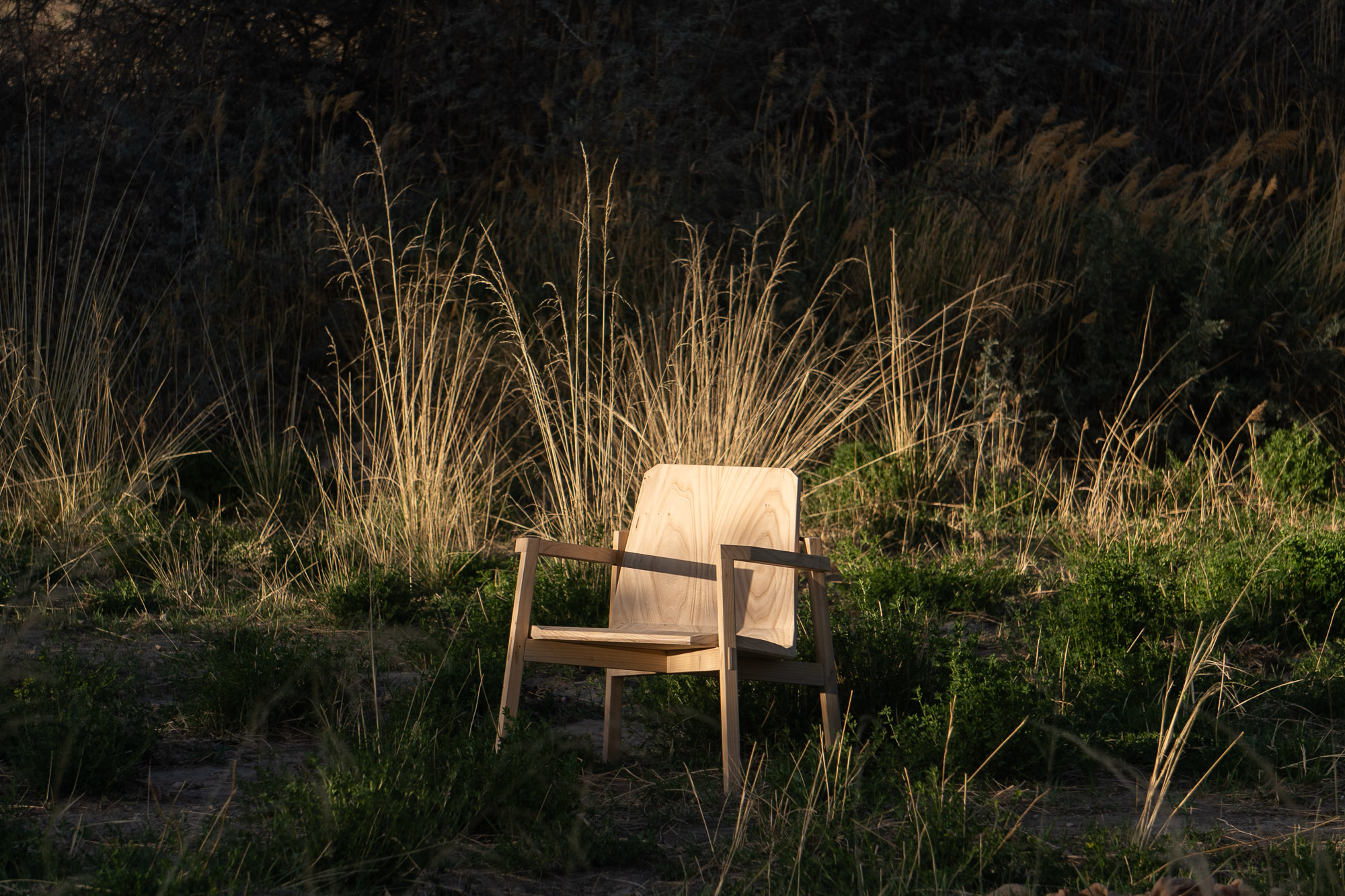
SP: Field is imagined as a triangle with three different aspects: Field Architects is the consultancy or the design practice. Field Studios is where we earlier mentioned our workshop, which engages in building, designing, construction, and working with furniture, timber, lime, and other forms of experimentation. The third part is Field Labs, which tries to engage with the academic side of the practice. In that sense, the three form a triangulated relationship, where each aspect feeds into the other.
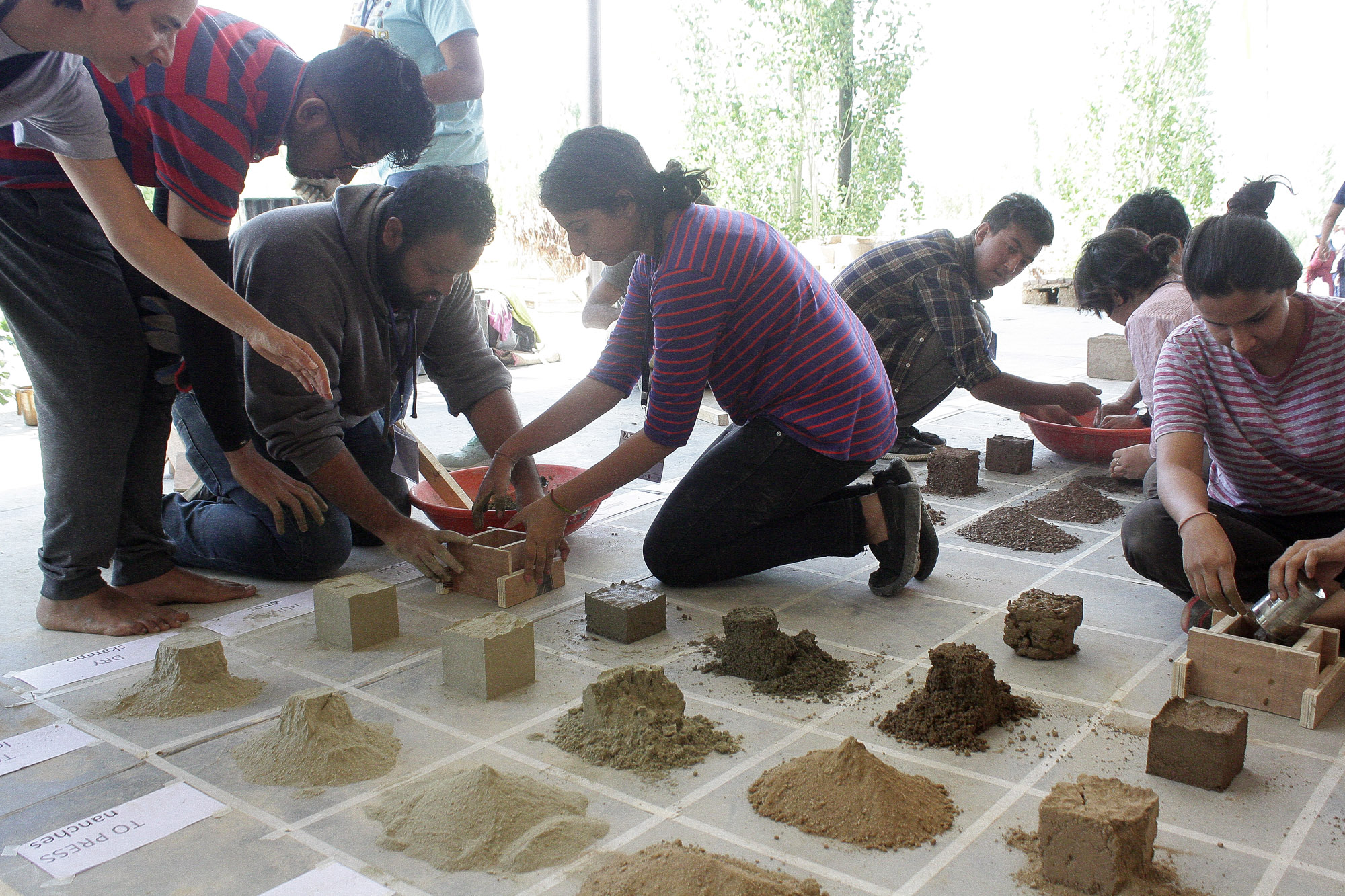
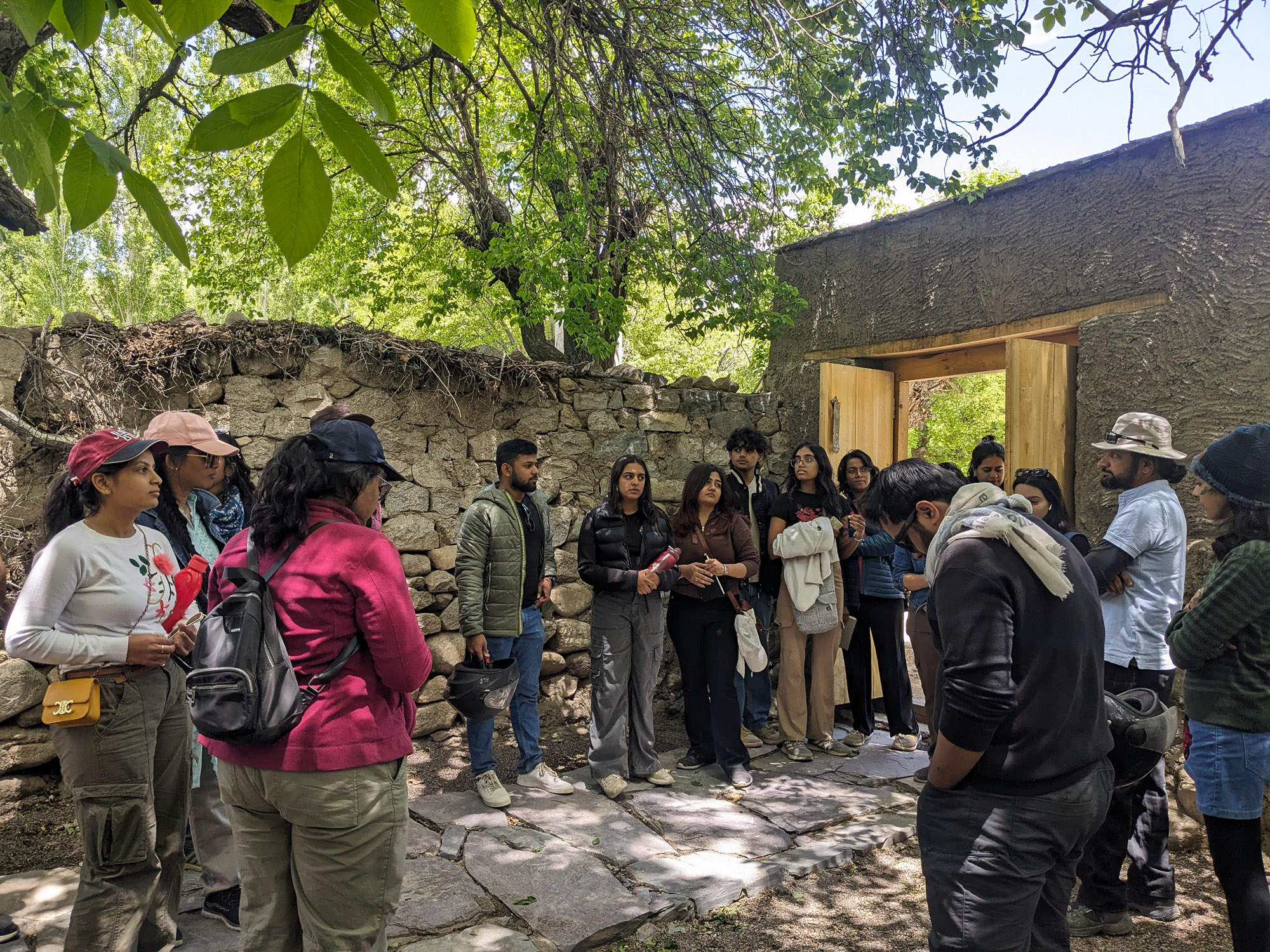
FK: Earlier, when we were at SECMOL, we organised the Sun and Earth Festival. Last year, we also had a collaboration with the Indus School of Architecture in Gujarat. This year, we collaborated with ACHI and CEPT for a summer and winter school. The collaboration was very successful in terms of the output from the students. What we were trying to do was create a workshop where students could come, observe things, and also participate in the design process by reflecting on paper about what they were absorbing and learning.
It was not just about documenting something and then going back. Instead, it was about engaging with the context and developing interesting ideas and iterations through that process.
SP: As part of the design process, when we are working with a certain set of criteria that remain very much in focus, whether it is a particular geometry, certain dimensions, or a lineage of thoughts and clarity of ideas, we have observed that even when these are challenged during the design process or by external factors, the adaptability within the process helps resolve many things.
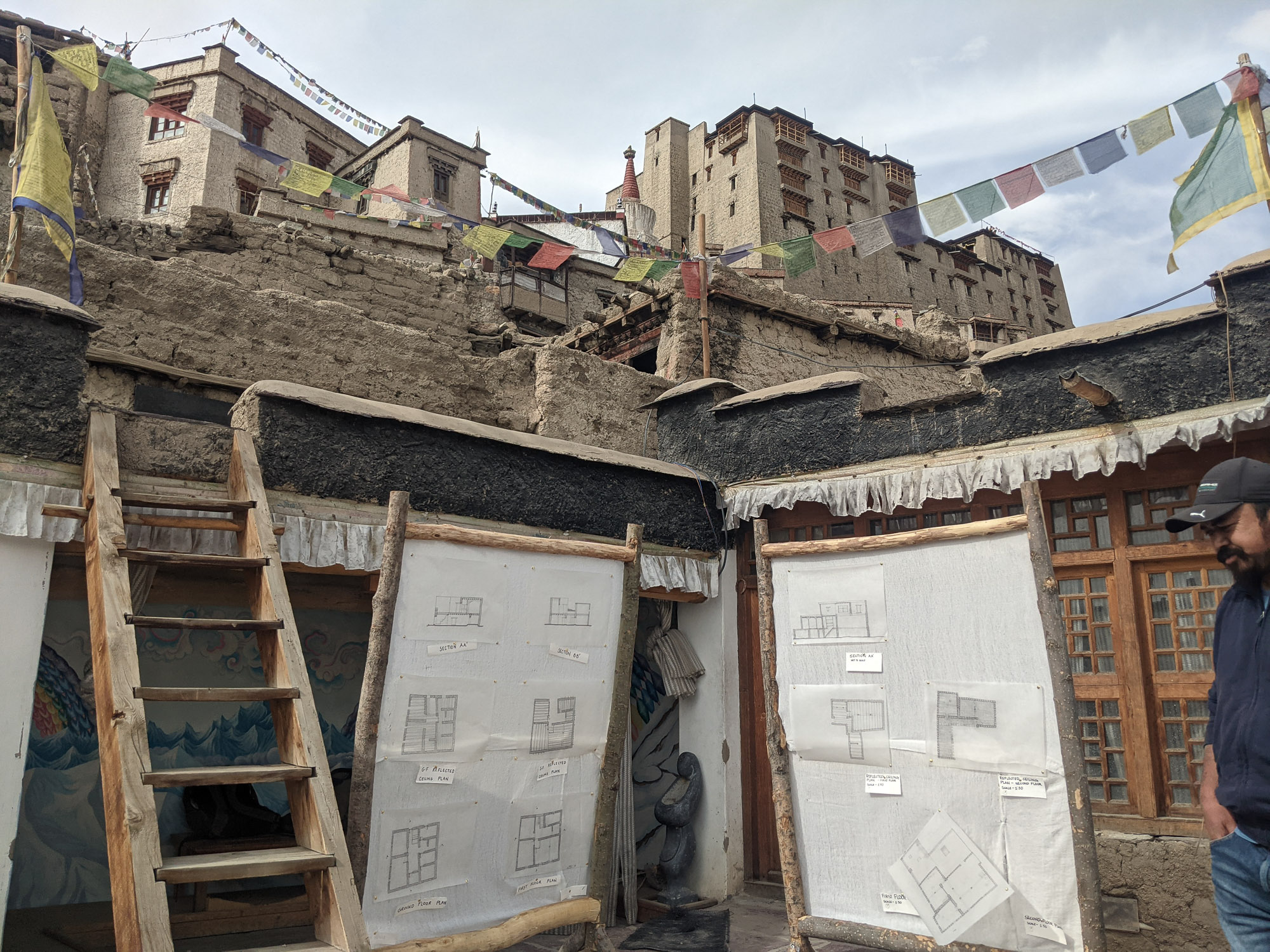
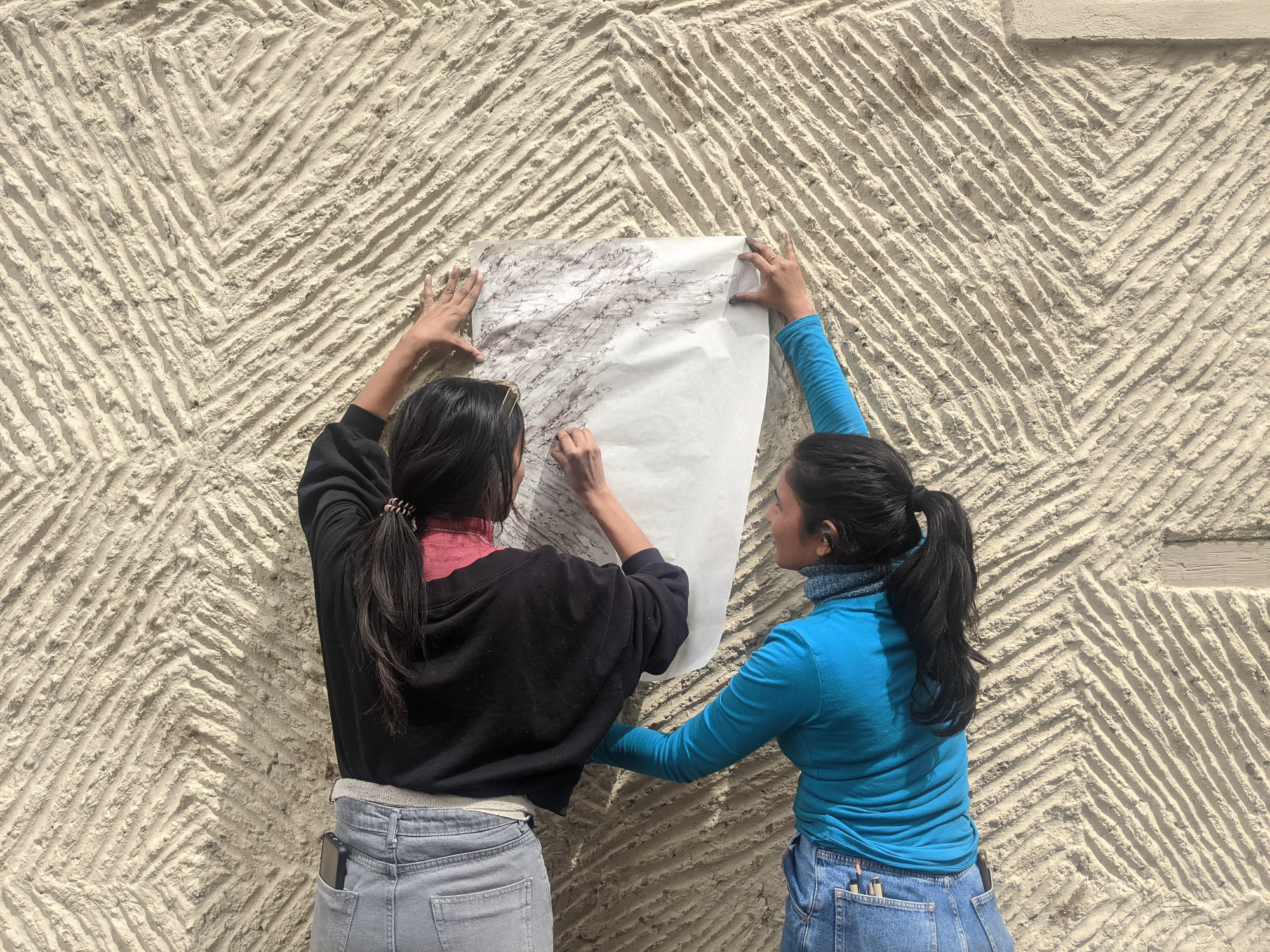
FK: The most challenging aspect is working out a good roof. Here, one can clearly see the change in climate. Every year the rainfall is increasing. Traditionally, Ladakhi vernacular architecture consisted of flat earthen roofs. If there was leakage at some point, people would simply add more soil and create a slight slope so that water would not accumulate. Now, for a project to be successful, we have to work out roof details that are more reliable and do not leak.
Another aspect of a successful project is when you enter the house and still feel rooted in the space, rooted in the context. It should respond to the client’s needs and aspirations, be modern in its approach, and yet remind you of the old houses of Ladakh.
CONTEXT
<00:54:38>
FK: In contemporary architectural practice across India, there are many interesting young practices that are going beyond the conventional ways of how an architectural practice is usually perceived. It is very inspiring and encouraging to see these new practices emerging.
FK: I think clarity, and the courage to take that step forward, is a very important aspect, especially for young practices.
Images and Drawings: © and courtsey: Field Architects
Filming: Neel Bothara
Editing: Gasper D’souza, White Brick Post Studio
PRAXIS is editorially positioned as a survey of contemporary practices in India, with a particular emphasis on the principles of practice, the structure of its processes, and the challenges it is rooted in. The focus is on firms whose span of work has committed to advancing specific alignments and has matured, over the course of the last decade. Through discussions on the different trajectories that the featured practices have adopted, the intent is to foreground a larger conversation on how the model of a studio is evolving in the context of India. It aims to unpack the contents, systems that organise the thinking in a practice.
The third phase of PRAXIS focuses on experimental vectors of practice and explorative models that support thought-provoking ideas and architectural processes.
Praxis is an editorial project by Matter in partnership with Şişecam Flat Glass.

