Exploring temporal movements of a banal urbanity through a cinematic experience- composed of vivid historical footage interwoven into the everyday hustle in the life of a modern Indian citizen; the film attempts to reflect on modernity in space and time in a manner that is true to a lived experience.
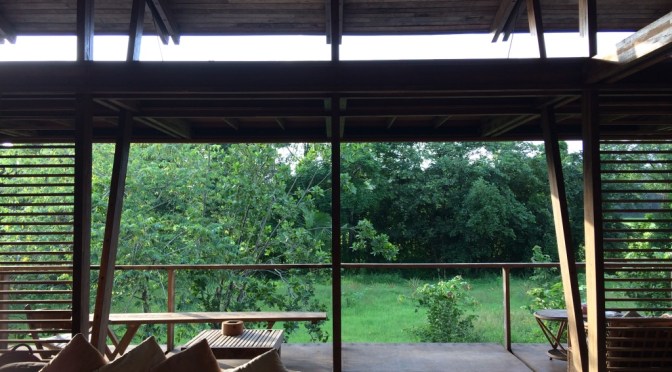
Architect Ini Chatterji’s studio and workshop – the ‘Ice Factory’, and the Coconut House coexist in the beautiful landscape of Olaulim, Goa. The images and film attempt to capture the ‘atmosphere’ of the place.
With a collection of essays on preserving our architectural heritage, Kulbhushan Jain attempts to spark the ever-passive conversation on conservation practices in India: the good, the bad and the ignored parts of it; in his recent work titled- ‘Conserving Architecture’. The compendium discusses the multifarious approaches that are needed to address the grey area between heritage and modernity, the need to find a common ground between the two. Continue reading Book: CONSERVING ARCHITECTURE BY KULBHUSHAN JAIN [Ed]→
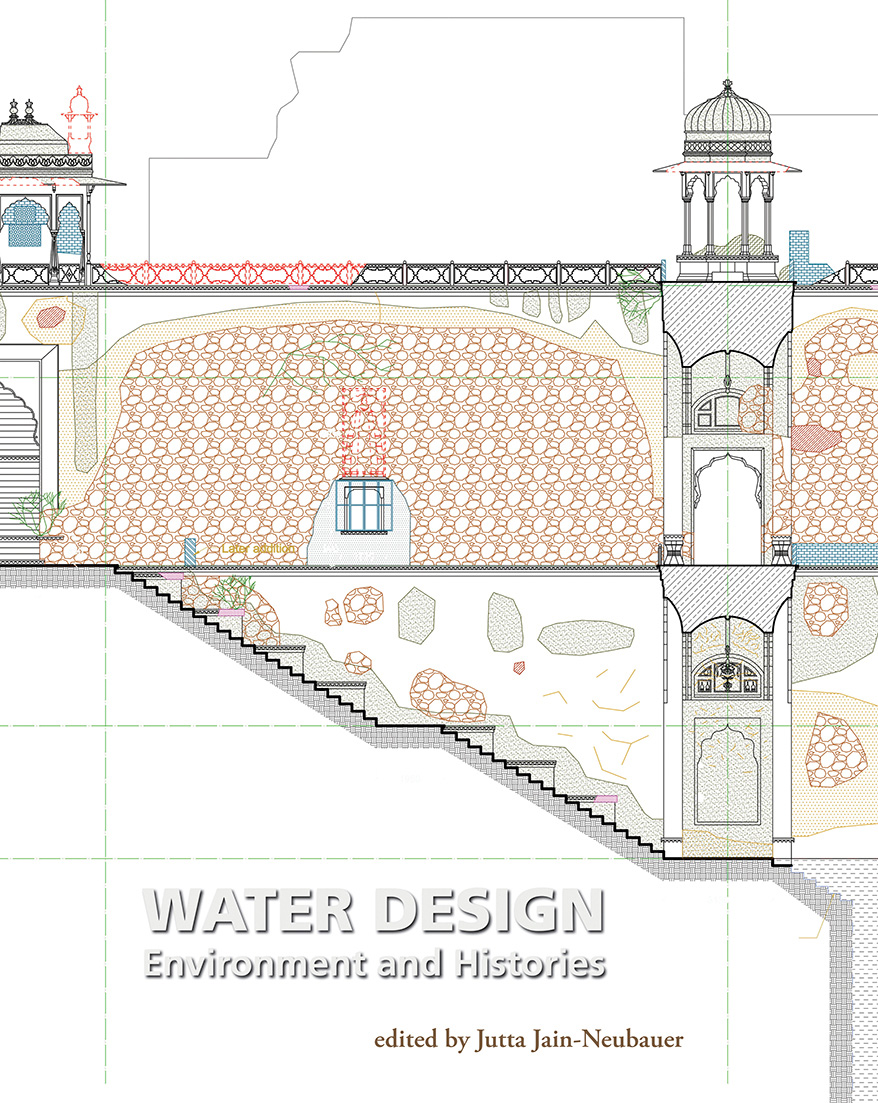
Indian waters and waterscapes are replete with political ambitions, cultural affinities, environmental compulsions, and mythology. From the ornate subterranean water structures of Bundi in south-eastern Rajasthan to the unique Vasanta-Mandapas or the spring pavilions of Tamil Nadu; the book is an account of water histories woven into the landscapes of different time periods in Indian History.
“Architecture negotiates space, it designs space. When it engages with water, it designs water.”– Jutta Jain-Neubauer
At its core, Water Design: Environment & Histories explores this intrinsic relationship between water and space in India – the negotiations in built and unbuilt space, in social, ritual and sacred space, in real and metamorphic space. Looking at the structural and aesthetic figurations of water and waterscapes, it opens discussions within a larger cultural and spiritual worldview of these rich ensembles. Continue reading Book: Water Design : Environment and Histories | Edited by Jutta Jain-Neubauer→

![Book: CONSERVING ARCHITECTURE BY KULBHUSHAN JAIN [Ed]](https://thinkmatter.in/wp-content/uploads/2017/09/cover1.jpg?w=672&h=372&crop=1)

 thinkMATTER