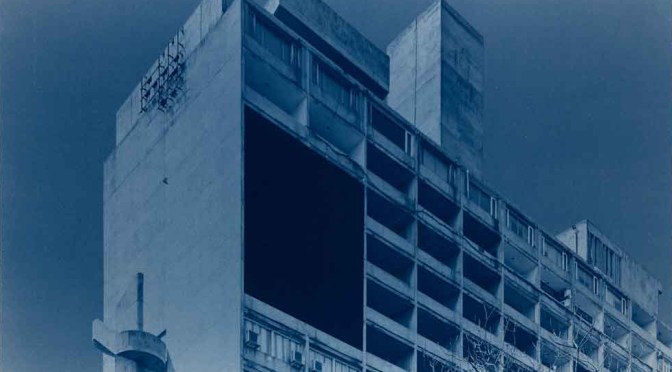
In conversation with photographer Randhir Singh, we discuss the critical aspects behind the cognisance of capturing a pertinent architectural photograph, as well as the methods which assist the process.
The following text is the edited transcript from the conversation with Randhir Singh, conducted on February 10th, 2021
Chapter 01: ORIGINS [00:20]
Part I – Education [00:27]
I studied architecture – in the US – and I worked as an architect for fifteen years, in New York. While I was working there, I started photographing the projects that our office was doing, (and) I photographed projects that my friends were doing, and it built that way. In college, I did a semester abroad in Italy, and that was actually the first time I really made pictures with any sort of seriousness. I had a little Cannon film camera, and we traveled all over the country and spent a lot of time in Rome.
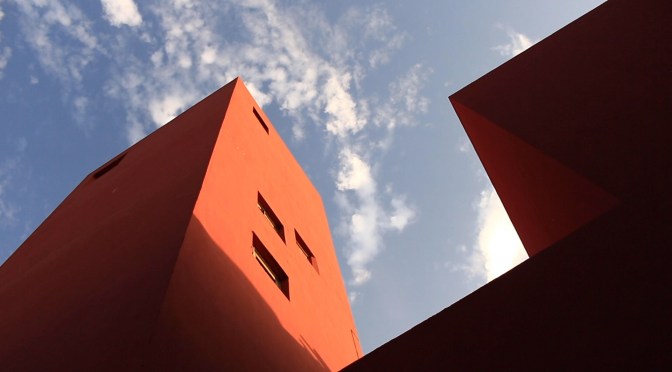
Designed in 1986 by Charles Correa, the Jawahar Kala Kendra in Jaipur is of critical significance for the Post-Independence architecture of India. Imagined as a metaphysical echo of the city of Jaipur itself, the building represents Correa’s interest in the abstract, mythical dimensions of architecture and the power of their manifestation in a civic building.
Film and Text: Aman Amin Analytical Drawings : Studio Matter; Plan of JKK traced over original.
A Point in the Universe
Programmed and built as a National Cultural Institution, the Jawahar Kala Kendra is a testament of the everyday in the City of Jaipur. Reinterpreted from Jai Singh’s plan for the Jaipur City, Correa’s manifestation allows for interpretation of the form and programme – inviting the people and the city to a familial occurring.
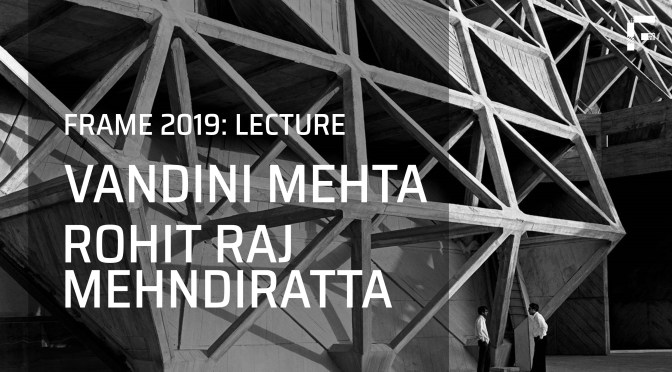
A Recorded Lecture from FRAME Conclave 2019: Modern Heritage
In this lecture, Rohit and Vandini talk about Mahendra Raj’s journey as a Structural Designer. They also provide an in-depth insight into the structural expressiveness, innovations and elements that allowed for new spatial possibilities in his illustrious body of work.
Edited Transcript
To talk about the works of Mahendra Raj, we have titled the work, “Structural narrative of Indian Modernity as an oeuvre of Mahendra Raj” as you will see, inflects and contributes, and helped create many artefacts that pioneer the narrative of Indian Architectural Modernism post-independence.
In this presentation, we will discuss only a few of Raj’s most important projects from over 250 projects that he has realised in the last six decades. Each project that we have chosen shows a visionary and pioneering engineering solution, exemplifying the bold and adventurous innovations his practice engaged in. As we discuss these works, the underlying story that emerges is of transnational exposures and exchanges of brilliant architectural and engineering minds, Le Corbusier and Louis Khan experimenting in India, Indian architects and engineers travelling West and coming back to engage with each other and local systems, we feel, created a fertile environment and incubator of sorts for new ideas that defined Indian Modernism.
Raj’s interest in structure started in 1951 when he was appointed as the Assistant Design Engineer for the construction of Chandigarh’s High Court. The geometric parasol roof consisting of shells presented the engineers with bold structural and functional hurdles. Working with other engineers, he, with his senior Gulzar Singh proposed modifications, that of a balanced cantilever, that supported on two columns, the fins that we now see which made the construction possible. This is what Corbusier wanted, and this is what finally came about from there.
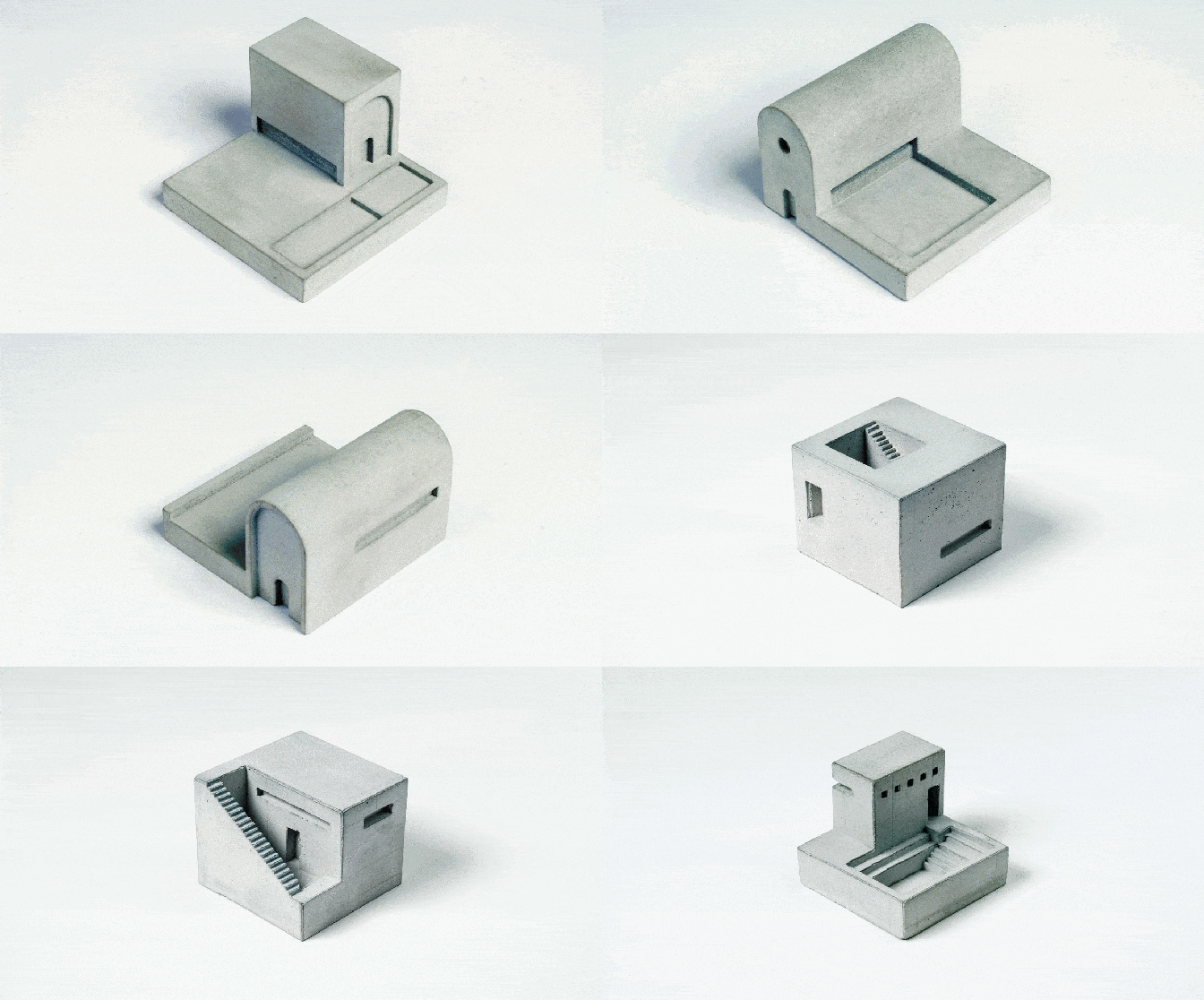
Founded by Nitin Barchha and Disney Davis with their shared passion for design, the Mumbai-based practice ‘Material Immaterial Studio’ indulges in the sheer joy of crafting and the process of experimenting with the character of materials. The studio forges unconventional handmade curiosities which appeal to the architectural intellect as reductions of spatial scale by “exploring the bare beauty of materials”.
Every once in a while, one entertains an idea of a peculiar venture; the grounds of which tend to be less pragmatic and more whimsical. While these ideas end before they take off, Nitin and Disney fostered their fascination with materials into a unique endeavour which celebrates craftsmanship. Continue reading Material Immaterial Studio→
Situated in the midst of a vast arid expanse in Kutch, the architecture of Khamir Crafts Resource Centre in Kukma is one of participation in the celebration of the crafts from the region. Designed to facilitate a network with the artisans by responding to their way of life and work, the place builds upon the complex cultural relationships therein.