A CONVERSATION ACROSS CULTURES
Swissnex / SwitzerlandandIndia75
JN Tata Auditorium
Indian Institute of Science1
Bangalore / 22nd February 2024
Swiss architect and Pritzker Prize Winner Peter Zumthor in conversation with Bengaluru-based Architect Bijoy Ramachandran.
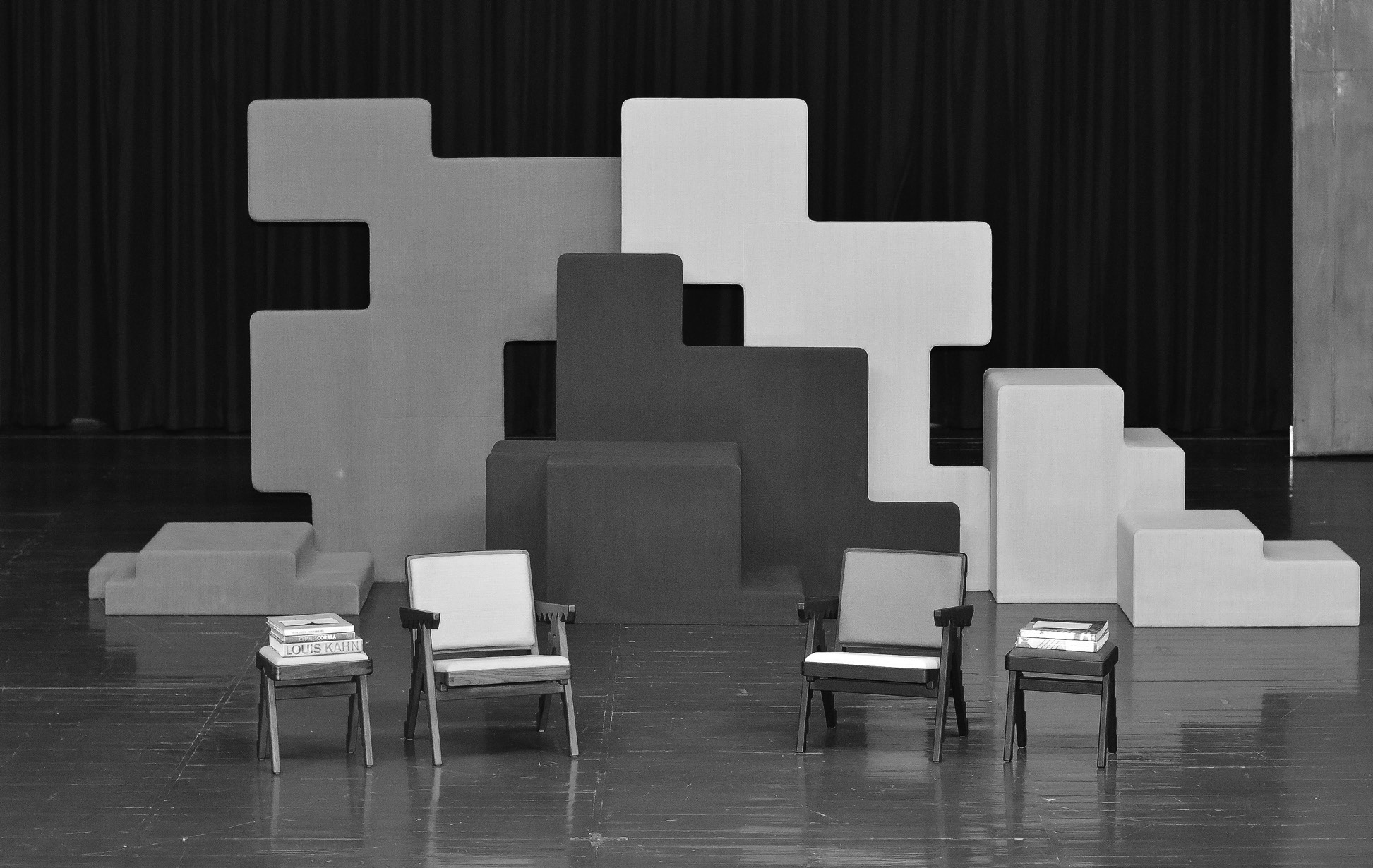
Swissnex in India, in collaboration with SwitzerlandIndia75, hosted the two renowned architects to discuss bilateral perspectives on architecture in an open format. This was a rare opportunity for architects and architecture enthusiasts to witness a cross-cultural exploration of ideas. As Switzerland and India celebrate 75 years of diplomatic relations, this conversation was a significant milestone for Bengaluru’s design scene, fostering cultural exchange and collaboration in the field of architecture. This was an evening of intellectual discourse as these two architects wove a tapestry of diverse influences that shape the world of architecture.
Continue reading Dialogue: Peter Zumthor and Bijoy Ramachandran
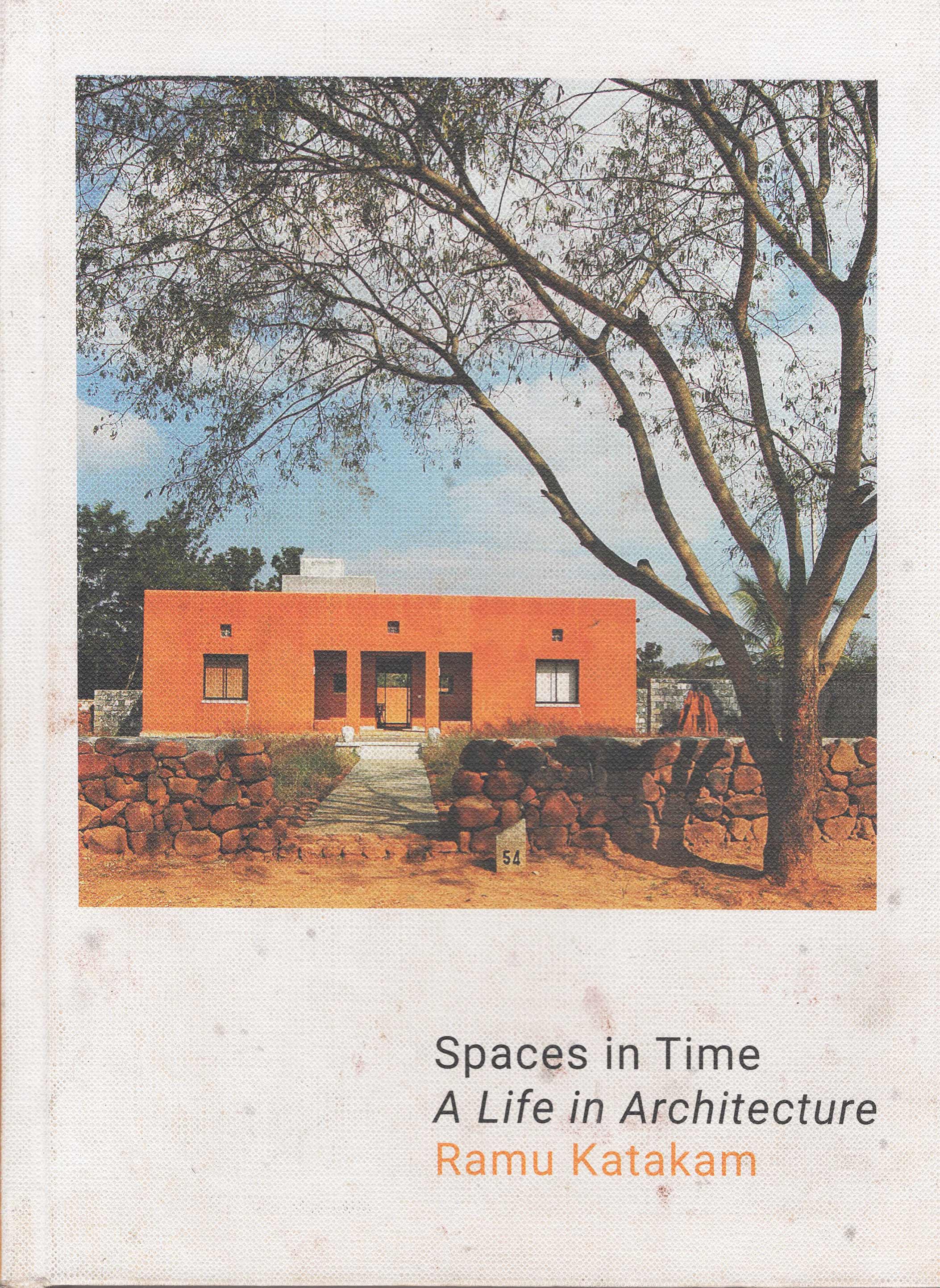
![[BOOK] Spaces in Time: A Life in Architecture by Ramu Katakam](https://thinkmatter.in/wp-content/uploads/2024/03/240319_spaces-in-time-header_revised.jpg?w=672&h=372&crop=1)

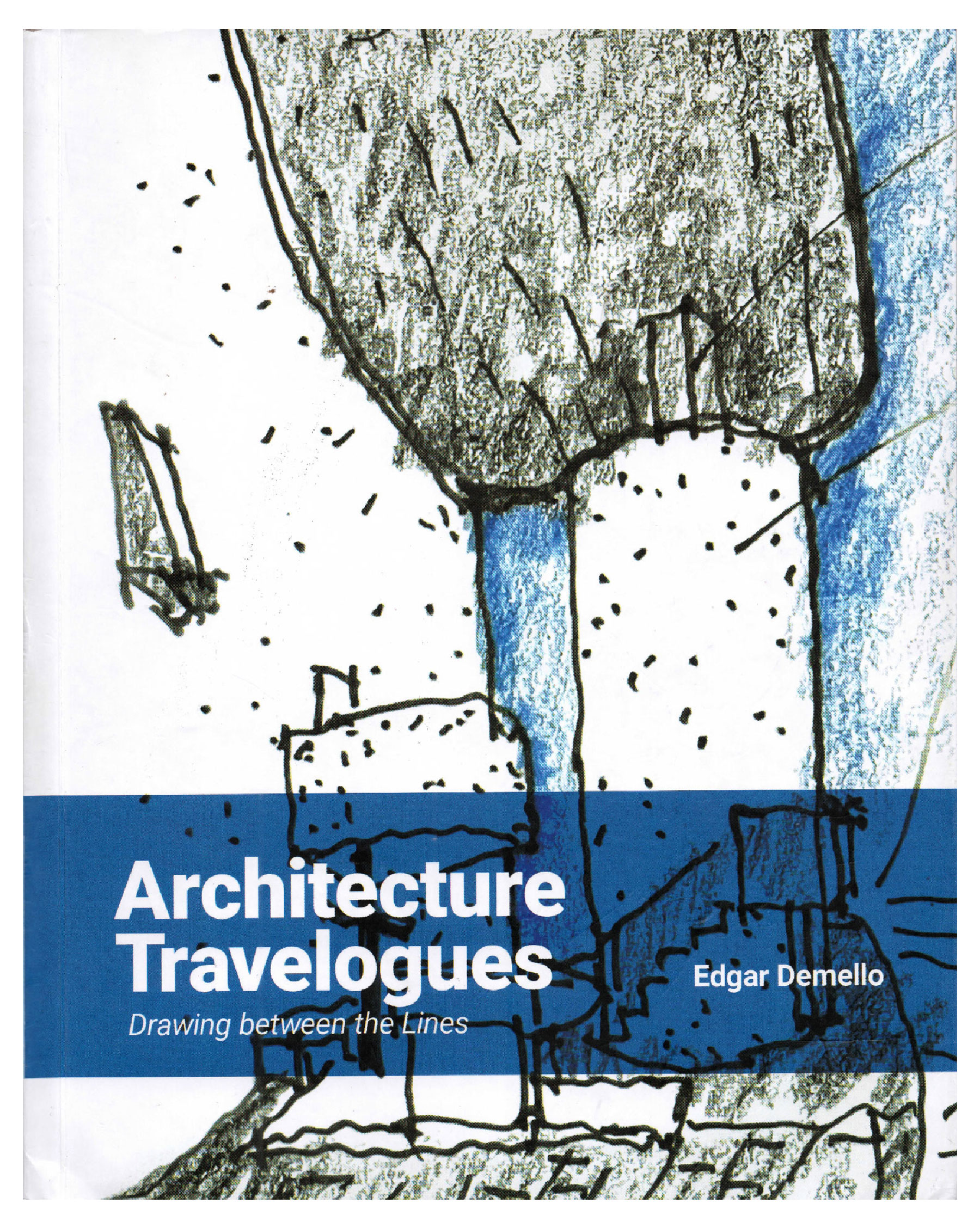
![[BOOK] Architecture Travelogues: Drawing between the Lines by Edgar Demello](https://thinkmatter.in/wp-content/uploads/2024/03/240319_architecture-travelogues-header.jpg?w=672&h=372&crop=1)