Category Archives: Modern Heritage

MODERN SOUTH ASIA | KALA ACADEMY GOA

MODERN SOUTH ASIA
A Visual Archive of South Asia’s Modernist Heritage


The Modern South Asia (MSA) series is dedicated to exploring modern architecture of historic importance in South Asia through photography-based books. The series will focus on architecture from the 20th century, designed and built by regional and international architects. Each book will provide the reader with an in-depth visual exploration of the architecture through contemporary photographs, architectural drawings, and newly commissioned writing by architects, thinkers, and academics. 

The MSA series is edited and photographed by Randhir Singh. The project is supported and published by Arthshila Trust.


The Street As Stage: Charles Correa’s Kala Academy Goa

Essay by Rohan Shivkumar
Photographs by Randhir Singh
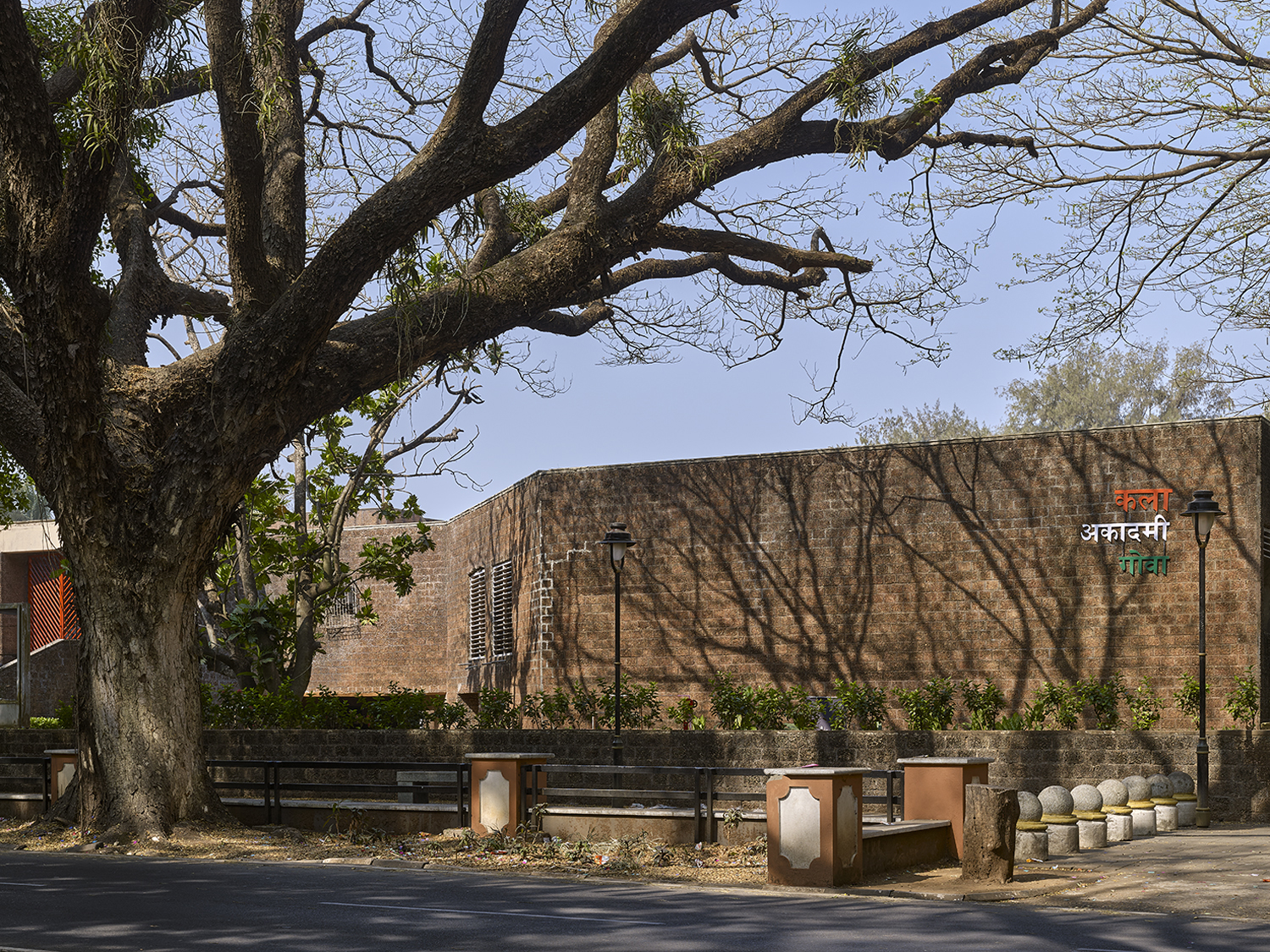
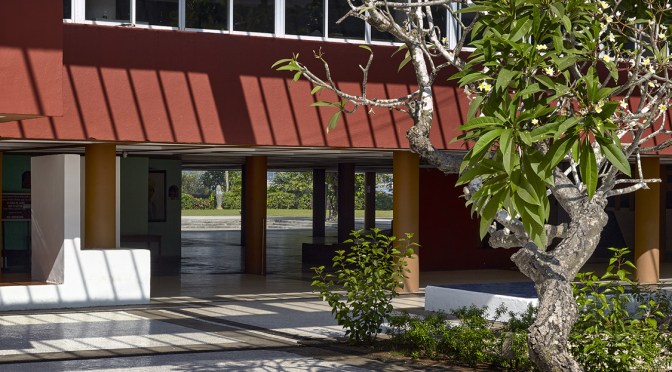
This could be a sequence from a Buster Keaton silent-era comedy. One summer evening, a man is sitting on the edge of the river, sipping his coffee. There is a warm breeze drifting over the water as the sun sets. He hears the gentle strains of a piano playing Beethoven’sMoonlight Sonata’ over the sound of the waves lapping the shore. Caught in its spell, he walks towards the music. He must find out who is playing. In a daze, humming to himself, he climbs the steps of an amphitheatre to a blue-tiled terrace. In one of the rooms, he sees a woman playing the piano. A student stands over her shoulder watching her hands. The man wants to get as close as he can to the music. He walks straight towards her and collides directly into a pane of glass. The glass shatters. He falls. Everyone rushes to help him – the piano teacher, the watchmen of the building and other people enjoying the evening breeze off the river. Befuddled, he sits up. Luckily, he is not injured. Only his nose is a little bruised, and so is his pride.

Continue reading MODERN SOUTH ASIA | KALA ACADEMY GOA
The Architecture of Golconde

Pankaj Vir Gupta

A Recorded Lecture from FRAME Conclave 2019: Modern Heritage


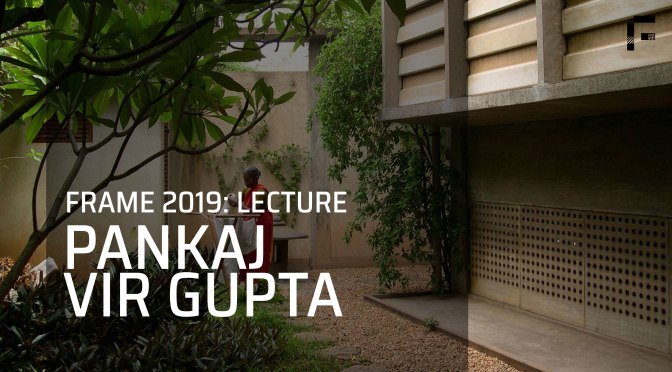
In this lecture, Pankaj Vir Gupta discusses the conception of Sri Aurobindo Ashram in Pondicherry. Gupta delves into the architectural history of this structure, highlighting its pioneering use of concrete in India. He recounts his personal experiences at Golconde, sharing vivid details about the architecture and its unique features.

Edited Transcript

It is a particular privilege to be presenting a project with which we started our practice in 2003 and in the office archives, this is project 001 (referring to image 01). So, this morning to wake everyone up, I think it is important to understand why we are here to talk about this building and I will try and make it as energizing for you as possible.

My name is Pankaj Vir Gupta, and with my partner, Christine Mueller, I run a practice in New Delhi called Vir-Mueller Architects. I am also a professor of architecture at the University of Virginia, where I run what is called the Yamuna River Project, a multi-disciplinary research project, looking at ecology and urbanity in the megacities of the world. But to go back to how we started our practice, I was leading a study abroad program with some students from the University of Texas and we happened to be visiting Pondicherry, to look at the urban fabric of the city (referring to image 02), and we came across this extraordinary building (referring to image 02) and it was a surprise to me personally, because in several years of architectural education and research, I had never come across this building in any writing or any publication, at least not in the curricular work that we had been exposed to in our education.

Continue reading The Architecture of Golconde

MODERN SOUTH ASIA | National Cooperative Development Corporation

MODERN SOUTH ASIA
A Visual Archive of South Asia’s Modernist Heritage


The Modern South Asia (MSA) series is dedicated to exploring modern architecture of historic importance in South Asia through photography-based books. The series will focus on architecture from the 20th century, designed and built by regional and international architects. Each book will provide the reader with an in-depth visual exploration of the architecture through contemporary photographs, architectural drawings, and newly commissioned writing by architects, thinkers, and academics. 

The MSA series is edited and photographed by Randhir Singh. The project is supported and published by Arthshila Trust.


NATIONAL COOPERATIVE DEVELOPMENT CORPORATION (NCDC)
Kuldip Singh, Mahendra Raj

COLLABORATIVE INVENTION AND THE ETHIC OF FRUGALITY: National Cooperative Development Corporation

Essay by Amit Srivastava & Peter Scriver 
Photographs by Randhir Singh

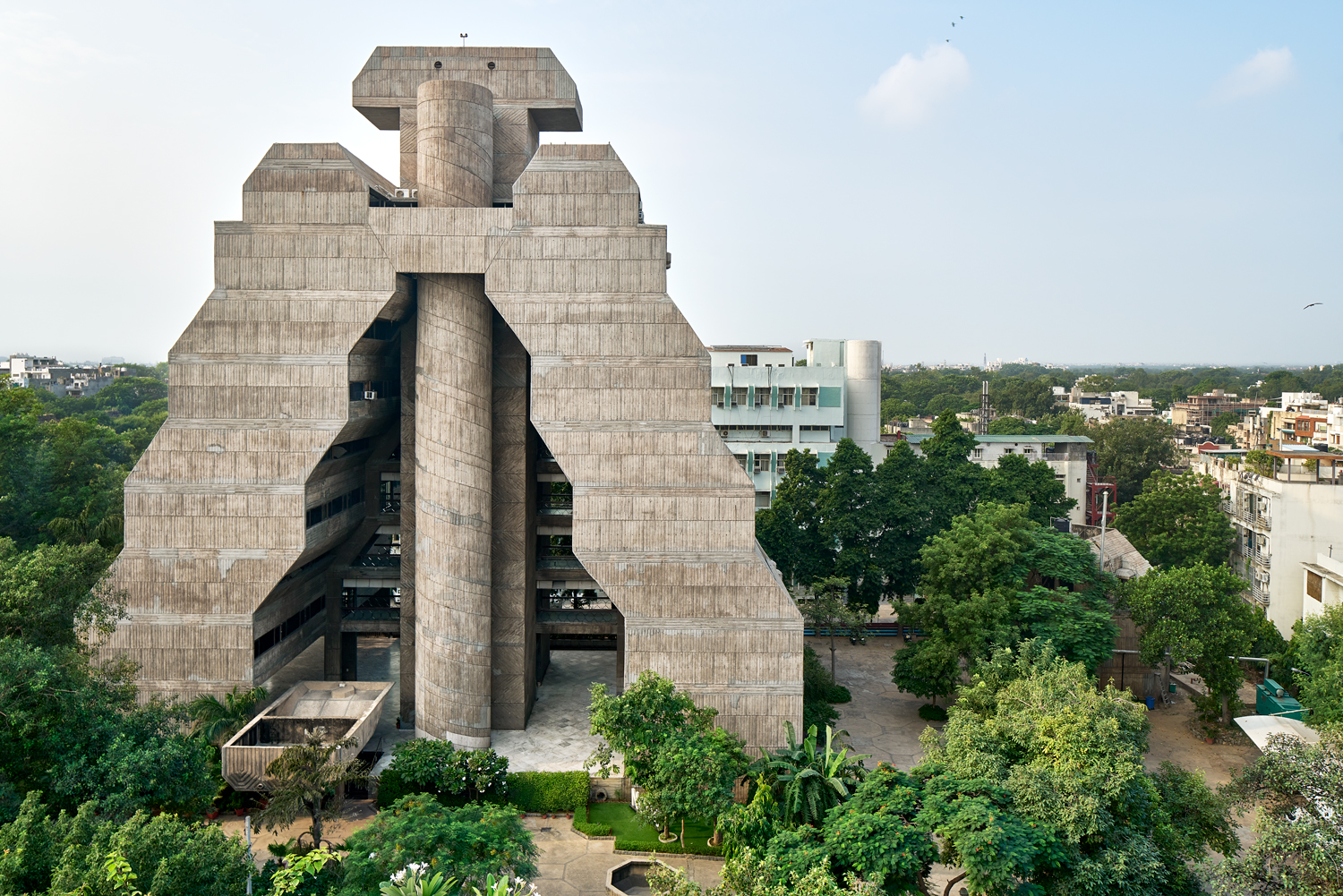
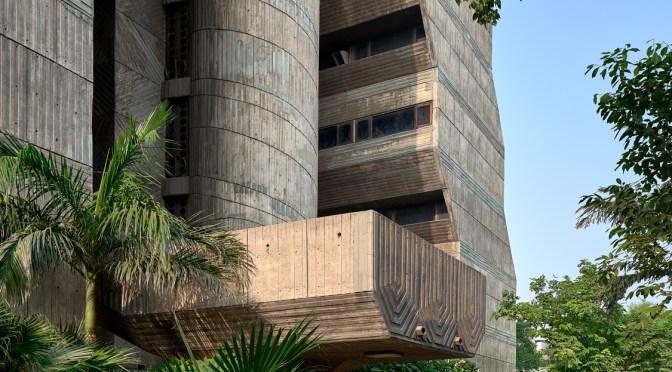
When it was built in the southern outskirts of metropolitan Delhi in the late 1970s, the National Cooperative Development Corporation (NCDC) headquarters was one of the relatively few new buildings that stood out, or even above, the sea of low-rise residential development that was then just beginning to expand the national capital beyond its first ring of post-colonial suburbs. But this was not just a taller structure and far from a merely generic modern office block. ‘Architecture’, modern or not, was still a relatively unfamiliar concept that few of the uninitiated public understood to apply to anything less exalted than the monumental tombs and ruined historic forts and palaces that dotted Delhi’s urban hinterland, such as in the neighbouring Siri Fort area. If ‘engineering’ had any better grip on the popular imagination, it was understood to be the equally heavy but more utilitarian stuff of infrastructure and industry that was progressing and building the young Indian nation’s economic capacity. Yet there was something about this strange, almost ungainly concrete edifice that defied categorisation; it was both monumental and ingeniously light-footed at the same time. Growing up in South Delhi in the 1990s, where the NCDC offices stood opposite the gates of the housing colony in which one of the present authors lived, it was the first and most conspicuous example to which an untutored prospective student of architecture could look with both awe and fascination.

Continue reading MODERN SOUTH ASIA | National Cooperative Development Corporation

MODERN SOUTH ASIA | Indian Institute of Management Bangalore

MODERN SOUTH ASIA
A Visual Archive of South Asia’s Modernist Heritage


The Modern South Asia (MSA) series is dedicated to exploring modern architecture of historic importance in South Asia through photography-based books. The series will focus on architecture from the 20th century, designed and built by regional and international architects. Each book will provide the reader with an in-depth visual exploration of the architecture through contemporary photographs, architectural drawings, and newly commissioned writing by architects, thinkers, and academics. 

The MSA series is edited and photographed by Randhir Singh. The project is supported and published by Arthshila Trust.


The Campus as a Garden:
Doshi’s Indian Institute of Management Bangalore

Essay by Kazi Khaleed Ashraf
Photographs by Randhir Singh

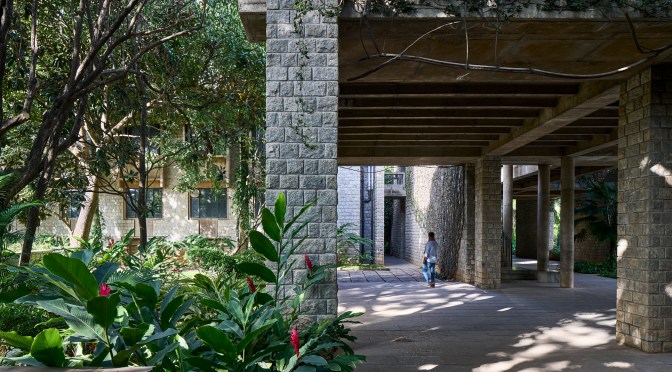
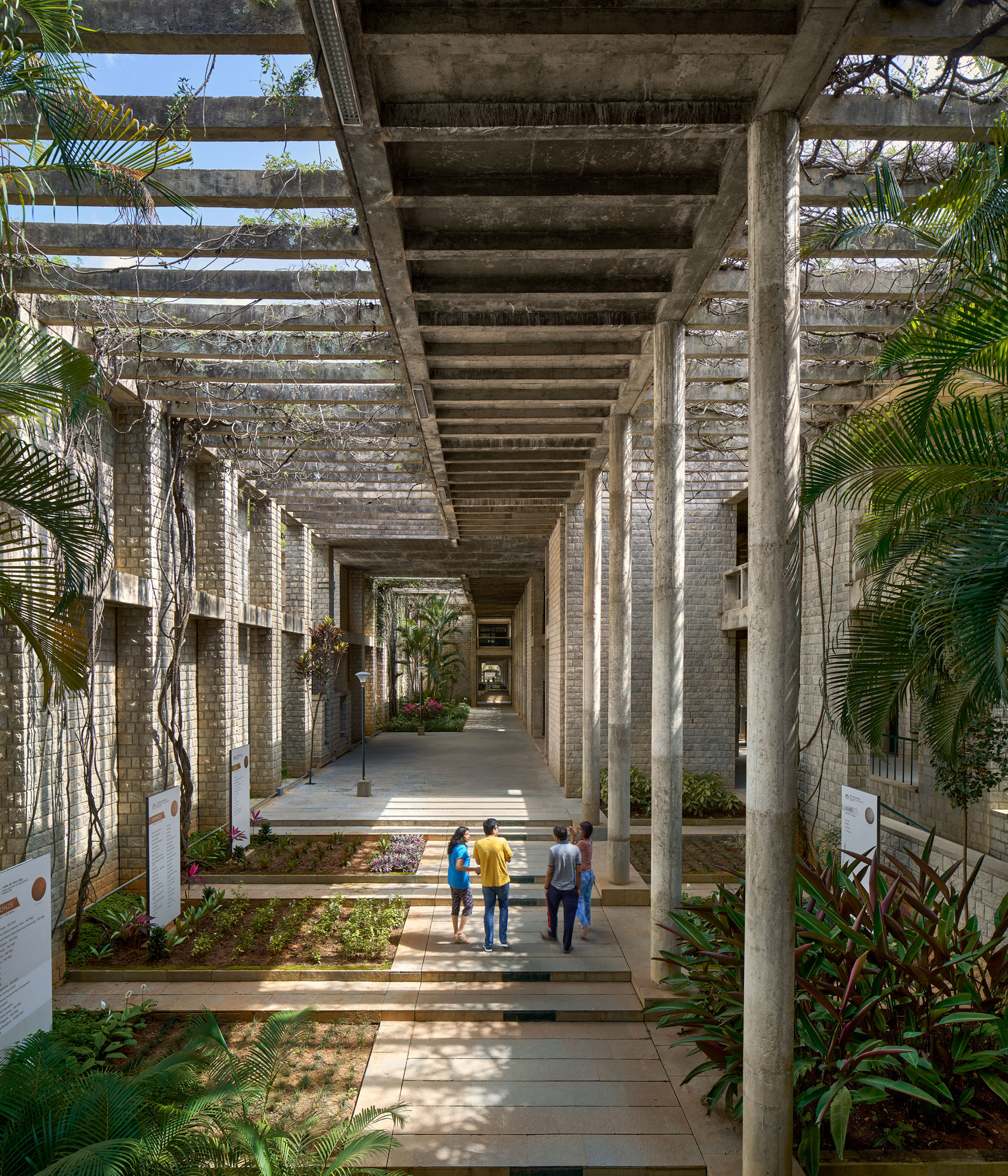
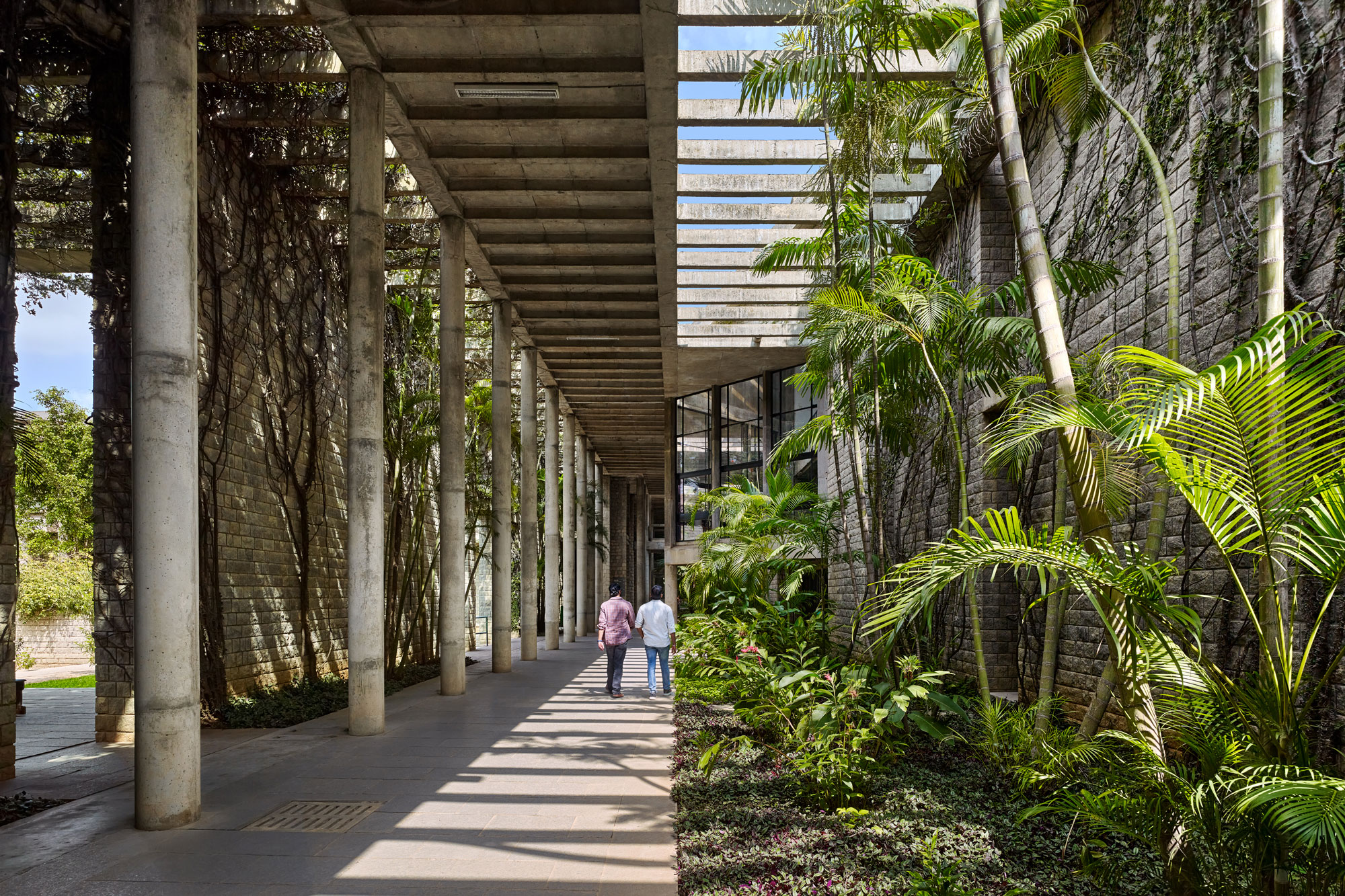
Speaking to a group of students at the campus in 2014, Balkrishna Doshi characterised the Indian Institute of Management Bangalore (1983) as not a building. “Can you ‘see’ IIMB as a building?” he asked.[1] In saying this, Doshi was emphasising that not only is IIMB not a building, but the typical components of a building had also receded from view. “It is not visible because nature has taken over – so you see a wall here, a pillar there”. The project at IIMB sits against the predominant practices of producing spectacular or robust buildings, and ushers in the principles of what I describe as an architecture of complexity.

Continue reading MODERN SOUTH ASIA | Indian Institute of Management Bangalore

NID’s Early Years: An Indian Experiment of Global Relevance

Ashoke Chatterjee

A Recorded Lecture from FRAME Conclave 2019: Modern Heritage


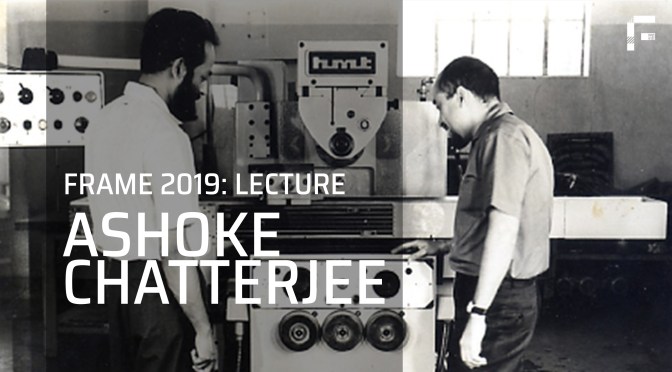
In this lecture, Ashoke Chatterjee talks about the inception of the National Institute of Design in Ahmedabad, its formative years, the pedagogy provided to the students, the experiments with the curriculum, the challenges, successes, and failures it faced in becoming the ‘world-class’ institute it sought out to be today.

Edited Transcript

I am delighted to have this opportunity to be back in Goa after forty-one years. The last time I came here, it was to assist the Government of Goa with a study of its ‘carrying capacity’ for tourism: how would Goa manage the growth of tourism in coming years? This might mean tough decisions of planning and control. I need not tell you that my report was trashed long before the Hall of Nations. Goa is clearly still struggling with those issues, but it is good to be back. I am grateful to the organizers, to FRAME Conclave for inviting me.

Let me start by indicating that this talk will be a very personal view of one part of contemporary Indian design history. It will focus on the experience of one institution, the National Institute of Design, its educators, and those who studied there. It will cover some years of a larger institutional history as well as design in modern India. Yet NID has been a catalyst, so it is valid to draw on an experience which has been unique not only in India but in a global context.

Continue reading NID’s Early Years: An Indian Experiment of Global Relevance