Category Archives: Modern South Asia

MODERN SOUTH ASIA | ACHYUT KANVINDE: INDIAN INSTITUTE OF TECHNOLOGY KANPUR 1959-1966

MODERN SOUTH ASIA
A Visual Archive of South Asia’s Modernist Heritage


The Modern South Asia (MSA) series is dedicated to exploring modern architecture of historic importance in South Asia through photography-based books. The series will focus on architecture from the 20th century, designed and built by regional and international architects. Each book will provide the reader with an in-depth visual exploration of the architecture through contemporary photographs, architectural drawings, and newly commissioned writing by architects, thinkers, and academics.  

The MSA series is edited and photographed by Randhir Singh. The project is supported and published by Arthshila Trust.


ACHYUT KANVINDE INDIAN INSTITUTE OF TECHNOLOGY KANPUR 1959-1966

Essay by Brinda Somaya and Alpa Sheth
Photographs by Randhir Singh

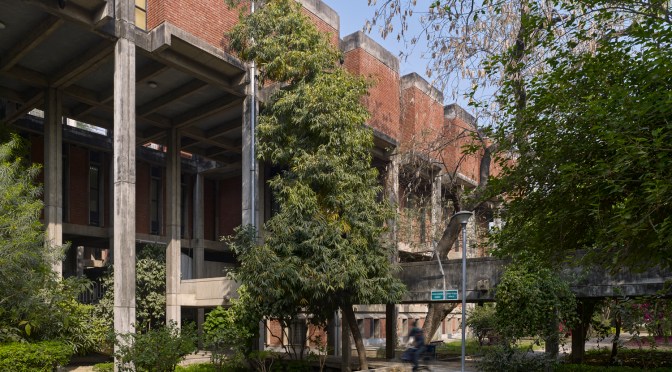
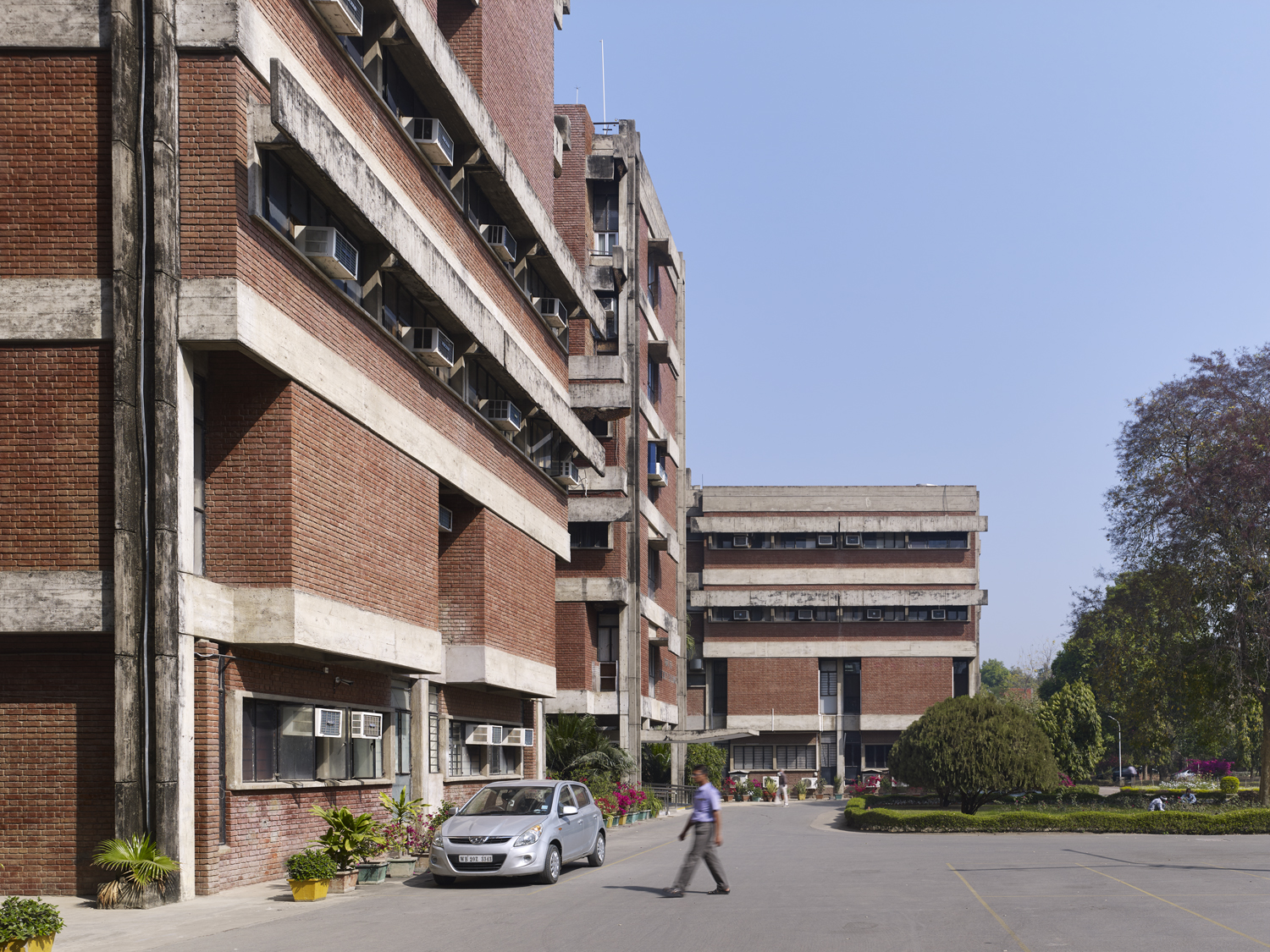
“Architect Achyut Kanvinde was a prominent figure in the world of Indian architecture from the mid-20th century onwards. His architectural designs were characterized by a unique blend of modernist principles and a deep appreciation for the local context. Kanvinde’s philosophy emphasized the harmonious integration between architectural design and structural engineering. This essay explores his design qualities and philosophy through the lens of his iconic works at the Indian Institute of Technology in Kanpur (IITK), particularly focusing on the academic core which includes the Library, the Faculty Building and the Lecture Hall Complex.

Alpa Sheth and I decided to structure this essay as a conversation. We began our discussions in the summer of 2023 (Part I) and were able to visit the campus in September. While Alpa had been to IITK prior to this, it was my first visit. Part II includes discussions we had while we were at IITK and also our conversations upon our return to Mumbai. I think the site visit was a very important decision because we needed to understand how the campus had survived, how it had changed and whether it was still relevant to the educational system of today. To experience this campus as an architect and a structural engineer, we echoed the importance that both disciplines jointly played in the formation of the buildings. The symbiotic relationship between architecture and structure is apparent, and these two elements of architecture must be read together as one entity. Credit must go to Kanvinde, Mahendra Raj, Damle and Phatak in this collaboration”.

—Brinda Somaya

Continue reading MODERN SOUTH ASIA | ACHYUT KANVINDE: INDIAN INSTITUTE OF TECHNOLOGY KANPUR 1959-1966

MODERN SOUTH ASIA | KALA ACADEMY GOA

MODERN SOUTH ASIA
A Visual Archive of South Asia’s Modernist Heritage


The Modern South Asia (MSA) series is dedicated to exploring modern architecture of historic importance in South Asia through photography-based books. The series will focus on architecture from the 20th century, designed and built by regional and international architects. Each book will provide the reader with an in-depth visual exploration of the architecture through contemporary photographs, architectural drawings, and newly commissioned writing by architects, thinkers, and academics. 

The MSA series is edited and photographed by Randhir Singh. The project is supported and published by Arthshila Trust.


The Street As Stage: Charles Correa’s Kala Academy Goa

Essay by Rohan Shivkumar
Photographs by Randhir Singh

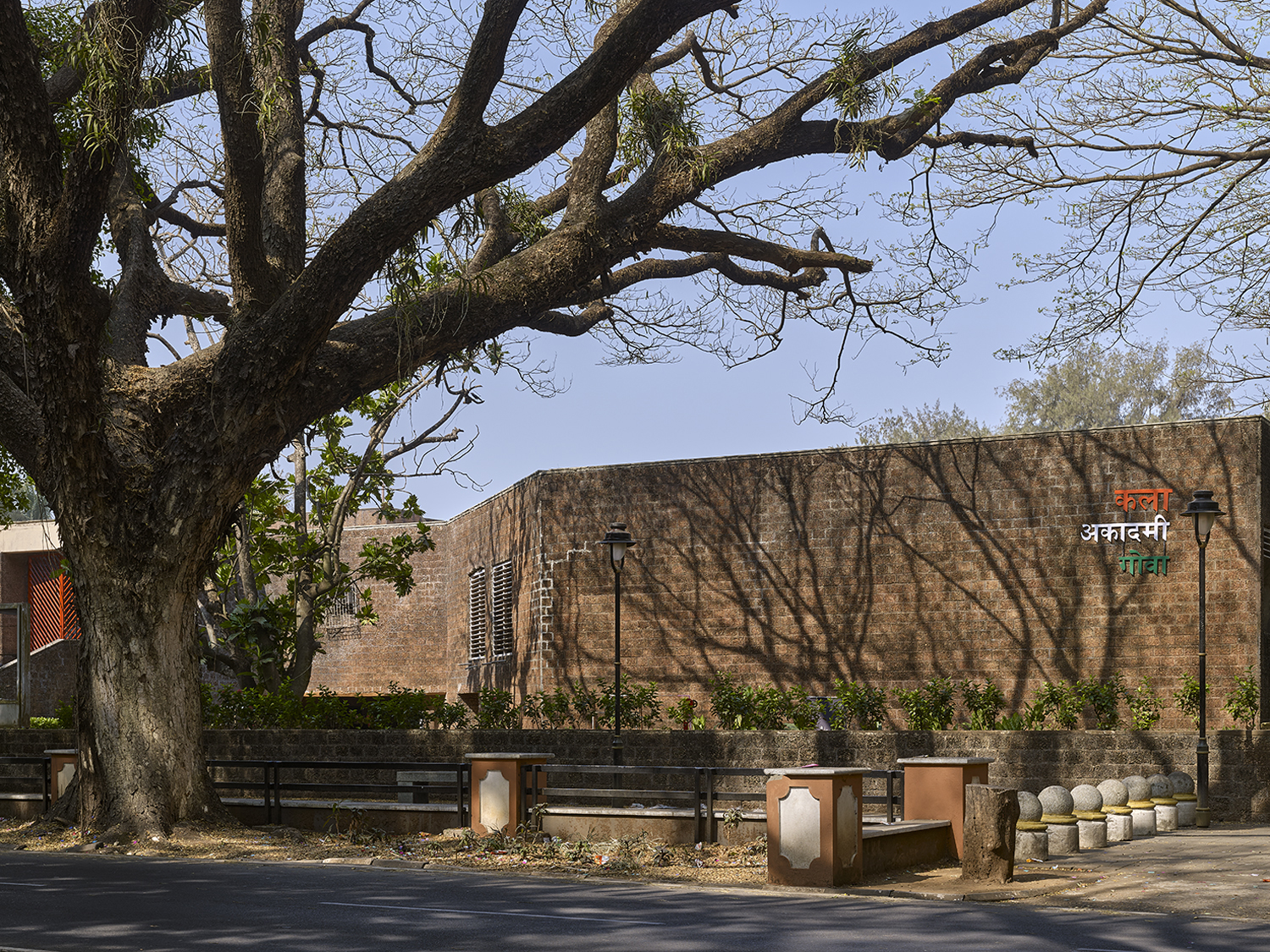
This could be a sequence from a Buster Keaton silent-era comedy. One summer evening, a man is sitting on the edge of the river, sipping his coffee. There is a warm breeze drifting over the water as the sun sets. He hears the gentle strains of a piano playing Beethoven’sMoonlight Sonata’ over the sound of the waves lapping the shore. Caught in its spell, he walks towards the music. He must find out who is playing. In a daze, humming to himself, he climbs the steps of an amphitheatre to a blue-tiled terrace. In one of the rooms, he sees a woman playing the piano. A student stands over her shoulder watching her hands. The man wants to get as close as he can to the music. He walks straight towards her and collides directly into a pane of glass. The glass shatters. He falls. Everyone rushes to help him – the piano teacher, the watchmen of the building and other people enjoying the evening breeze off the river. Befuddled, he sits up. Luckily, he is not injured. Only his nose is a little bruised, and so is his pride.

Continue reading MODERN SOUTH ASIA | KALA ACADEMY GOA

MODERN SOUTH ASIA | National Cooperative Development Corporation

MODERN SOUTH ASIA
A Visual Archive of South Asia’s Modernist Heritage


The Modern South Asia (MSA) series is dedicated to exploring modern architecture of historic importance in South Asia through photography-based books. The series will focus on architecture from the 20th century, designed and built by regional and international architects. Each book will provide the reader with an in-depth visual exploration of the architecture through contemporary photographs, architectural drawings, and newly commissioned writing by architects, thinkers, and academics. 

The MSA series is edited and photographed by Randhir Singh. The project is supported and published by Arthshila Trust.


NATIONAL COOPERATIVE DEVELOPMENT CORPORATION (NCDC)
Kuldip Singh, Mahendra Raj

COLLABORATIVE INVENTION AND THE ETHIC OF FRUGALITY: National Cooperative Development Corporation

Essay by Amit Srivastava & Peter Scriver 
Photographs by Randhir Singh

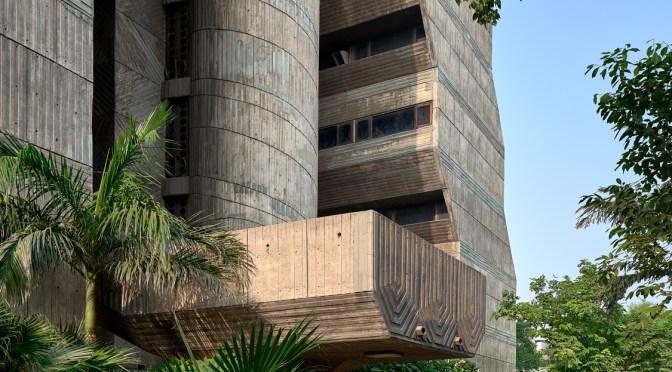
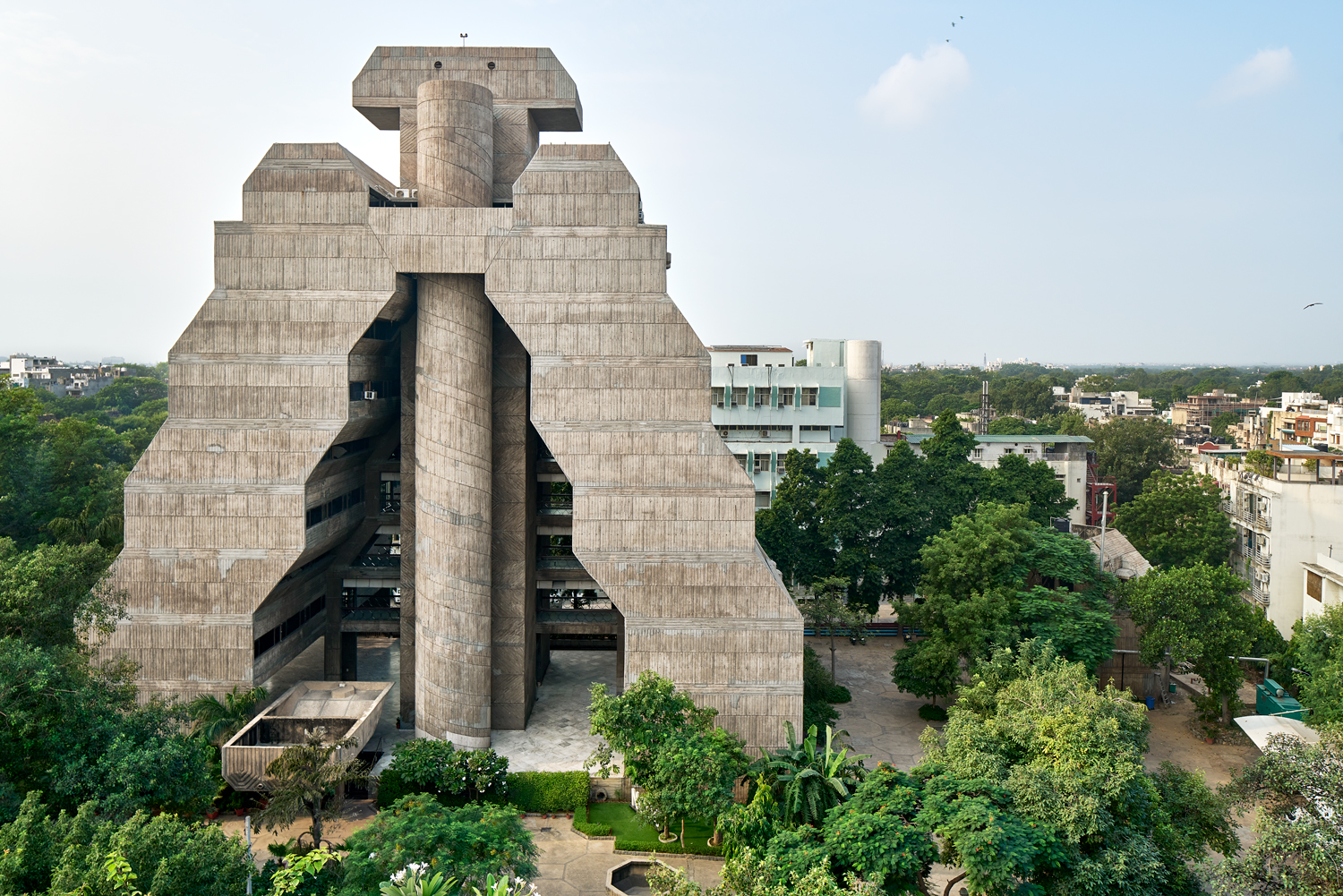
When it was built in the southern outskirts of metropolitan Delhi in the late 1970s, the National Cooperative Development Corporation (NCDC) headquarters was one of the relatively few new buildings that stood out, or even above, the sea of low-rise residential development that was then just beginning to expand the national capital beyond its first ring of post-colonial suburbs. But this was not just a taller structure and far from a merely generic modern office block. ‘Architecture’, modern or not, was still a relatively unfamiliar concept that few of the uninitiated public understood to apply to anything less exalted than the monumental tombs and ruined historic forts and palaces that dotted Delhi’s urban hinterland, such as in the neighbouring Siri Fort area. If ‘engineering’ had any better grip on the popular imagination, it was understood to be the equally heavy but more utilitarian stuff of infrastructure and industry that was progressing and building the young Indian nation’s economic capacity. Yet there was something about this strange, almost ungainly concrete edifice that defied categorisation; it was both monumental and ingeniously light-footed at the same time. Growing up in South Delhi in the 1990s, where the NCDC offices stood opposite the gates of the housing colony in which one of the present authors lived, it was the first and most conspicuous example to which an untutored prospective student of architecture could look with both awe and fascination.

Continue reading MODERN SOUTH ASIA | National Cooperative Development Corporation

MODERN SOUTH ASIA | Indian Institute of Management Bangalore

MODERN SOUTH ASIA
A Visual Archive of South Asia’s Modernist Heritage


The Modern South Asia (MSA) series is dedicated to exploring modern architecture of historic importance in South Asia through photography-based books. The series will focus on architecture from the 20th century, designed and built by regional and international architects. Each book will provide the reader with an in-depth visual exploration of the architecture through contemporary photographs, architectural drawings, and newly commissioned writing by architects, thinkers, and academics. 

The MSA series is edited and photographed by Randhir Singh. The project is supported and published by Arthshila Trust.


The Campus as a Garden:
Doshi’s Indian Institute of Management Bangalore

Essay by Kazi Khaleed Ashraf
Photographs by Randhir Singh

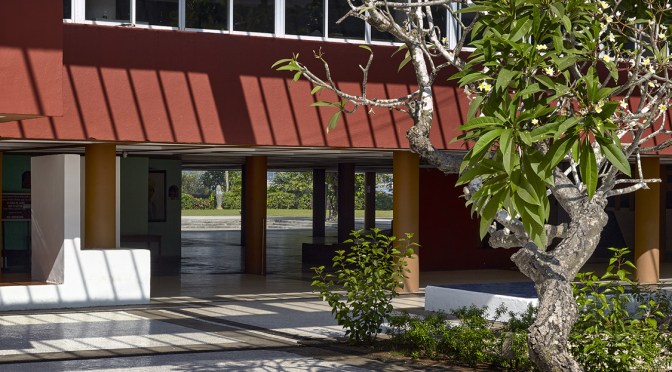
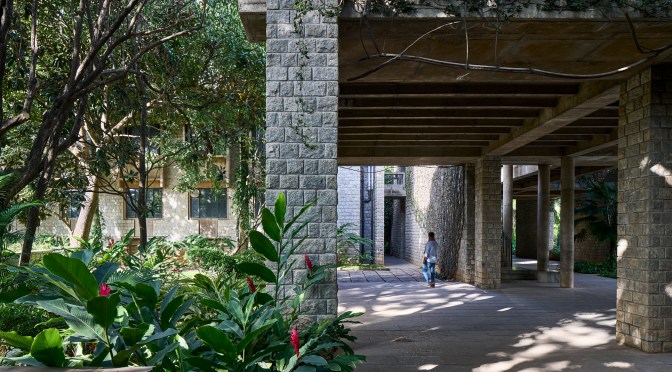
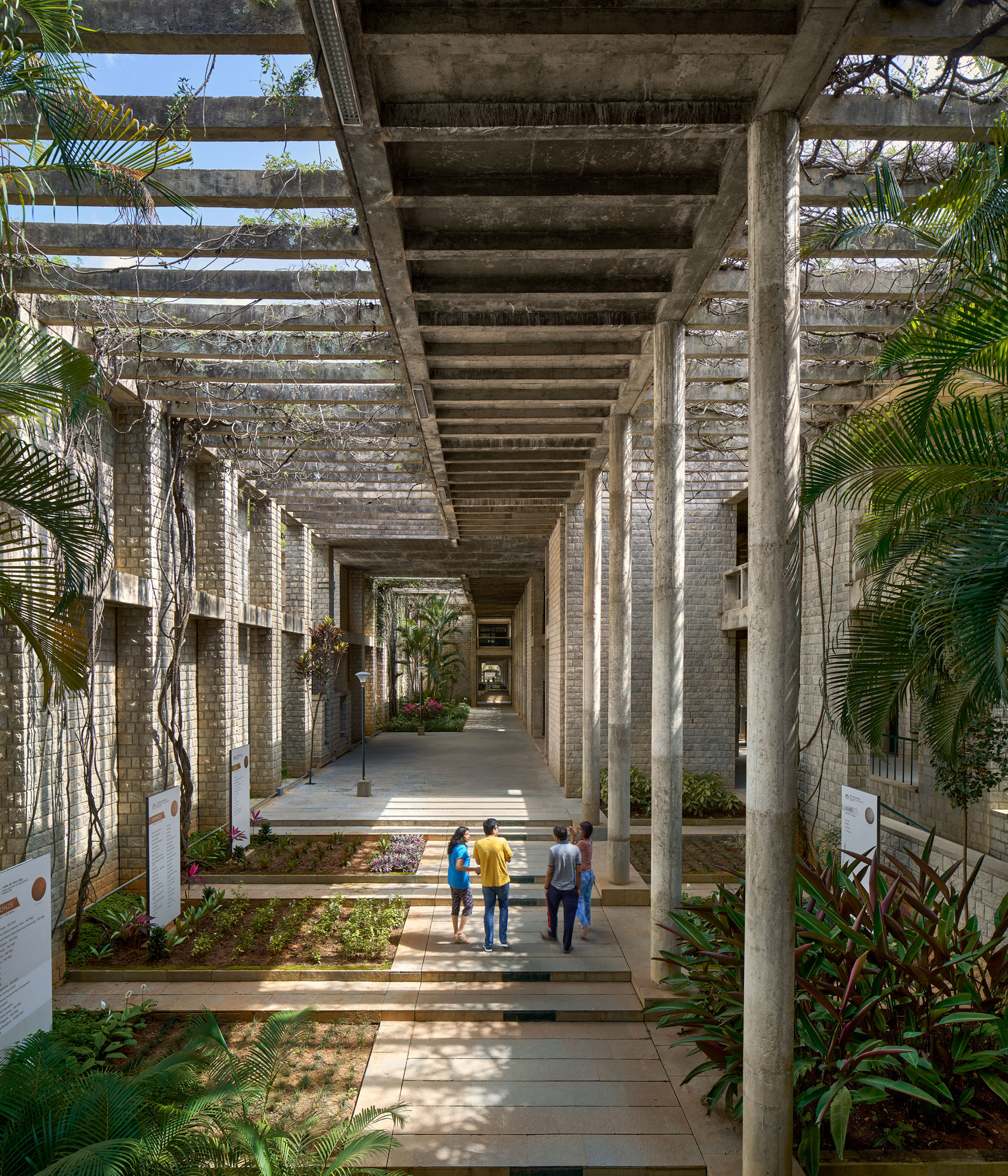
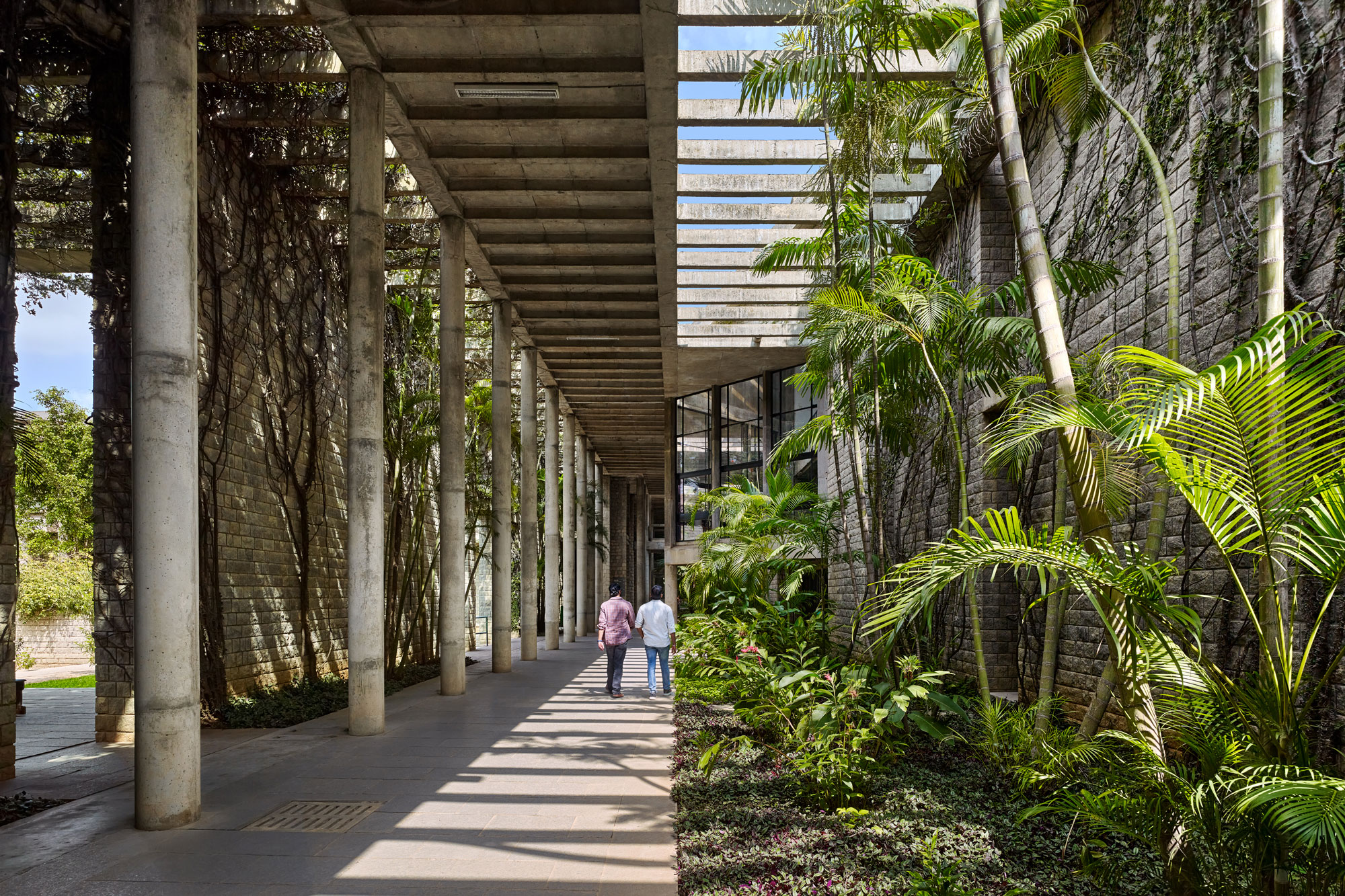
Speaking to a group of students at the campus in 2014, Balkrishna Doshi characterised the Indian Institute of Management Bangalore (1983) as not a building. “Can you ‘see’ IIMB as a building?” he asked.[1] In saying this, Doshi was emphasising that not only is IIMB not a building, but the typical components of a building had also receded from view. “It is not visible because nature has taken over – so you see a wall here, a pillar there”. The project at IIMB sits against the predominant practices of producing spectacular or robust buildings, and ushers in the principles of what I describe as an architecture of complexity.

Continue reading MODERN SOUTH ASIA | Indian Institute of Management Bangalore