

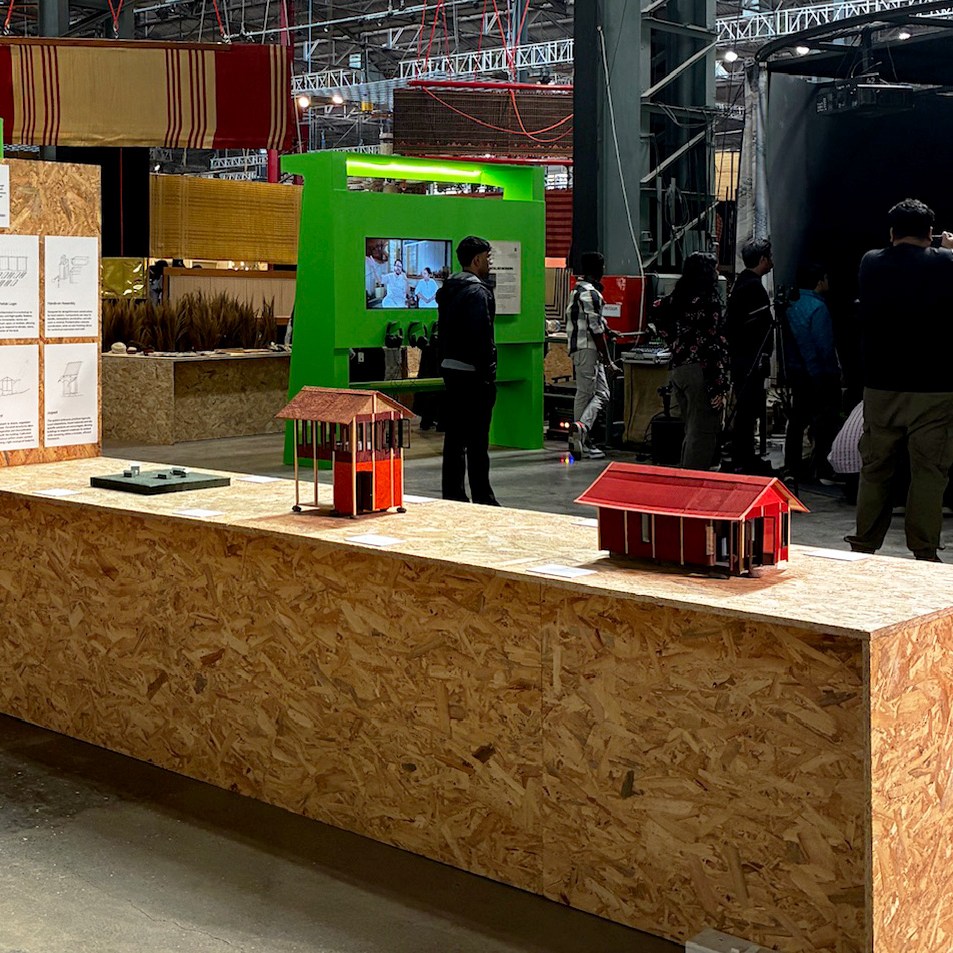
INDIAN CRAFT HOUSES by SITE PRACTICE is one of six projects that emerged from the mentorship of the Godrej Design Lab Fellowship in 2025. The fellows exhibited their projects and processes at the Concious Collective in December 2025.
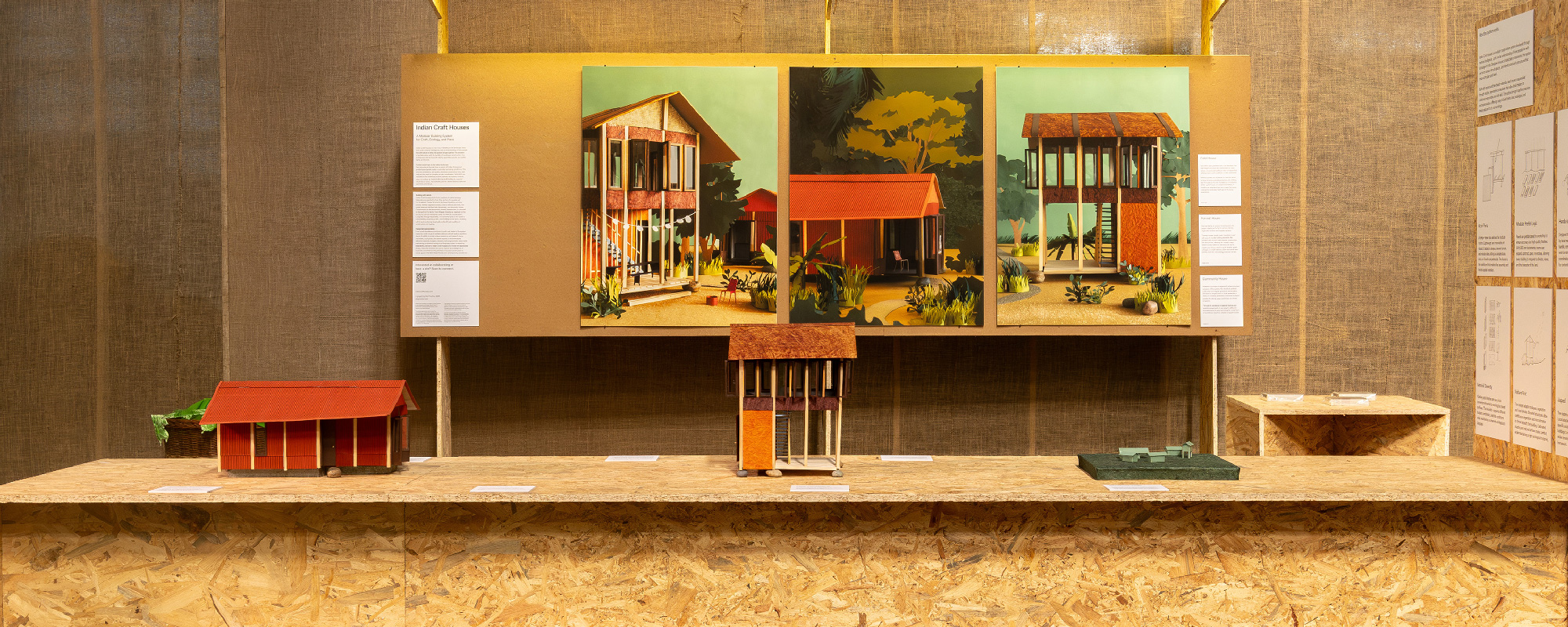
Indian Craft Houses system presents prefabrication as a spectrum of possibilities for India, from industrialised forms to panelised systems and modular kits of parts. Venturing beyond efficiency, it interrogates materiality, user agency, and adaptability, proposing a relatively more participatory, context-sensitive approach that intersects design, craft, and sustainability, and rethinking the relationship between designer-builders, materials, and place.
Emphasising an alternative, environment-friendly construction ecosystem as a critical reflection on the status quo, Indian Craft Houses system endorses a sustainable, adaptable, and context-responsive approach to building appropriately across diverse conditions in India. It began with an exploration of sketches and conceptual thinking regarding potential building typologies and the operational logic of the system. Research engaged with global precedents of prefabricated construction, in conversation with earlier prefabrication movements while remaining grounded in Indian craft, climate and construction practices. These references provided general insights into modularity and efficiency, yet emerged from materials and conditions very different from those in India.
The study therefore focused on identifying principles which could be meaningfully adapted to local craft traditions, environmental conditions and on-ground building realities.


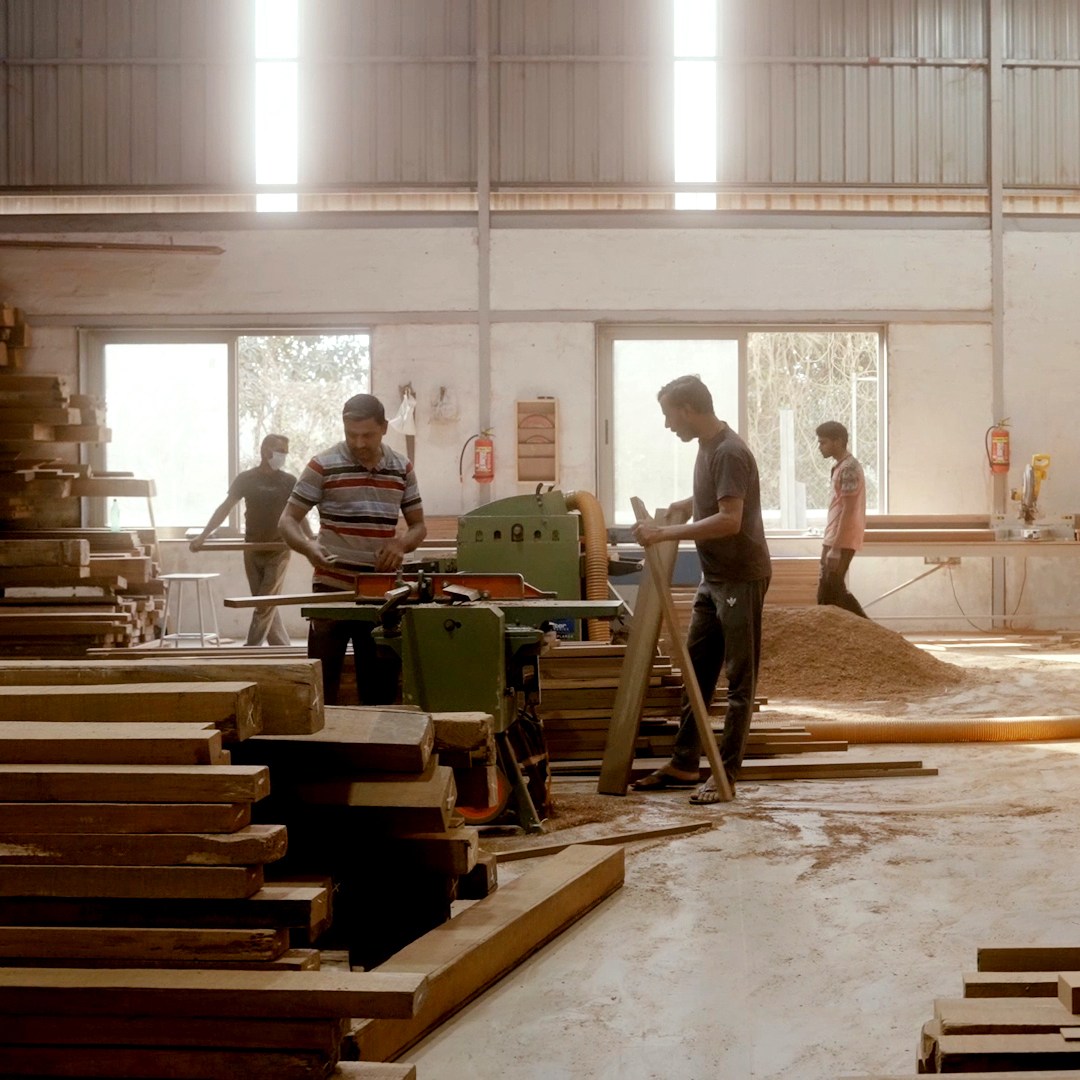
Derived from this research, three distinct prefabrication modes were identified and explored to determine suitability for the Indian context. The first approach involves complete factory-built buildings transported and installed in their entirety, a method common in Europe but constrained by heavy logistical requirements. Recognising the limitations of such an approach, especially in rural or remote locations, Indian Craft Houses system explored smaller-scale prefabrication strategies for India. The second approach looks at panelised construction, in which sections are prefabricated for partial on-site assembly. The methodology enables a controlled integration of materials while remaining moderately manageable in terms of transport and logistics.
The third approach evolved in consideration of prefabrication as a kit of parts, akin to furniture assembly, allowing users to adapt, layer and customise the structure using local or endemic materials, reclaimed, or personal design interventions.
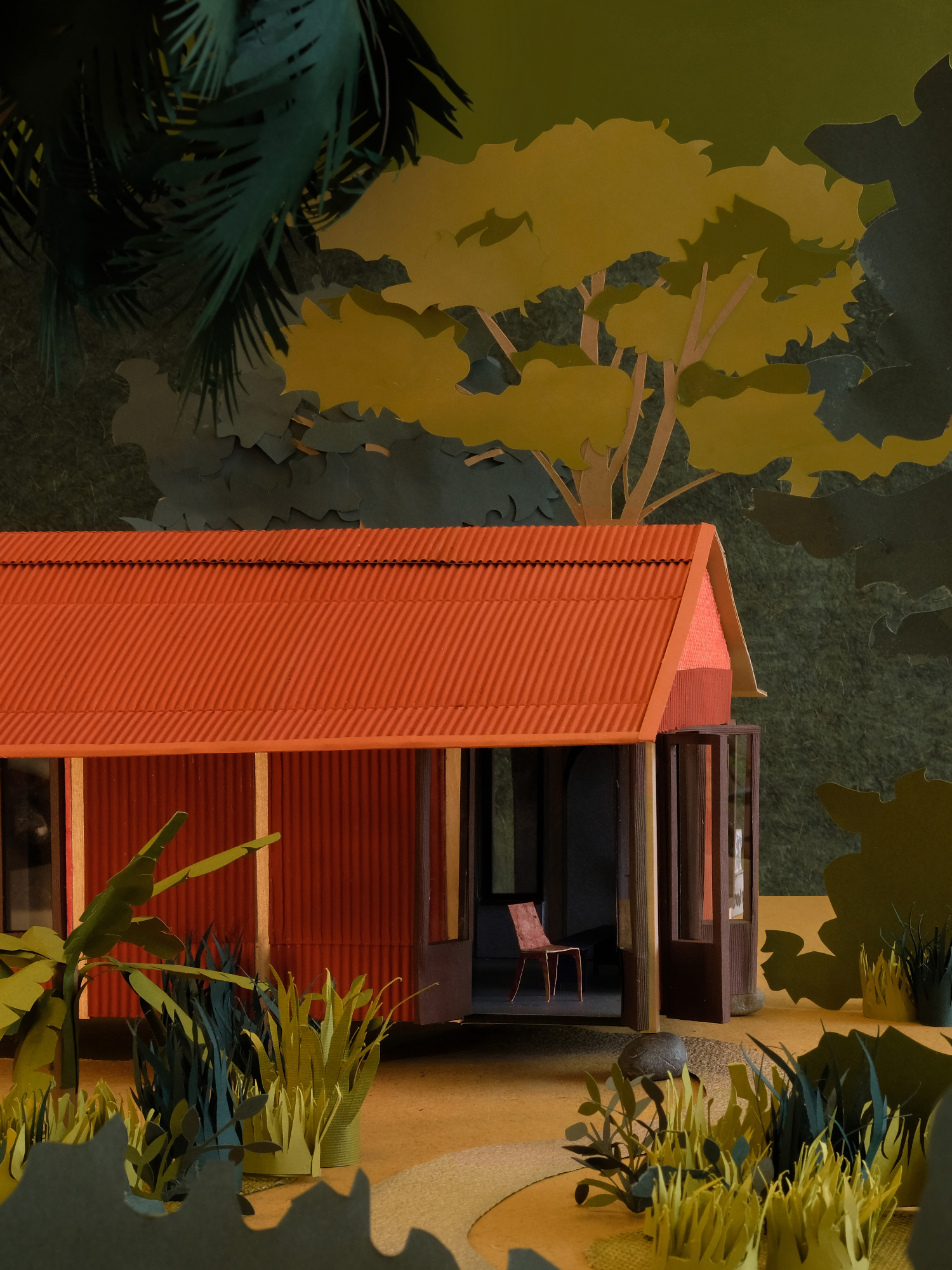
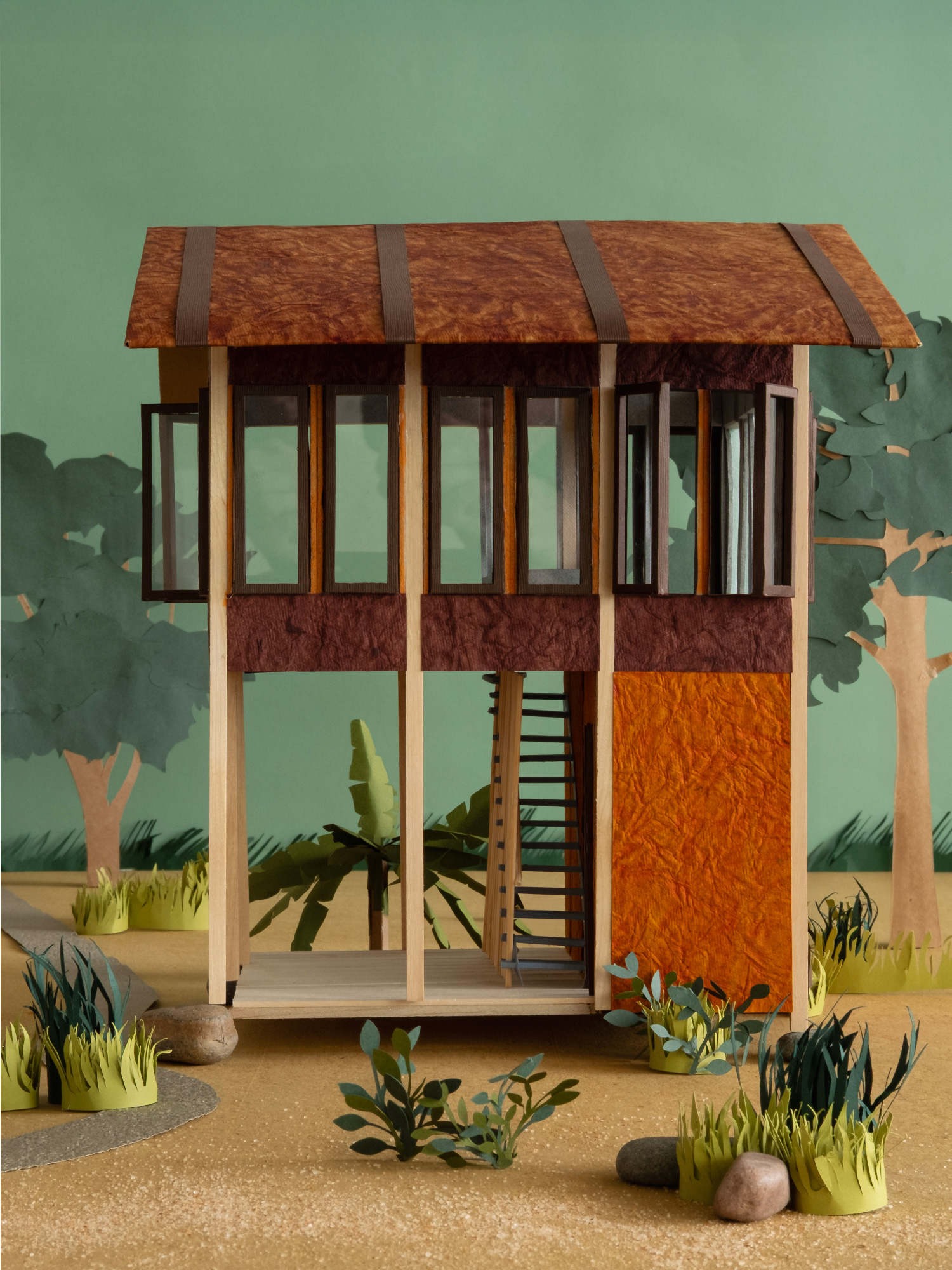
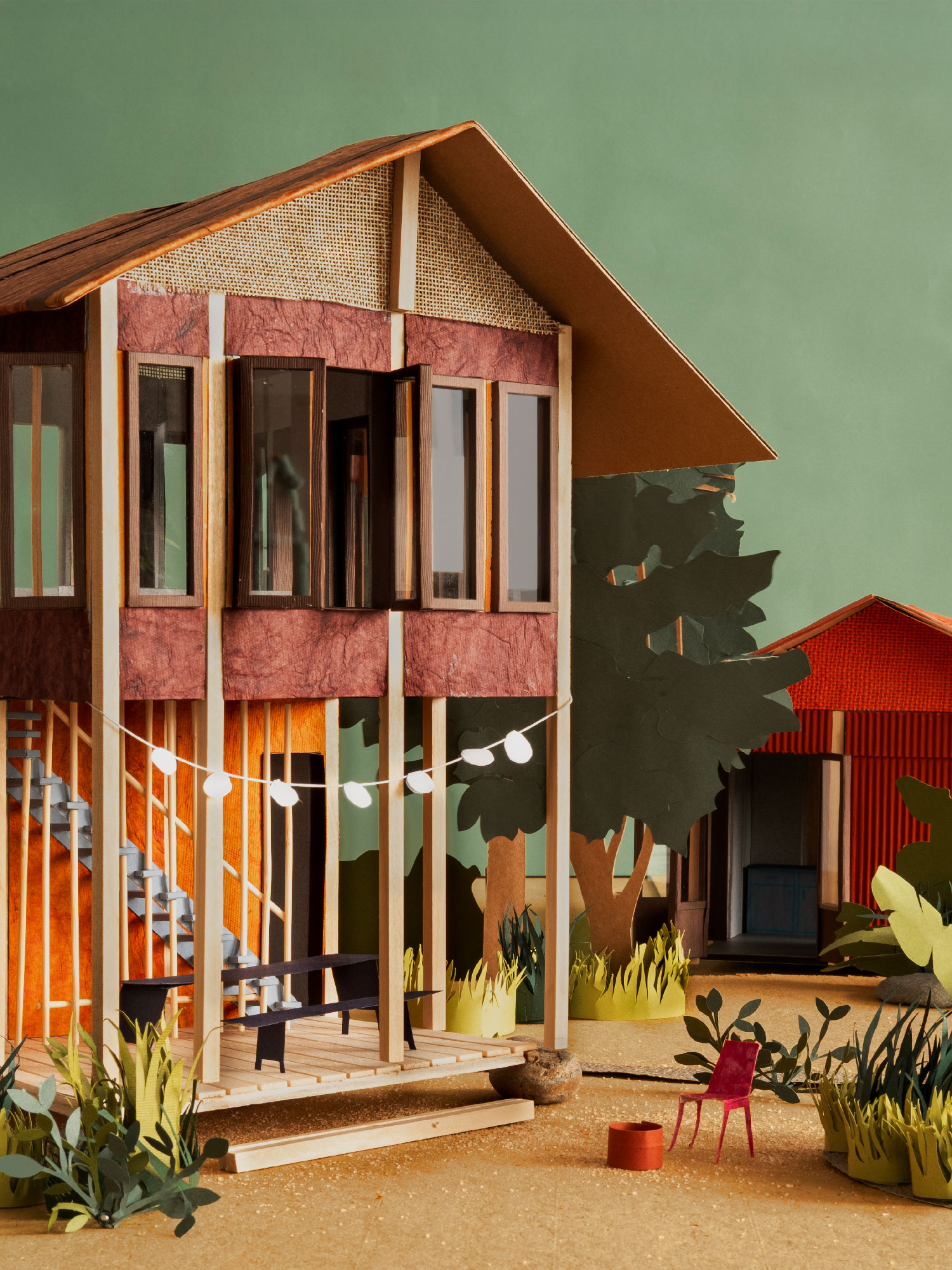
The ethos underscores user engagement, and long-term ownership.
Technical investigations considered materials for primary structural systems, evaluating steel for its durability, and strength and wood for its alignment with bio-based, sustainable construction principles. Challenges associated with wood, including vulnerability to humidity and pests, necessitate maintenance strategies. In addition to structural considerations, the system delved on variating applications, from permanent housing to temporary or semi-permanent solutions modulated for locations with regulatory or infrastructural constraints.
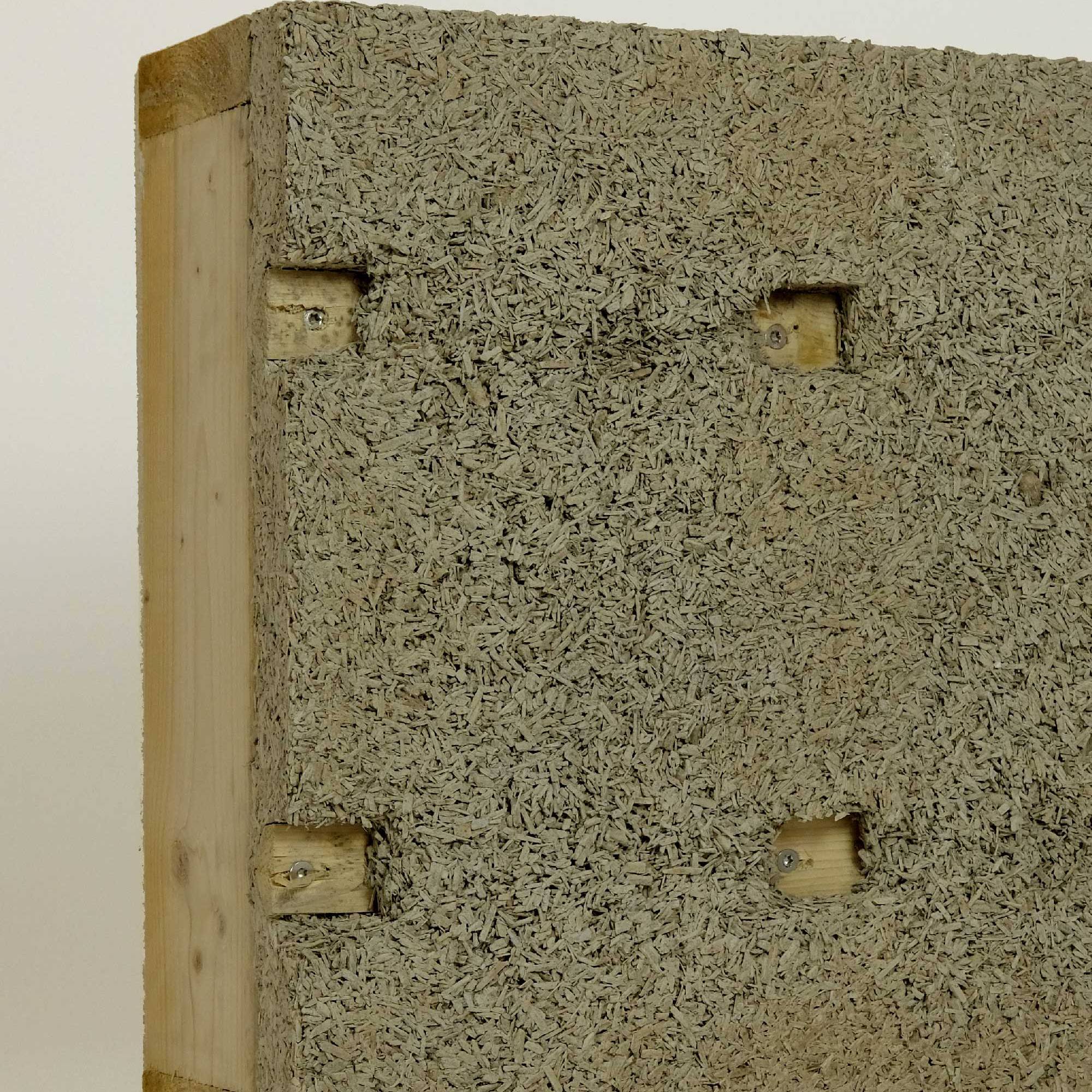
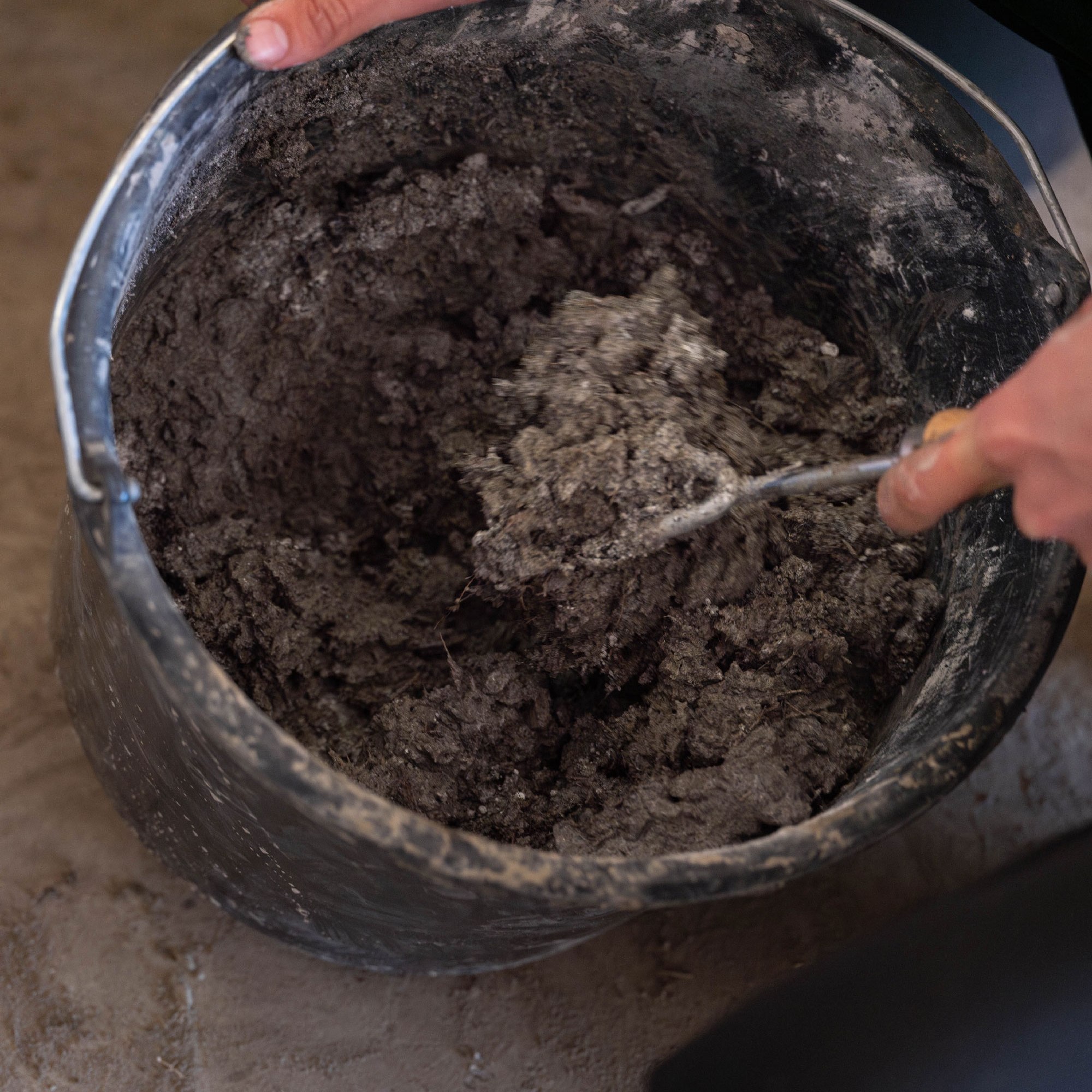
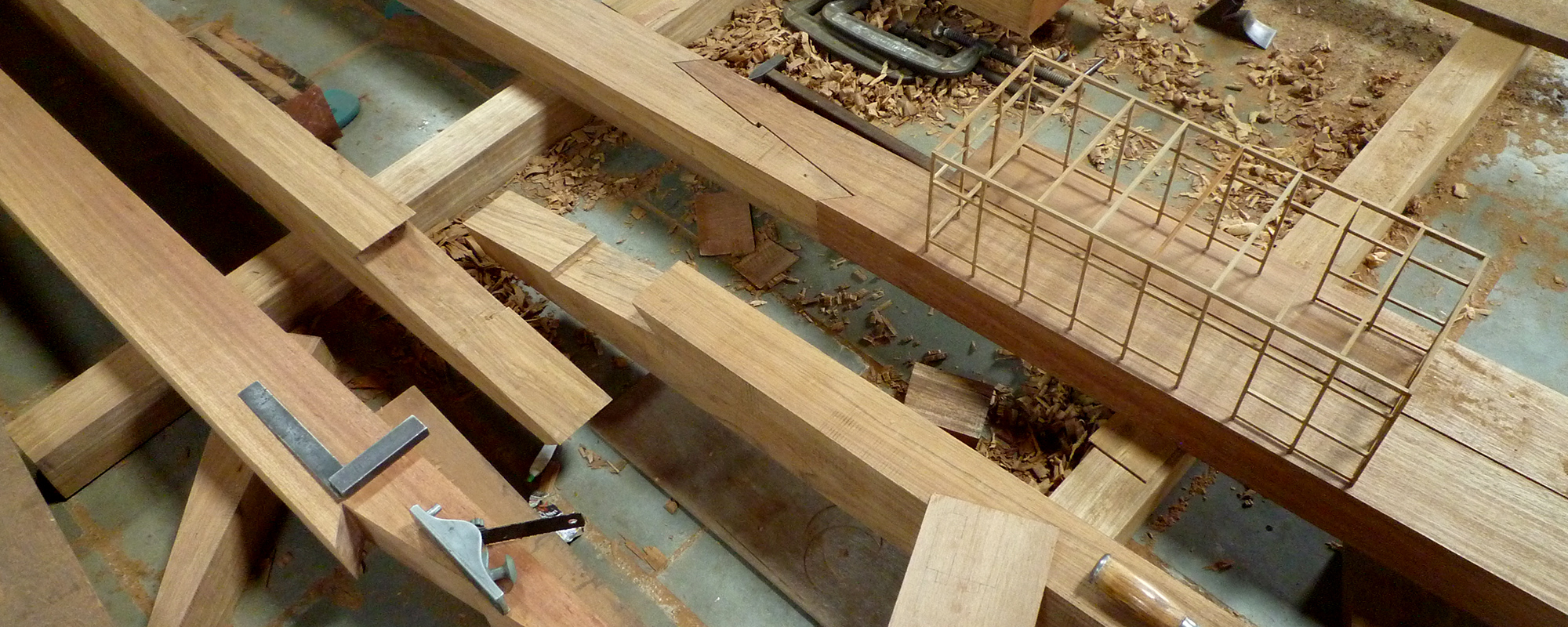
Presently, the focus is on translating conceptual and technical explorations into tangible outcomes. A one-to-one mock-up demonstrates the system in detail, while scaled models illustrate building form and spatial potency. Ongoing material investigations – ranging from timber and rice-husk composites to bamboo and other bio-based mixes – explore possibilities for structural components, groundworks, and experimental elements, demonstrating constructive and aesthetic versatility within the larger system.
Both as a strategy centered on prefabrication and material, Indian Craft Houses system raises a question on a model for ongoing innovation in contemporary construction practices. It is a process of material exploration, experimentation and a collaborative, symbiotic practice that engages both builders and users. The project aspires a continual engagement and evolution through site-specific applications and user engagement to come up with distinct and diverse practices, both formally and materially ♦
Collaborators: David Schmidt, VK Interiors, Saurabh Satpute, Devansh Bilimoria, Ali Bootwala

Site Practice is an architecture and design studio based in Amsterdam and Mumbai and was founded by Anne Geenen and David Schmidt in 2019.
The studio approaches each project by committing to a collaborative design process engaging with makers and users from various backgrounds and disciplines. By engaging with the process of making and construction they explore material, cultural and ecological conditions, creating places and objects that have a strong emphasis on detail and become moments of quality in our daily lives.
The studio’s interest in material culture also continues in Built Editions, the furniture and objects platform, which explores contemporary craft through small scale collaborations with artisans and workshops throughout India.
Anne Geenen is an architect and designer working between Amsterdam and Mumbai. Her practice moves across architecture, interiors and crafted objects, with a consistent focus on material culture, collaboration with makers and the cultural meaning of place.
She is the co-founder of Site Practice, where she leads projects ranging from cultural institutions and urban redevelopment to residential interiors and furniture.
Website: sitepractice.com
Email: mail@sitepractice.com
Instagram: @site.practice

A structured, one-year, non-residential initiative, the Godrej Design Lab Fellowship Program supports emerging design talent through grants and mentorship. It provides a platform for creative practitioners to develop projects that demonstrate technical proficiency, innovation, and societal impact, contributing to the evolving discourse on design in India. The program encourages experimentation across different design fields and supports practitioners working with interdisciplinary thinking, sustainable approaches, and new methods.
Website: designlab.godrejenterprises.com/fellowship
Matter curated and designed the Godrej Design Lab Fellowship exhibition at Conscious Collective 2025.
Film by Matter.
Shot and edited by Gasper D’souza, White Brick Post Studio.
Visuals: © and courtesy Site Practice
Photographs of Concious Collective 2025: courtesy Rishul Bangar


