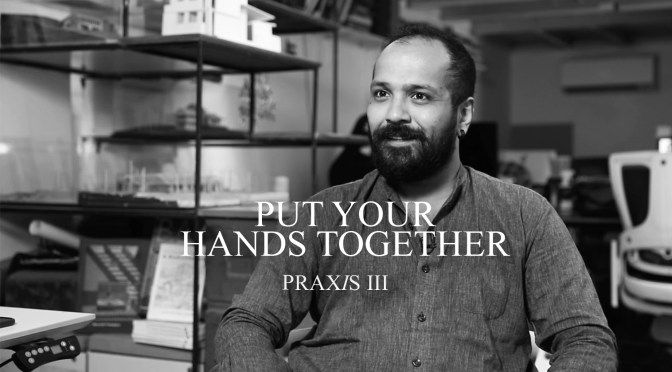
An editorial project by Matter in partnership with Şişecam Flat Glass, PRAXIS investigates the work and positions of diverse contemporary architecture practices in India.In this episode, Areen Attari of Put Your Hands Together introduces the idea of owning ‘bio-architects’ as the appropriate preface to the work they are pursuing. He cites collaborative influences, former partners, friends, and colleagues, underscored by their shared interests as a means of exploring and drawing attention to an architecture that finds a tacit relationship with natural materials. Through the discussion, Areen portrays the multi-modal approach of documentation, and teaching engagements to embrace the kind of imaginative play and intimacy that is essential to this practice and developing its details and systems. He believes he wants to create spaces that heal, spaces that make one slow down, and feel at peace with themselves.
EXCERPTS FROM THE INTERVIEW:
AA: Areen Attari
FOUNDATIONS
<00:00.27>
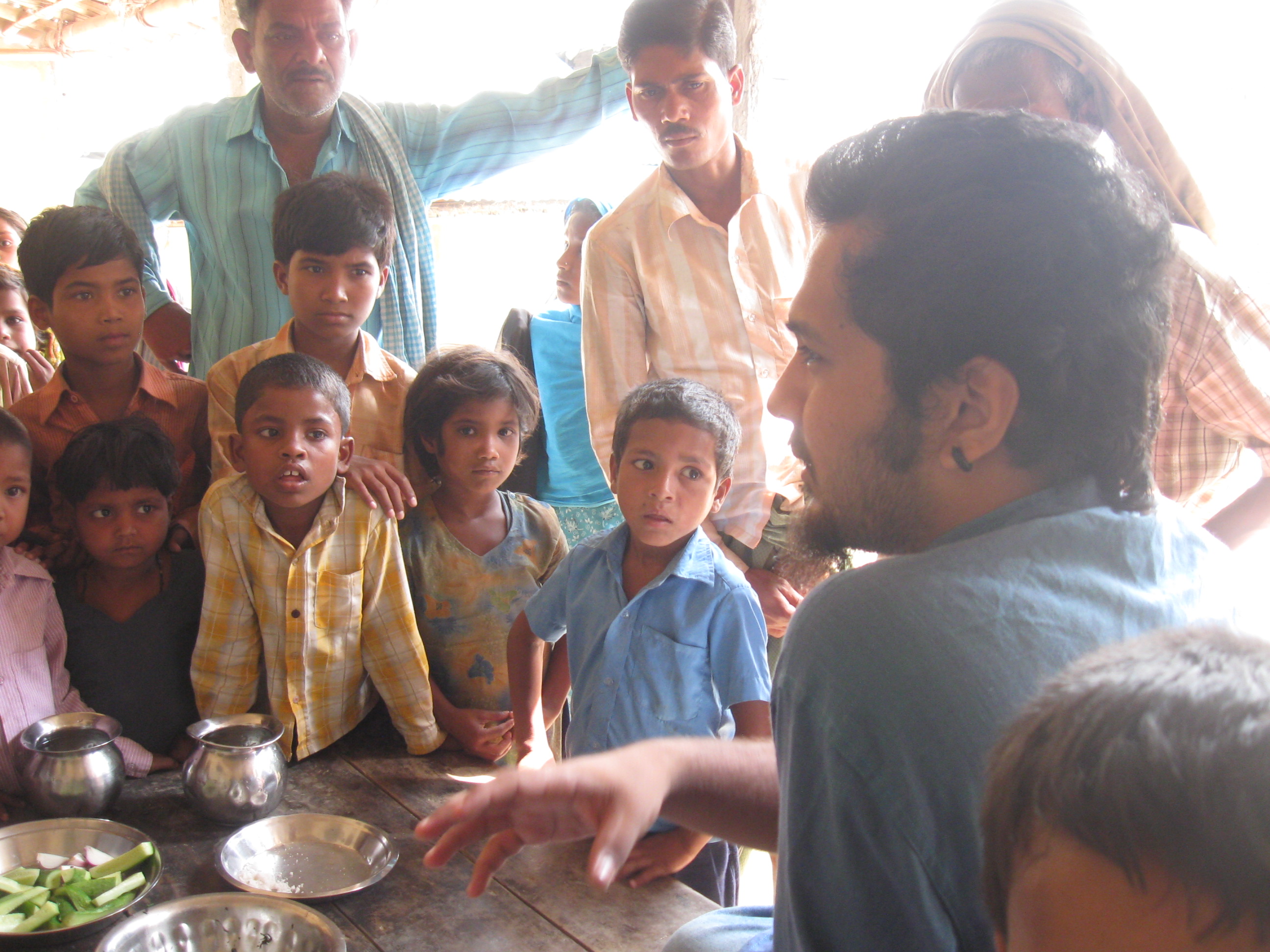
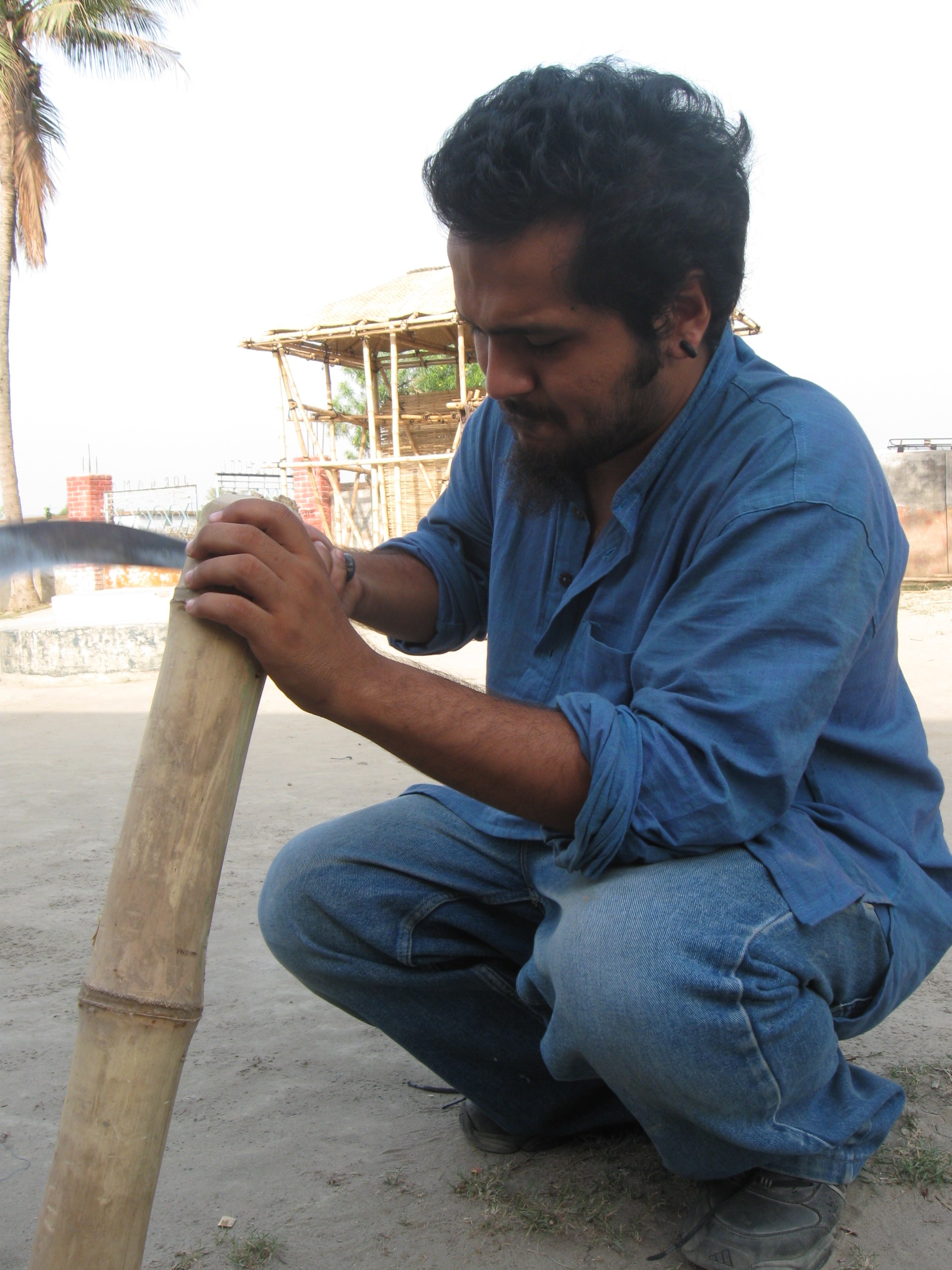
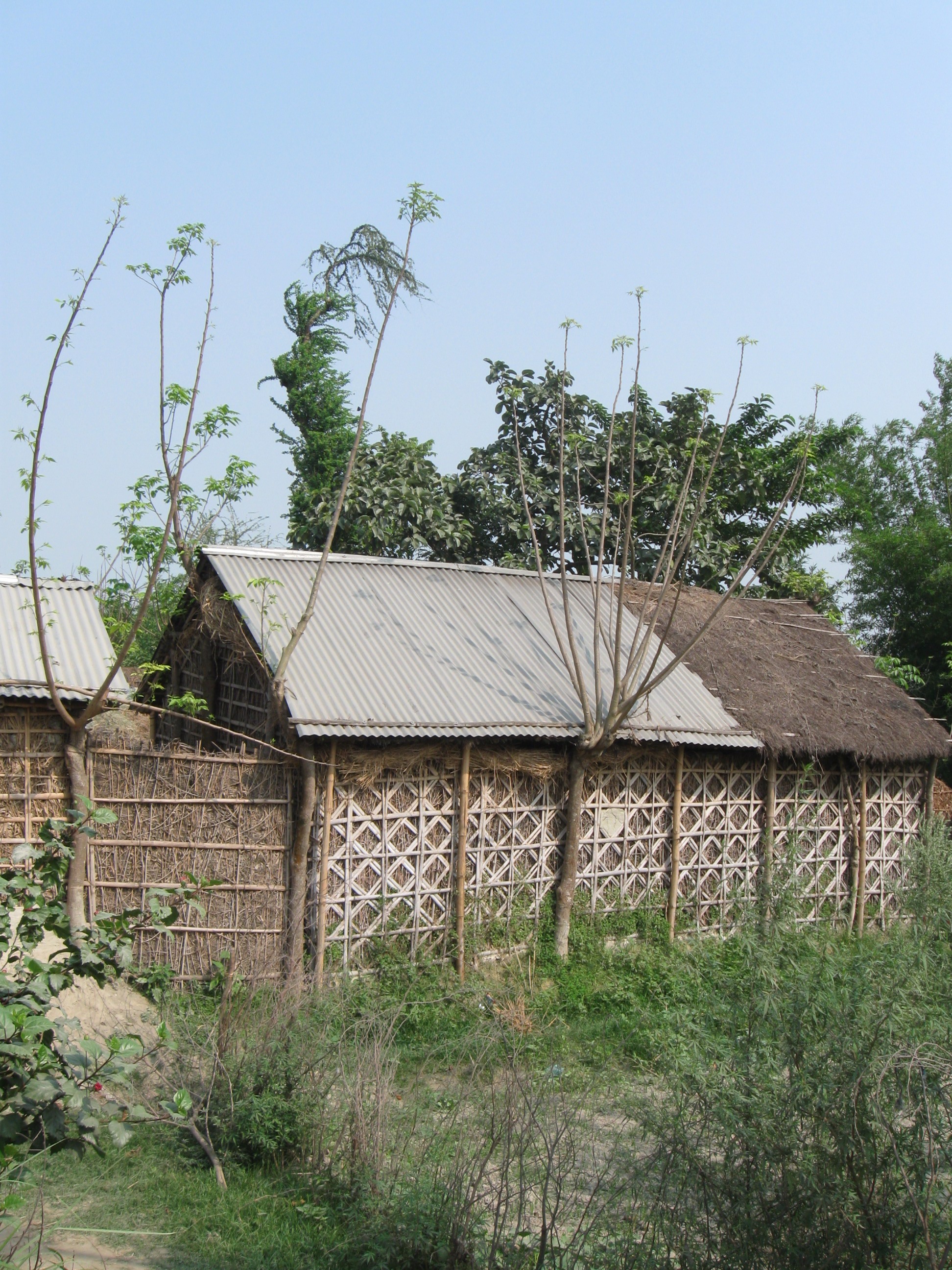
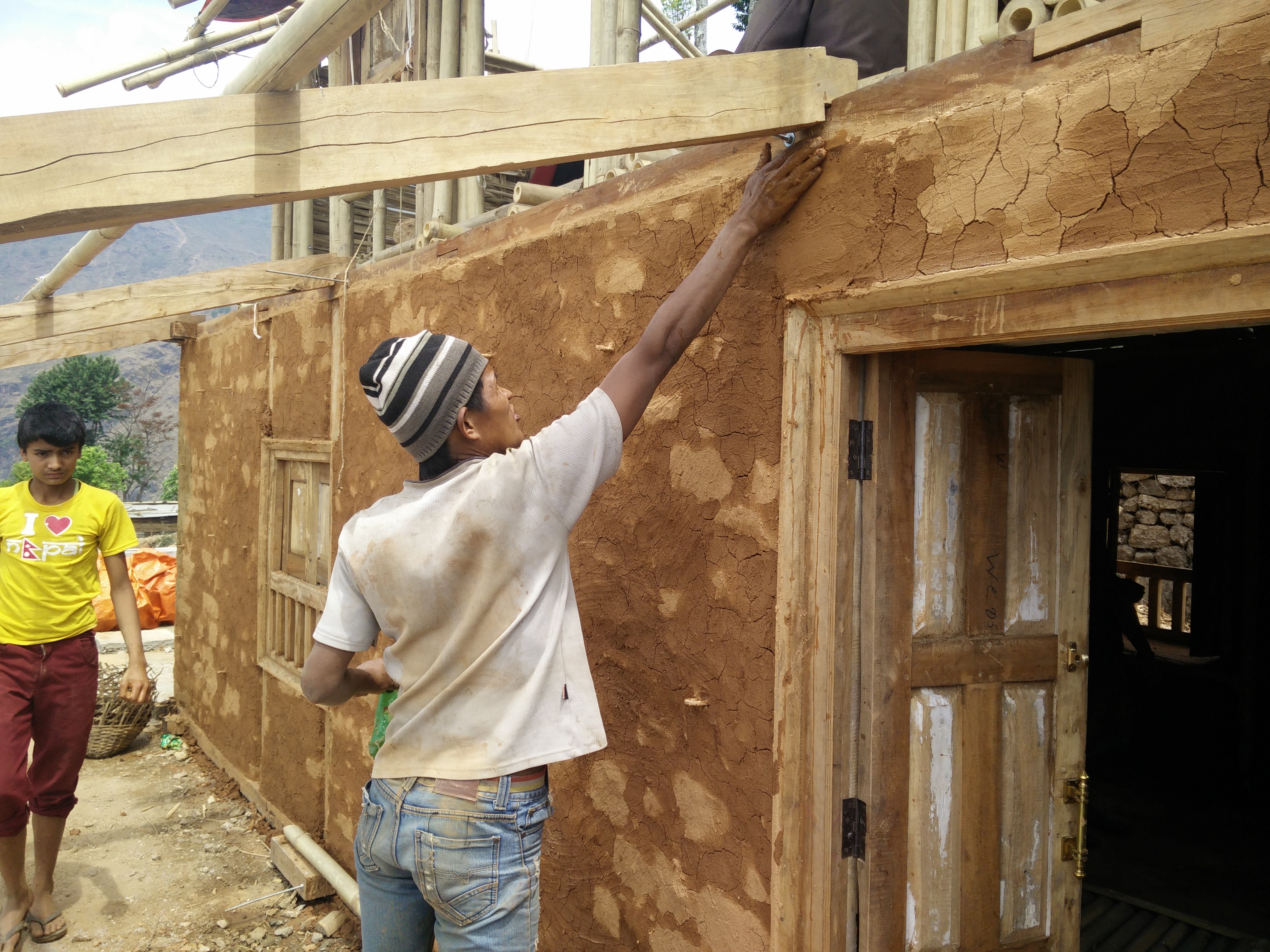
AA: We started in 2011, informally. We were five of us who had graduated from the same college, Rizvi College of Architecture. Essentially, what happened is that we started getting different types of experiences on our own, individually. I was in Bihar working with Flood Rehabilitation, where we were introduced to Bamboo as a building material. Someone else was in Mumbai working on heritage and conservation; some people were in Kerala, working with Eugene Pandala. Thus, we had these experiences, and throughout our college years, we were introduced to this concept of sustainable human habitats by our director, Prof Akhtar Chauhan. His vision was for a sustainable human habitat; he spoke about it a lot, and conducted some conferences on it. I think he was one of the very few people who were acting upon it.
This struck a chord with a lot of us. It was something that we started realising – What can we do?
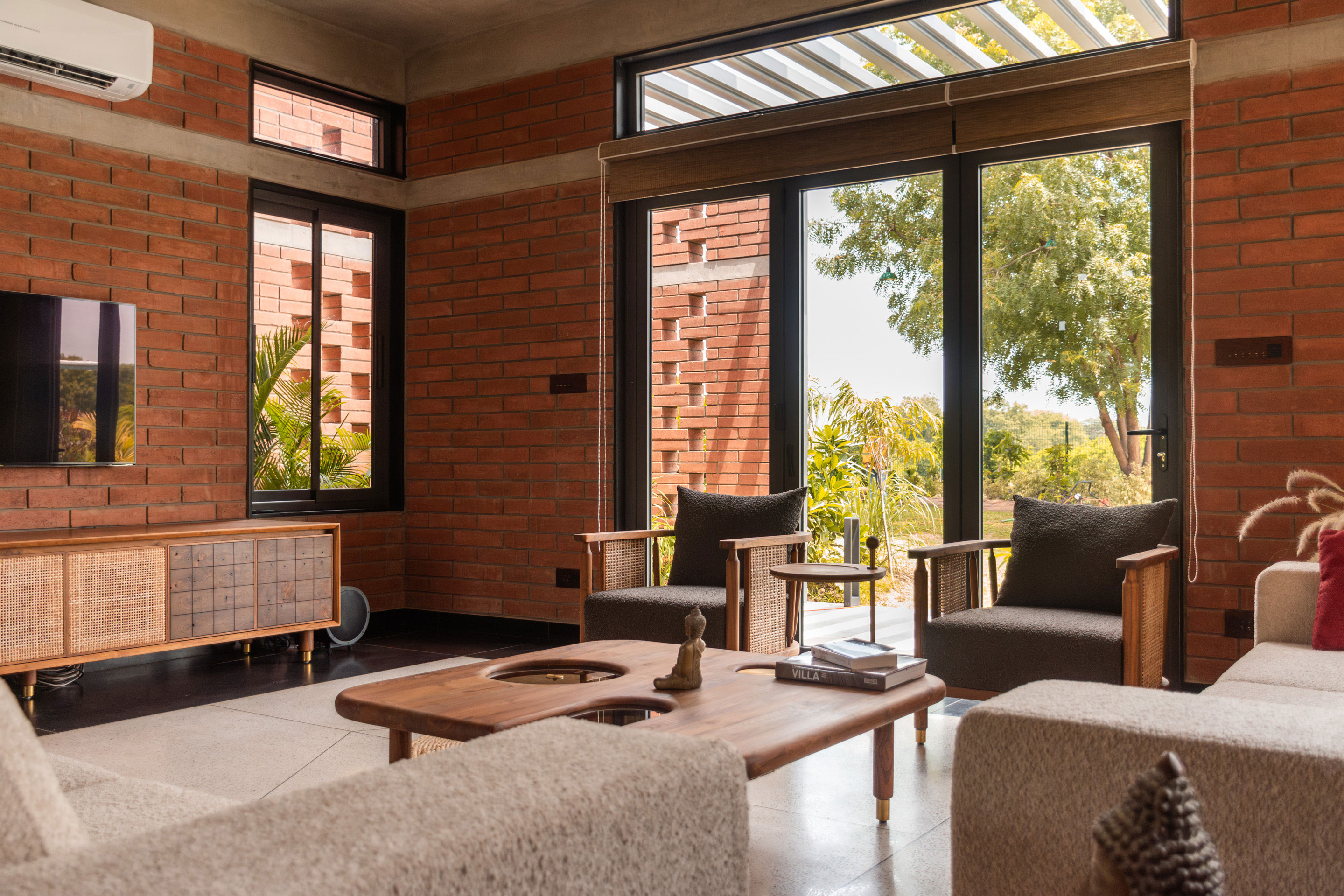
Personally for me, I was on this journey where I was seeking a more sensitive, soul-fulfilling architecture. And I realised very, very quickly that what I was being taught, also what the syllabus prescribed, and what I was seeing outside was not the kind of architecture I was interested in doing. Then, I found out about these different practices doing different things, travelled a little bit and then at some point, realised that we should start our own practice, and do it our own way, and our way is this idea that every project we do, we try and make it as sensitive as possible, and as rooted to its context as possible – try and use materials available in that region in their nascent form, and try and learn from the vernacular of that region to create a new language that is rooted, but also hits the brief, the requirements of the client, and the users, etc.
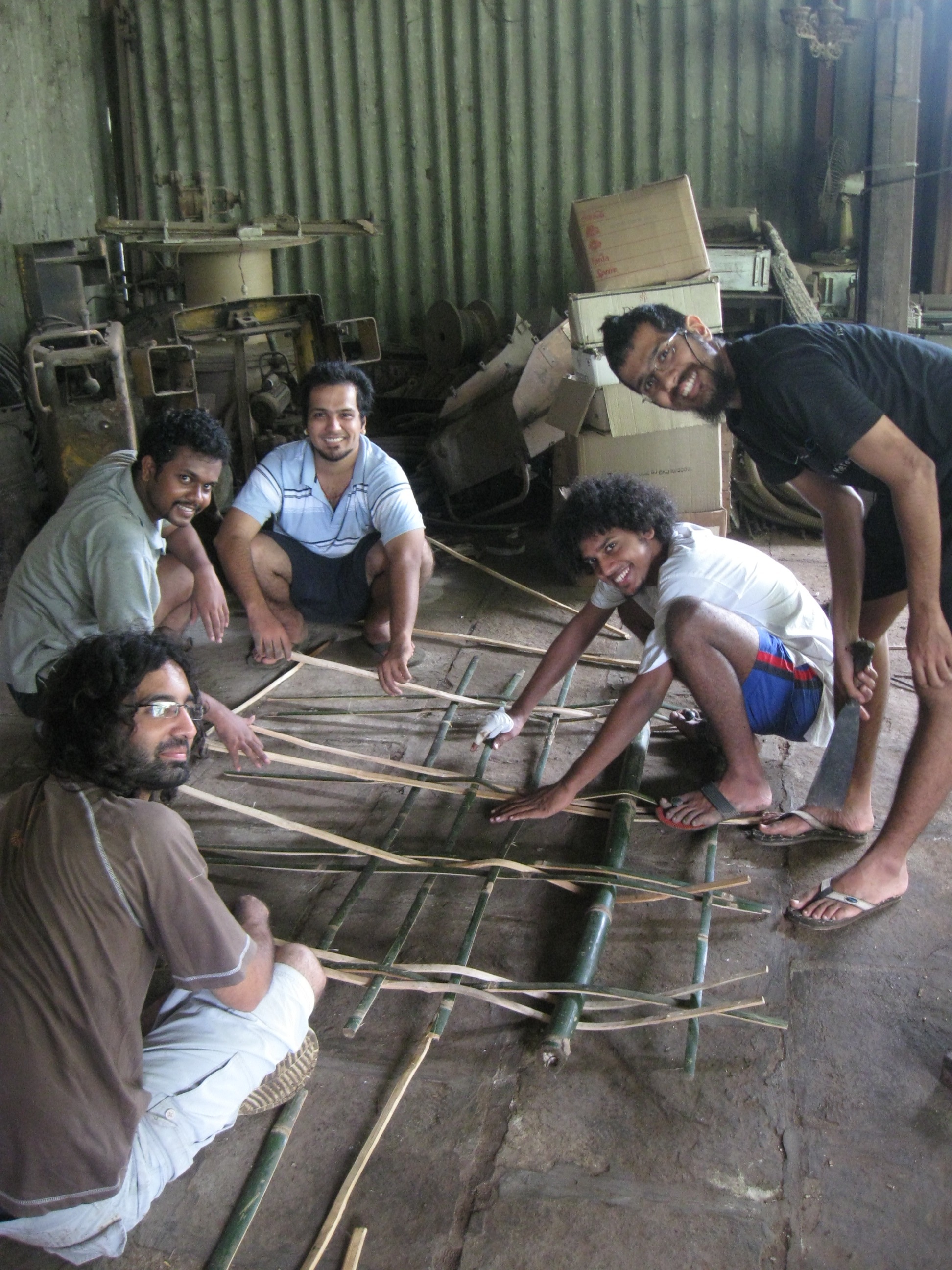
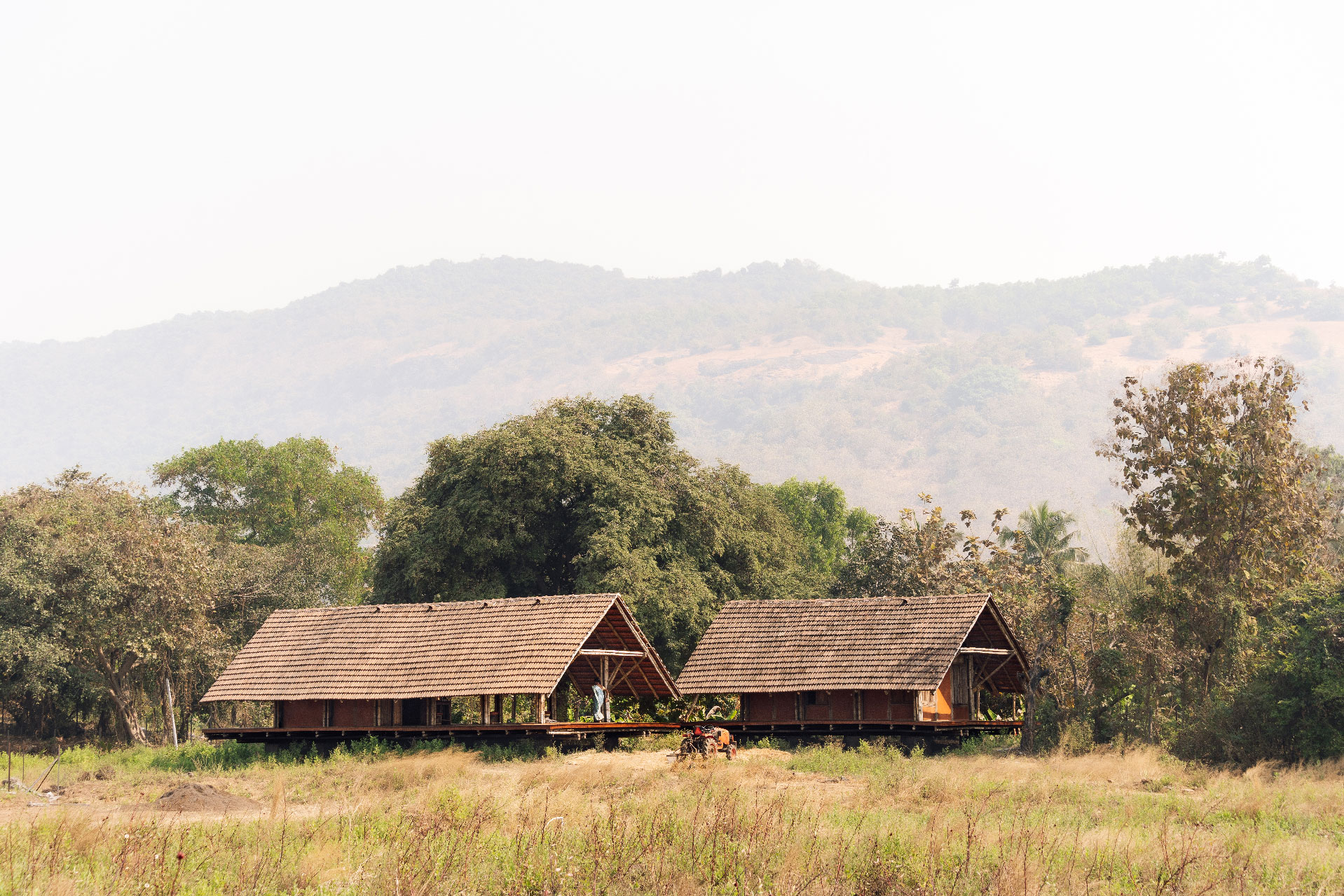
That is how we started this; the initial years were a lot of fun. There was not much work, we were friends, and we had no idea what we were doing. We laughed a lot, joked a lot, We had a very interesting practice – every other weekend, we would go to someone’s home, and I think we went to Taleigao once, and Dahanu once, particularly. That is us: Shahveer Irani, Mukund Iyer, Wasim Noori, my brother Azeer Attari, and me. When we started, we went to Shahveer’s House in Dahanu, and Mukund’s house in Taleigao, between Mumbai and Pune. What we would do is, we would buy material, buy Bamboo, stay there for two-three days, buy some tools, and then we would just try and make something ourselves.
The end results were terrible, but at that time it was phenomenal for us, because while you learn about the theory of Architecture and construction, but you do not actually do anything with your hands.
This whole idea was that we would learn ourselves, and we would know how to do it ourselves. That was one of the first ideas of ‘putting your hands together’ – A collectives comes together, works and learns together.
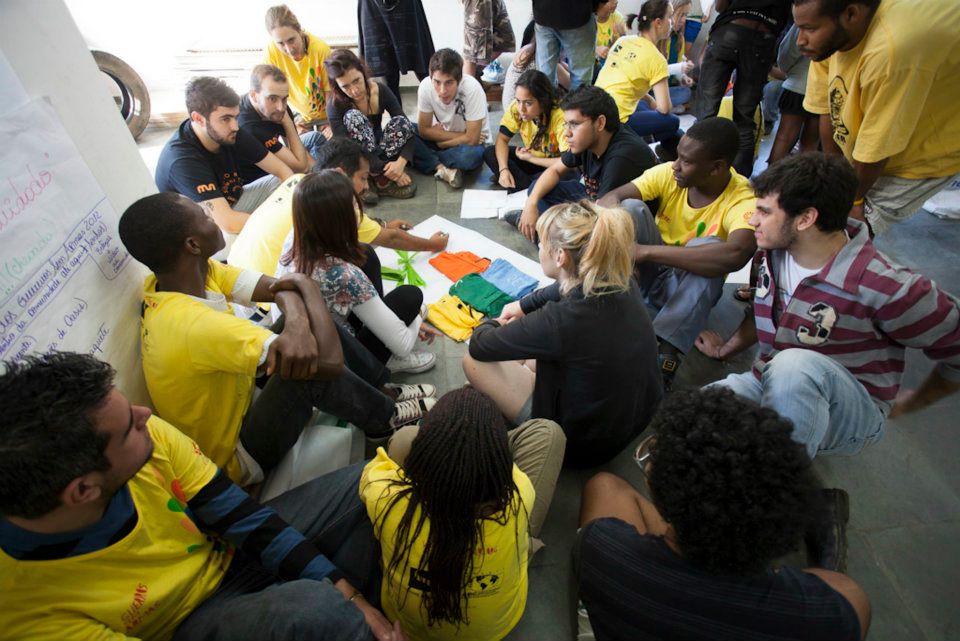
In 2012, I had the opportunity to go to Brazil, it was for a program called Warriors Without Weapons, which is a community driven program, which has 60 people from around the world transforming spaces in a community through a lens of abundance and love. It focuses on transforming dreams into reality and actually doing hands-on work to make that happen. It is a really beautiful thought process, and sort of process-driven tool and methodology that you can apply in your day-to-day life. And so when we were there, we realized that there is this movement of people working with materials like Earth, Bamboo and Stone – basically, materials in their nascent form with minor transmission, trying to keep it as organic as possible. And they were building a lot of different types of architecture with it. And we realised that there is a similar movement in India (smaller at that time) and what we were exposed to.
They were terming it as Bio-architecture, because it was ‘Bio-arquitectura’; meant to be like living architecture. The roots stemmed from there, and then we realised that we are very clear on what kind of architecture we want to do, and that our value systems lie within this realm of architecture. We said – let us adopt this terminology, let us call ourselves ‘Bio Architects’, and create this vision of ours, and actually own it, and be very clear as to who we are, and what we do.
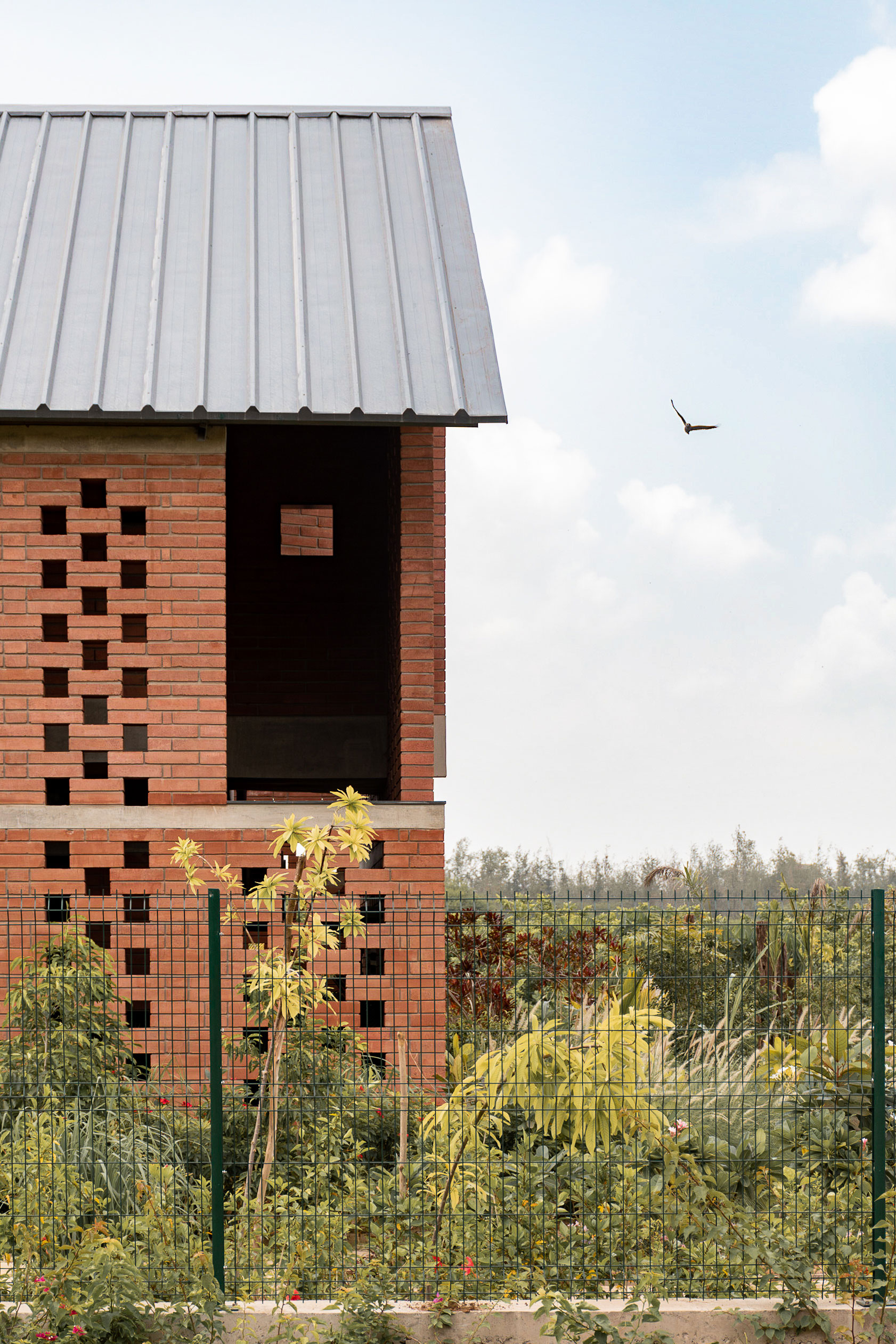
Thus, the name stems from there, and the intent is to work with materials found in its context, in its primitive, nascent form as much as possible, without many modifications. The comparison I like to give to some clients is Organic Food versus Processed Food, and the health benefits between them, and feelings that materials can evoke when used in the correct manner and designed in the correct manner. That is our understanding of Bio-architecture.
CULTURE
<06:42>
The practice is now slightly different from what it was earlier; It has evolved a lot. As we went on this journey, one by one, the partners wanted to explore different ideas and different things, there was always flexibility for that. Shahveer and I then built the company for a while together. We put our minds and visions together, and we balanced each other very well, because we have two very different approaches – that was around five years ago, when we really started getting serious about the architecture practice. Then around one and a half to two years back, Shahveer decided to step down; now it is just me and my team. In terms of the practice, it is a huge shift, because one of the excitements for me as a studio was working with my friends. It was the process of having a good time with your friends, the people you love, doing some fantastic work, pushing boundaries in different aspects. Now we would still try to create that setup, of having of having a nice time while working and trying to enjoy the smaller details of practice.
I would not say it has been easy to work on your own; I think there is a different kind of pleasure when you work with someone who you have a good comfort level with, but this has its own benefits, and it is now a good opportunity for me to express myself.
AA: The studio setup is in Mazagaon, which is in Mumbai. We found this shed – actually, our friend Faizan Khatri, who used to be my teacher, and is one of my guides in terms of architecture and life also – he found this space. We have a common wall with him, and the moment he started designing it and putting it all together, Shahveer started getting really excited, so we made the shift, and moved here, set it up a bit.
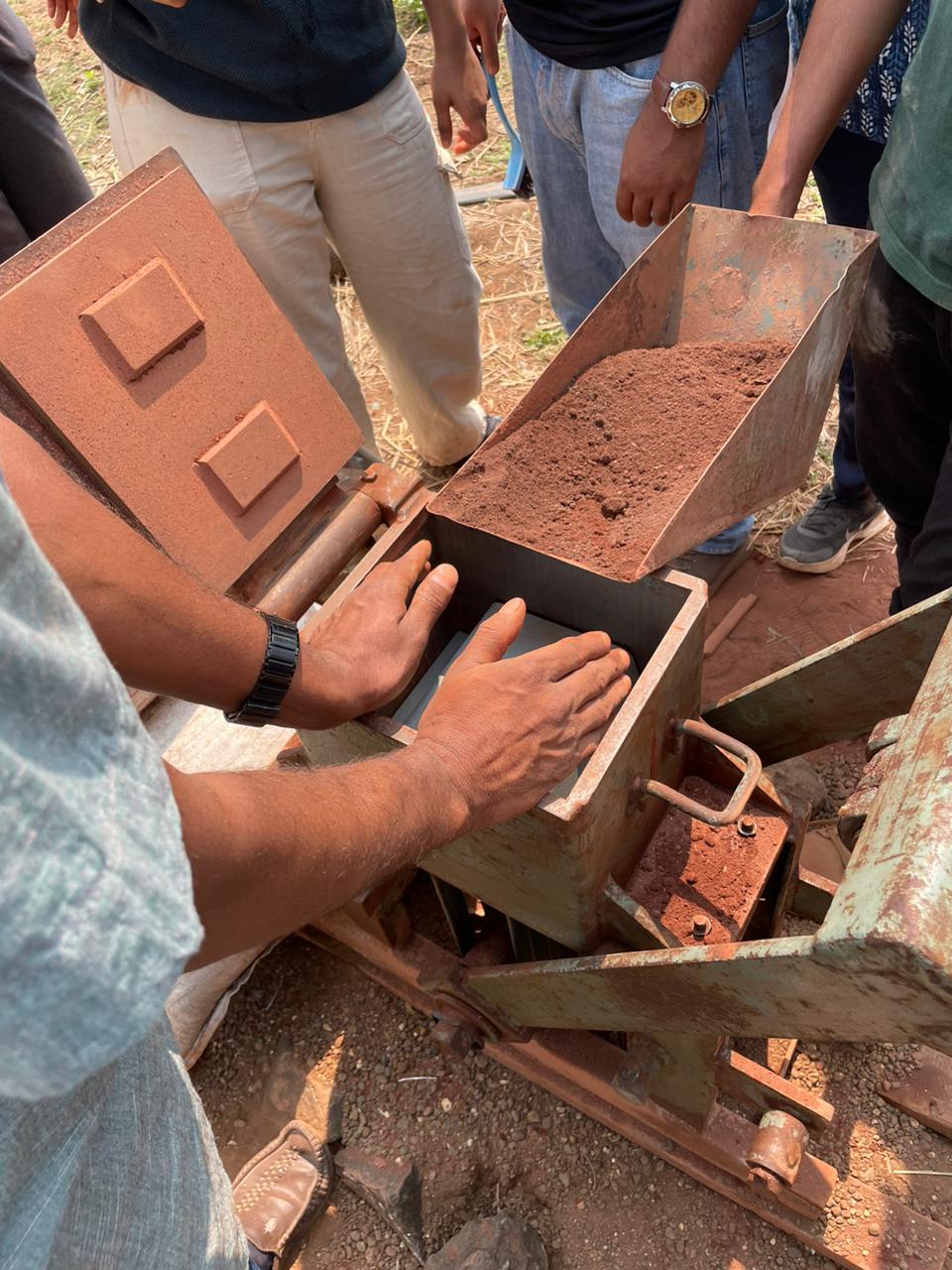
We tried to use this space as an experimental lab as well. We used Rammed Earth, Compressed Earth Blocks, Lime plaster, Earthen Flooring – ready to make mistakes also, to see what the outcomes are. The studio functions primarily with my core team, three senior architects. Each one of them manages three to five projects, and each of them has teams – interns, and junior architects helping. That is the way we are developing right now. We have teams who do some execution, we have trained some people to do Rammed Earth or Lime Plastering. This team we have developed over the years.
PROCESS
<09:35>
AA: Projects-wise, we do a lot of homes primarily. These homes are typically, mainly around the city of Bombay, in the peri-urban areas that are slowly becoming urban areas. Particularly post-COVID, a lot of people are building homes, because they want space and they want to live a healthier lifestyle. Some people build it with the intention of using it only as a weekend home, and some people build it with the intention of it eventually becoming their primary home.
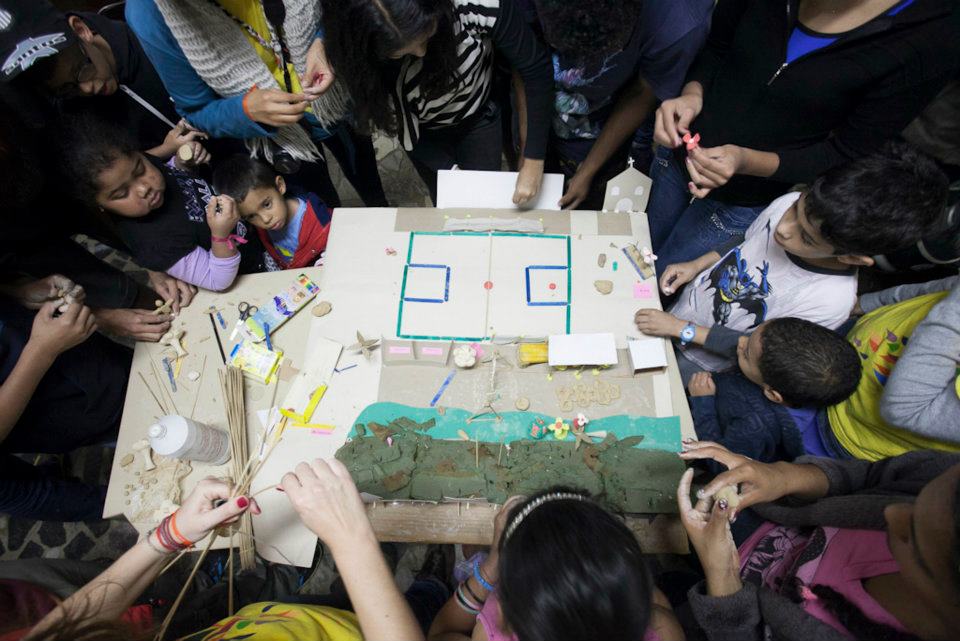
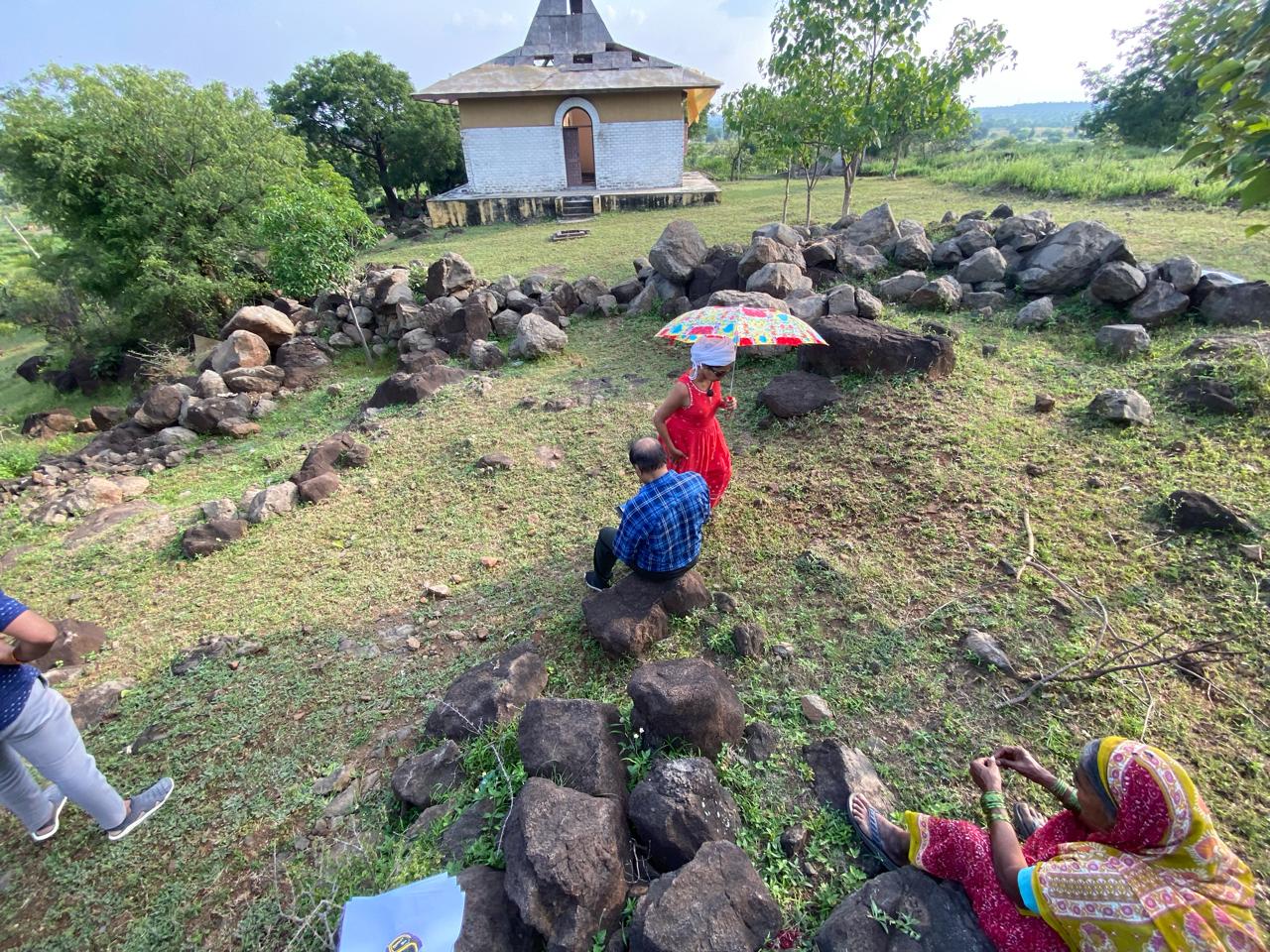
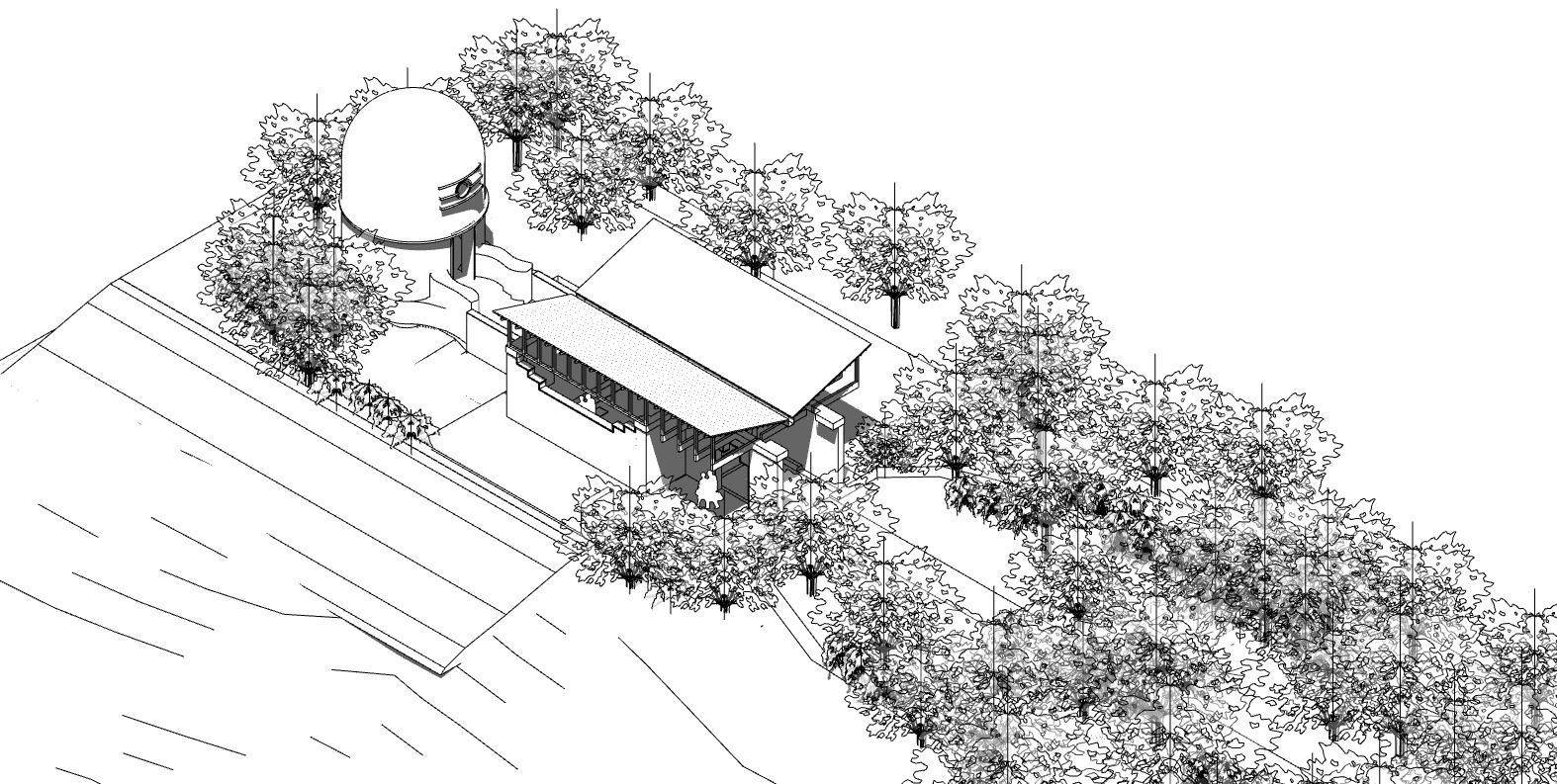
These are our private sector projects; we are also doing projects that have a public aspect to it. There is The Learning Centre in Goa, and then there is a small Memorial and Temple in Jintur for a really beautiful person and her parents. It is a samadhi for her parents, who are spiritual healers in this place called Jintur, which is in the inner parts of Marathwada in Maharashtra. Along with this, we are doing our first lounge/ bar just outside Mumbai. We do a few interior projects, but we are very selective of the projects that we do – for people we know, people who understand our design values and what we bring to the table. We also do a lot of community-related work. There are a couple of NGOs we collaborate with. There is one in Mumbai called Oscar Foundation – they do a lot of work of education through Football, across the country. There is this other project in Brazil we collaborate with in terms of, not officially as a studio but me as a person. I am a facilitator for the same.
AA: Sometimes, the typical process is not my ideal process, purely because I am in a situation right now based on how the studio has evolved, with managing these projects on my own for the last two years. It is not necessarily an ideal space, but the typical is such that a project comes in, a lot of people want to talk to me – mostly the clients come to me, talk to me, share their vision with me. We try and do a site visit, particularly if its close by. Basically the client and you are playing this game of flirting, where they want to test waters, and lately, I have realised that they should not be the only ones to test waters, because even I want to test water. I want to work with people who are excited to work with me. My understanding of architecture is that we need to give them something that they are satisfied and excited with. For instance, if it is a home, they need to enter the space and feel peace.
They need to enter a space and it should probably have subconscious effects on them for calmness, or be one with nature. Maybe you are not able to perceive it immediately, but it has this effect on you. Our intention is to create spaces like this.
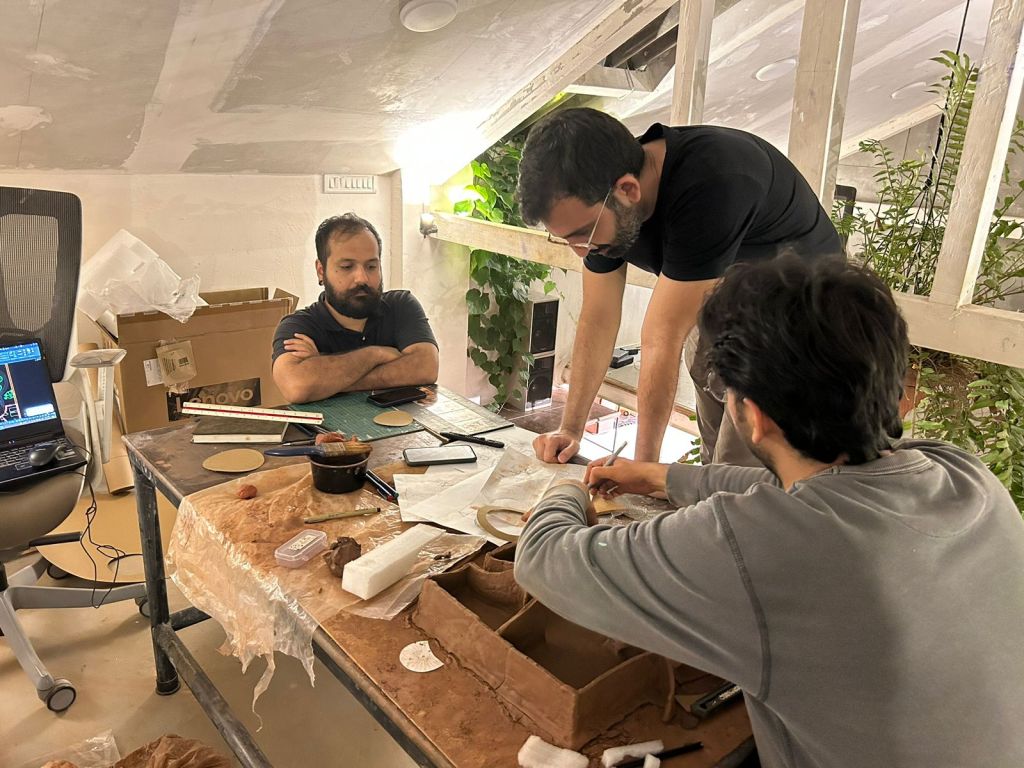
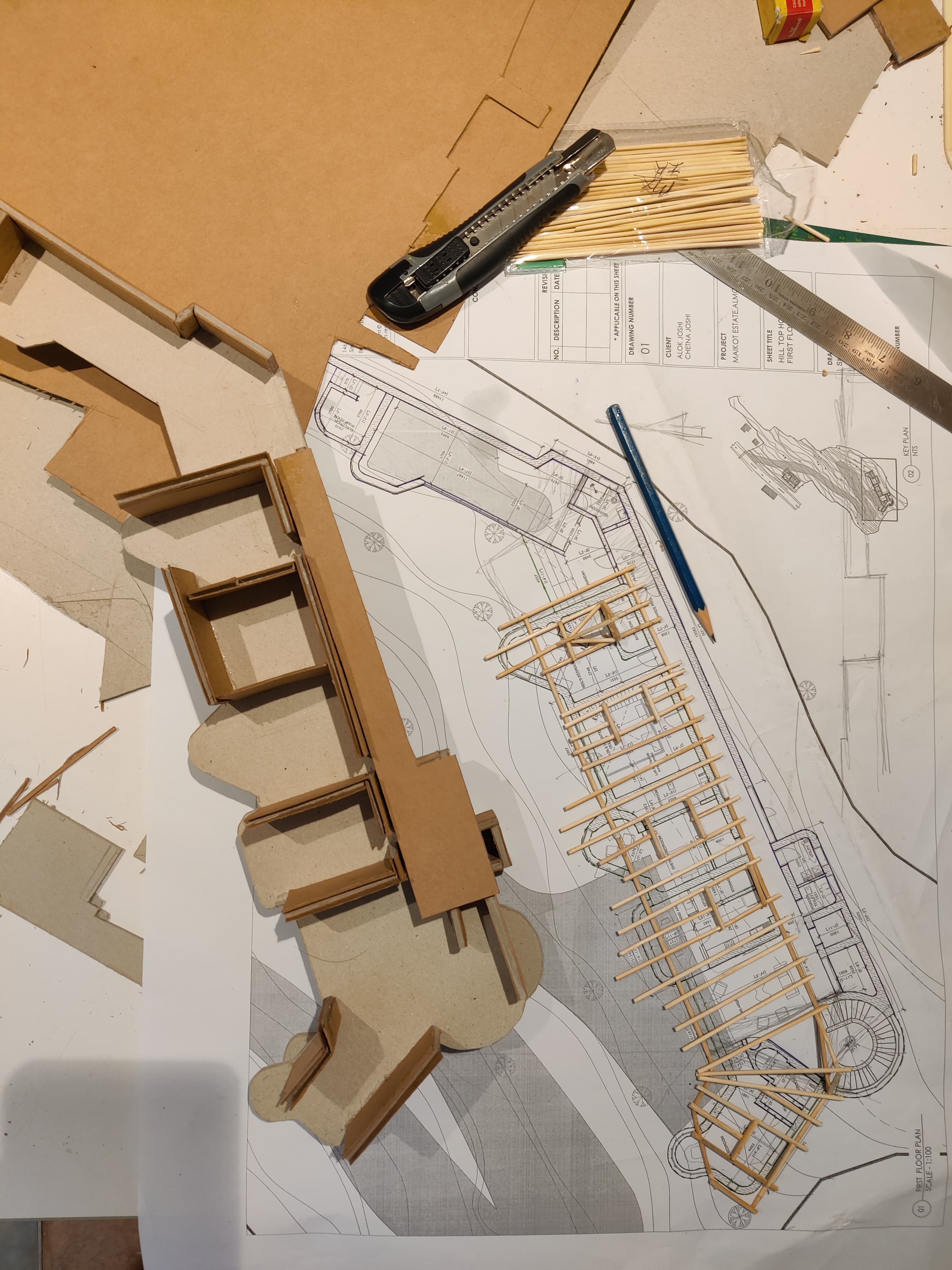
We work on different ideas across media – sketches on paper, sketches on the iPad, CAD drawings, physical models, then even digital models as well, which help a lot. It is a combination of all these things; engaging in multiple conversations with the client to reach this common ground where they are excited about what is happening. We do not present anything that we are not excited about. Sometimes we may not love it, but we do not present it if we are not excited. It has to hit our levels of excitement first, and then we present it. It goes back and forth, and reaches a point of final design, and then you have to plan on when to build it.
AA: I think that one of our biggest collaborators is Thumbimpressions Collaborative. Manu Narendran from Thumbimpressions and I have a great relationship. Sankalpa as well, of course. But I love picking Manu’s brains because he is the opposite of me in terms of a problem – he approaches it from a different angle, I approach it from a different angle, and eventually it reaches a ground where both parties are satisfied. Manu and me have been collaborating since a while. Thumbimpressions and PYHT are as good as sister organisations. We started almost at the same time, we had similar dynamics in terms of a bunch of people coming together and starting something, the realms of more authentic, more sensitive architecture, very different expressions of architecture – what Thumbimpressions are creating and the sort of language they are creating is very different from ours. Then we come together from project to project to do something that is a little more fun and contributing to society. For a while, we were meeting once a year (Thumbimpressions and PYHT) and we would meet at a place in nature and just brainstorm for two-three days on different ideas; we would share the challenges of practice and share things like structures of the systems that we have in place, or financial systems that we have in place, and trying to push each other to learn.
Other than that, we collaborate with Good Karma Farms in Mumbai and Alibaug. They do a lot of farming-related work, so they are really trying to push the boundaries in terms of organic food and also good design aesthetics through farming, and also regenerative land uses, and also fair trade. We also collaborated with Faizan Khatri for the Dog House. There are different people who we collaborate with, and different collaboration systems.
AA: Essentially when we started, we started the Creative Studio in Rizvi college – this was even before we had properly graduated. We started inviting (it was not a compulsory studio) students across the batches to come in and join, and what we would do is use some of these tools that we learnt about in Brazil. Three of us had got the opportunity to participate in this programme over there, and then we came back, we were implementing some of these tools with focuses on cooperation, and non-competitive aspects of life, that focus on beauty and abundance rather than critique.
These tools enable you to start looking at the positive things and start looking at what is good. When you start looking through a lens from there, your outlook on life changes.
So we would do certain tools and games in the Creative Studio. Then I got invited to teach in KRVIA, in Juhu, Mumbai as an elective and undertake Bamboo as an elective. That was my first time where I started teaching things that I had learnt, so it was very basic.
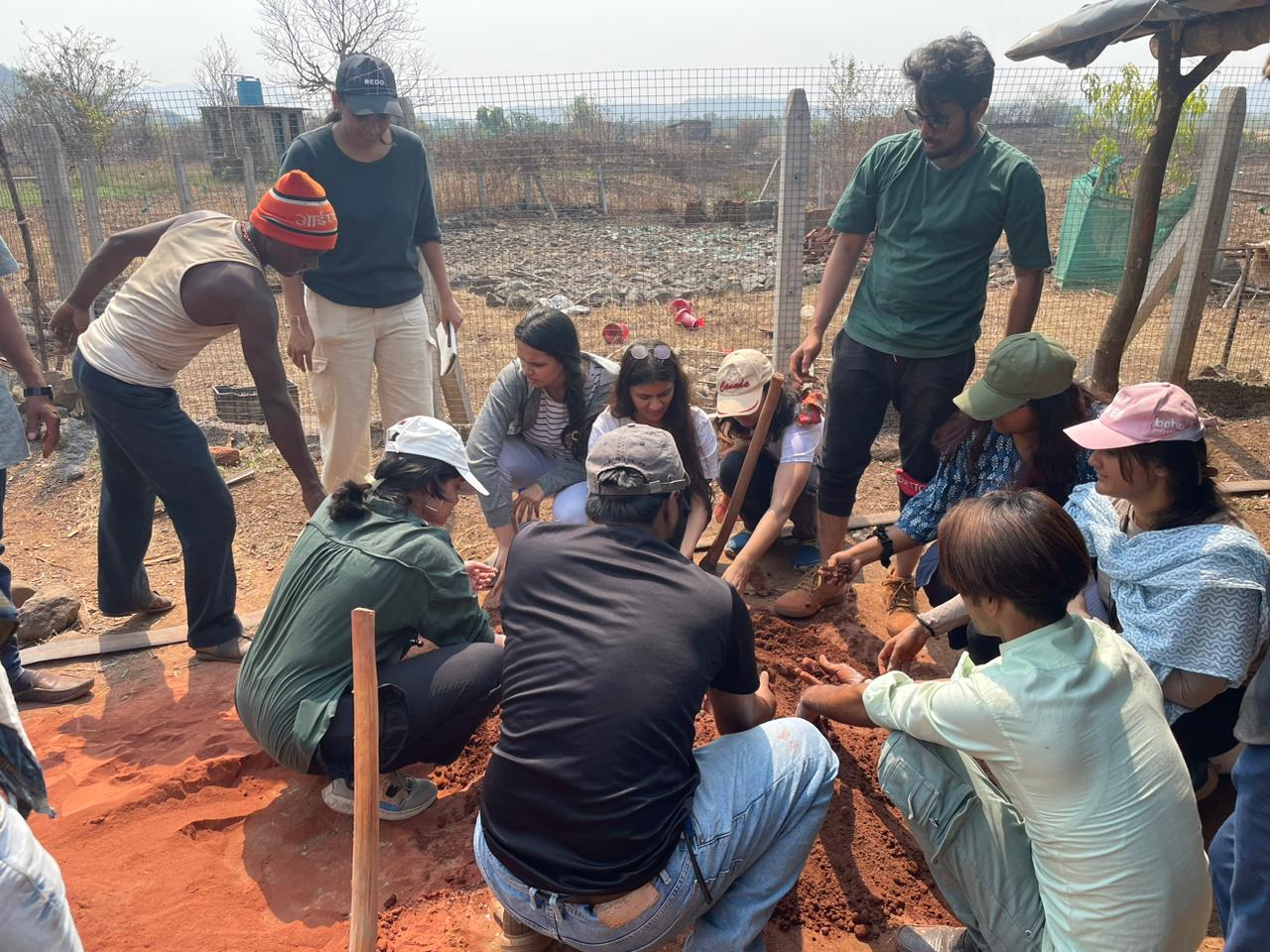
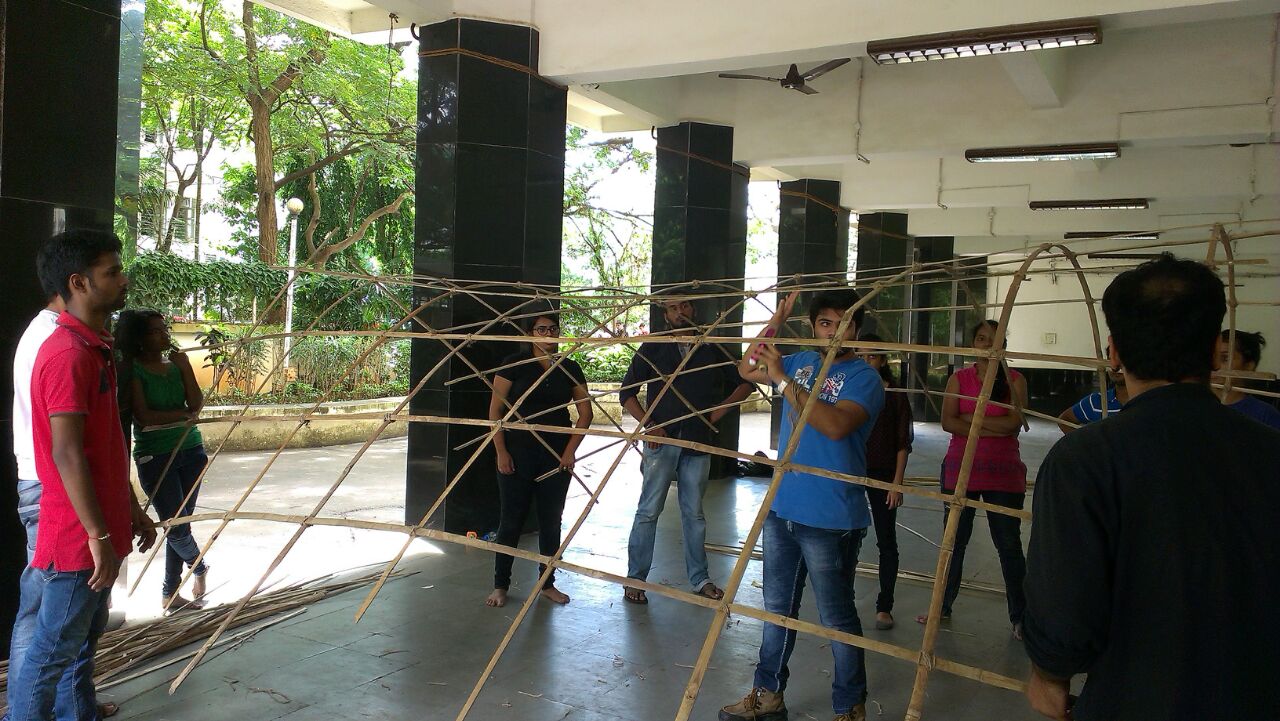
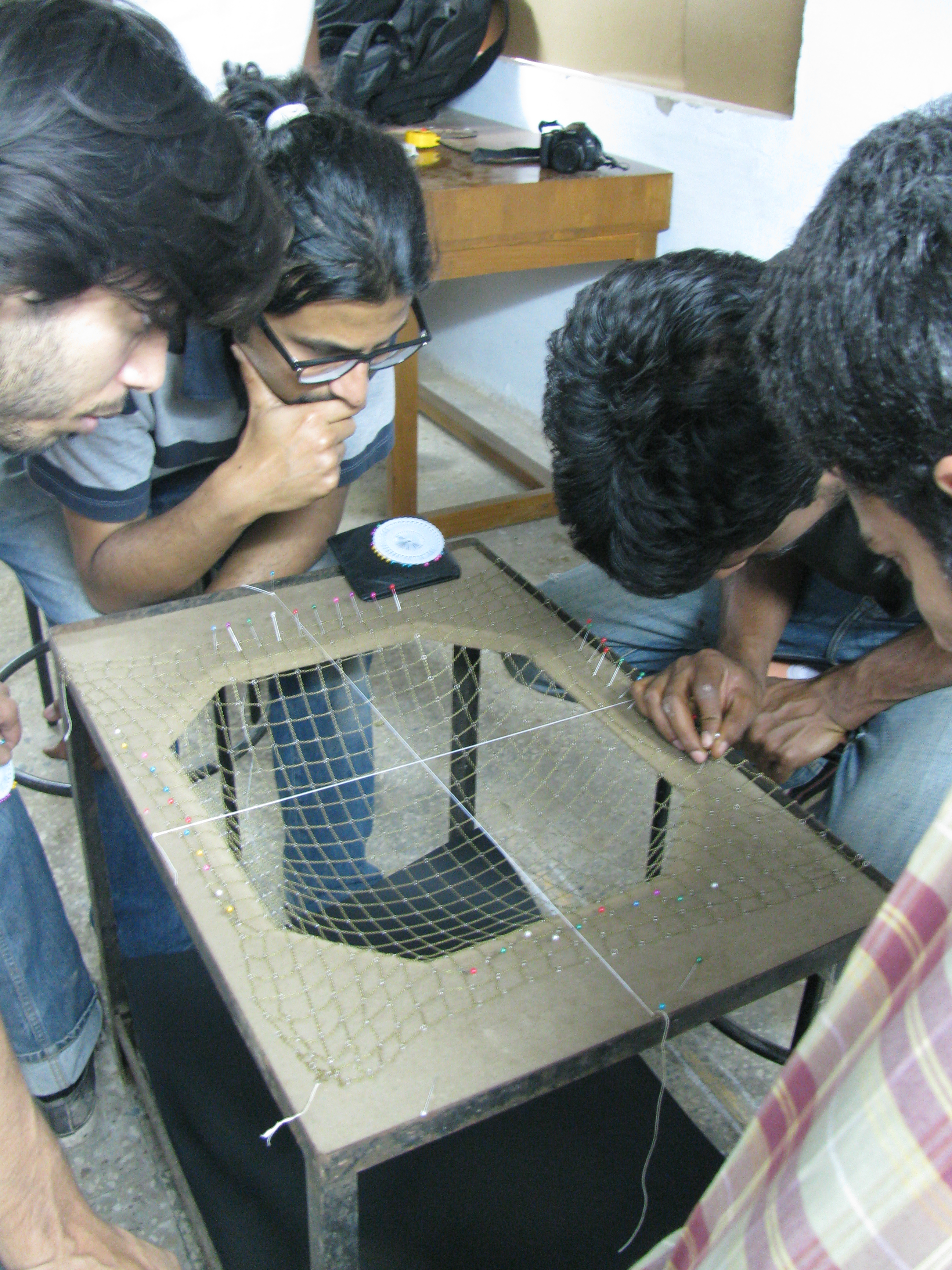
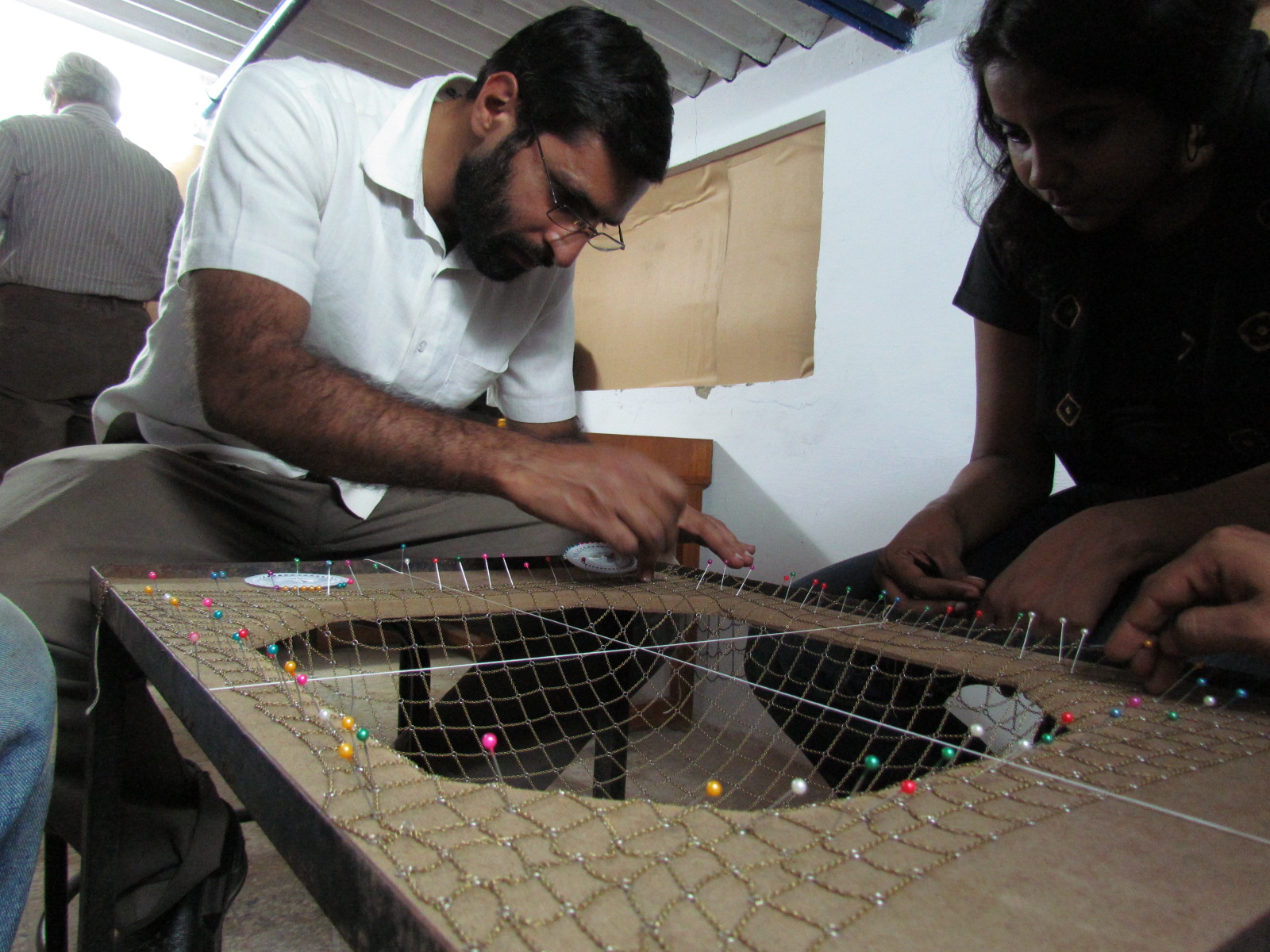
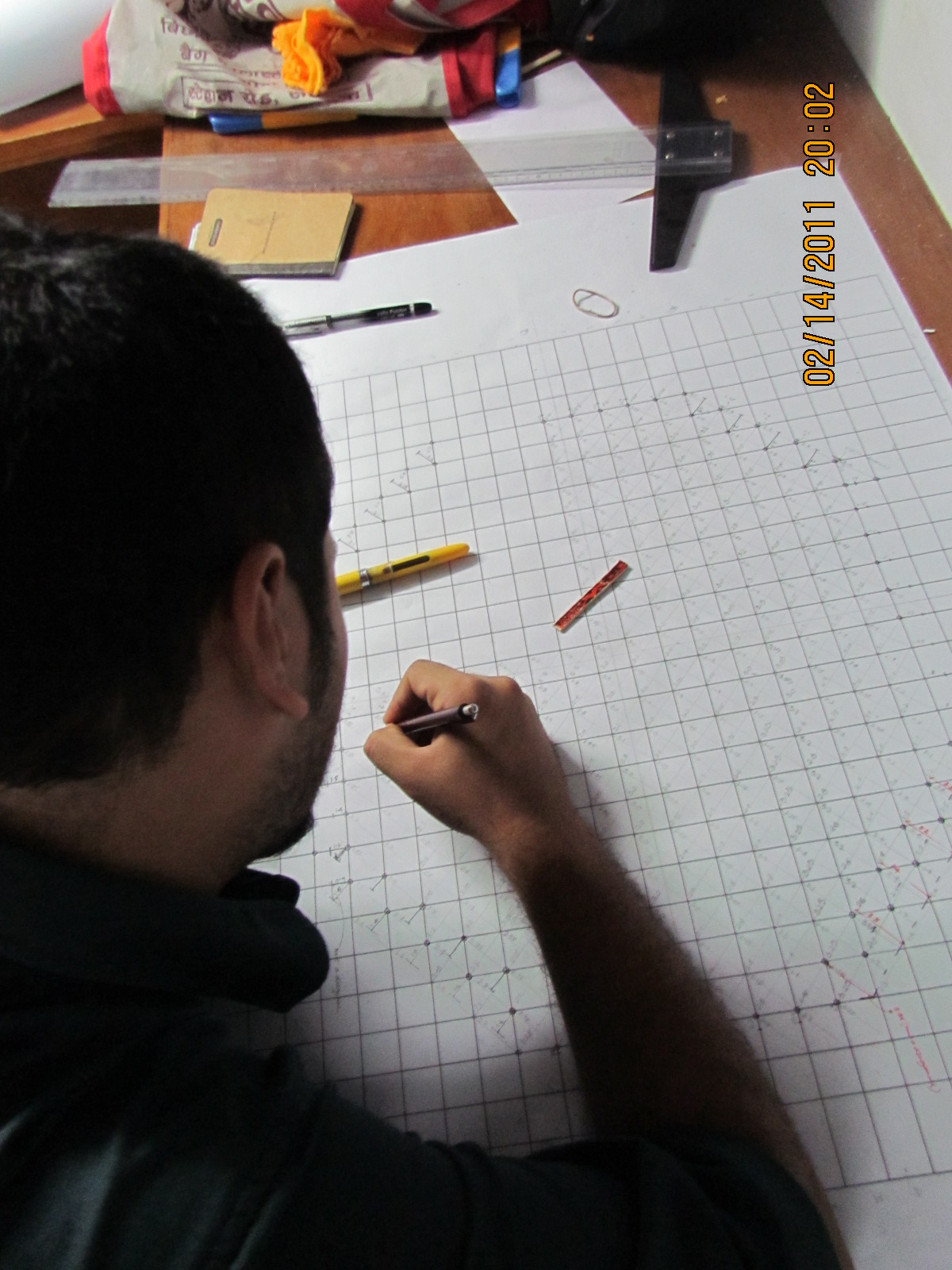
I had gone to this workshop in CEPT, where we met Sankalpa again, and Manu and some other people-Nripal Adhikary from Abari. Over there, we had taken this grid shell workshop with Professor Vasavada. We did the vault chain technique – we manually measured everything, plotted it onto a piece of paper and then did the prototype – a scaled model. Essentially, I really loved that idea, that you could take a strip of Bamboo, tie it in two directions in different axes and just play with it such that it becomes this very flexible material. We started to bring these materials to people in the city and start encouraging them to at least learn about these materials and learn by doing – that was our philosophy. We started doing a lot of workshops with students, to expose them to this idea of architecture done in an alternate manner and learning by, say, tactile experiences.
Now I have taken a break from architectural education – I am teaching in a graphic design institute called Ecole Intuit Lab, which is a lot of fun, because you are dealing with really young students – a lot of them are going to become gamers, and they are learning game design. So you are engaging with a different crowd, and they are younger than the architecture students I was engaging with. It is an interesting dynamic – I am teaching them perspective, Volume and Environmental design. I like to make them make things in one is to one, with things they find available. These are people who have to be in front of a computer for a long time. So I engage them in something physical in terms of activities, which is really, really nice.
There is one question I realised I did not answer for you, which was process – I said typical and ideal, and explained typical but not ideal. Ideal for me is to actually do two projects at a time – one in the mountains, one by the coast, and fifteen days at a stretch on each of these projects. And working on site with the people creating this. And work by creating a lot of physical models. I realised my best form of design expression comes when I have time to sit and make a physical model myself. For me, the most pleasurable aspect is physical model making. When I have the time to make a physical model, it really gives me immense satisfaction, my body and mind just feel more free – that is one, and when I was younger especially, spending as much time as I could on site. Now I still try and do that.
When I sit on a site, because I feel that a site, especially when it is a little bit unique, it talks to you in ways that you cannot even understand, and then you sort of work with the site surrounding. Which is why I say live on site, have a studio or a table set up at each site.
AA: Sometimes I feel like especially in the last five or six years, that you want to do something, that the process demands that you do something else. I feel like as we grow, a lot of my role is management. I do not want to do management, I want to do design, and I want to get immersed in projects.
Ideally, I would like to travel the country and the world eventually, documenting examples of vernacular architecture, because I find insane beauty in that – innovative, very proportional, soothing. That is something that really excites me.
I think when something is physically built on site, my excitement level shoots up – I am itching for the project to get realised. There is some other level of feeling, a different kind of satisfaction that you get. I am quite involved in the process, but now I am working on different models of engagement with the clients and with projects. Sometimes I am not fully involved, just partially involved. Sometimes I hand it over to site and then I am not involved at all, just once a while. There are projects where I have been heavily involved, and to see it come to fruition in the manner which you envisage – even if you do not envisage – is a different kind of pleasure.
It is so difficult to take satisfaction in that because if you visit the next time, you have already grown as an architect, you have grown as a designer and you have already started looking at all the mistakes you made in the previous projects. So it is difficult to enjoy your own hard work sometimes.
CONTEXT
<27:00>
AA: About the current state of architecture, or work – It is difficult to generalise. There is an aspect of work where I do not relate to at all. The typical work that happens – I do not relate to it at all. It saddens me sometimes to see how disastrous we have been as a unit in terms of what our indigenous architecture – where it started and the way it evolved, to where it is at this point of time.
However, also feel that there are so many new practices that are coming up, and so many people are doing such good work. For example, whenever I look at the shortlist of The Merit List and the longlist, and read their names, it makes me wonder, that I have to up my game now. So I think there’s a lot, and these are people who are trying to – I think the focus is to try and do good work. To leave their egos- yes, sometimes there is ego associated with architecture, It is sort of hand in hand, but I think the focus is to try and do good work. I think a lot of young studios are doing phenomenal work.
There is a series of experiences that I have gone through personally, that make me believe that use of material in a certain manner stimulates some sensations and one experiences it in a different manner to what other materials do. I believe that the intimacy that is created with some of these materials that I use, such as Earth as a construction material, Lime, Stone and Timber, even Bamboo.
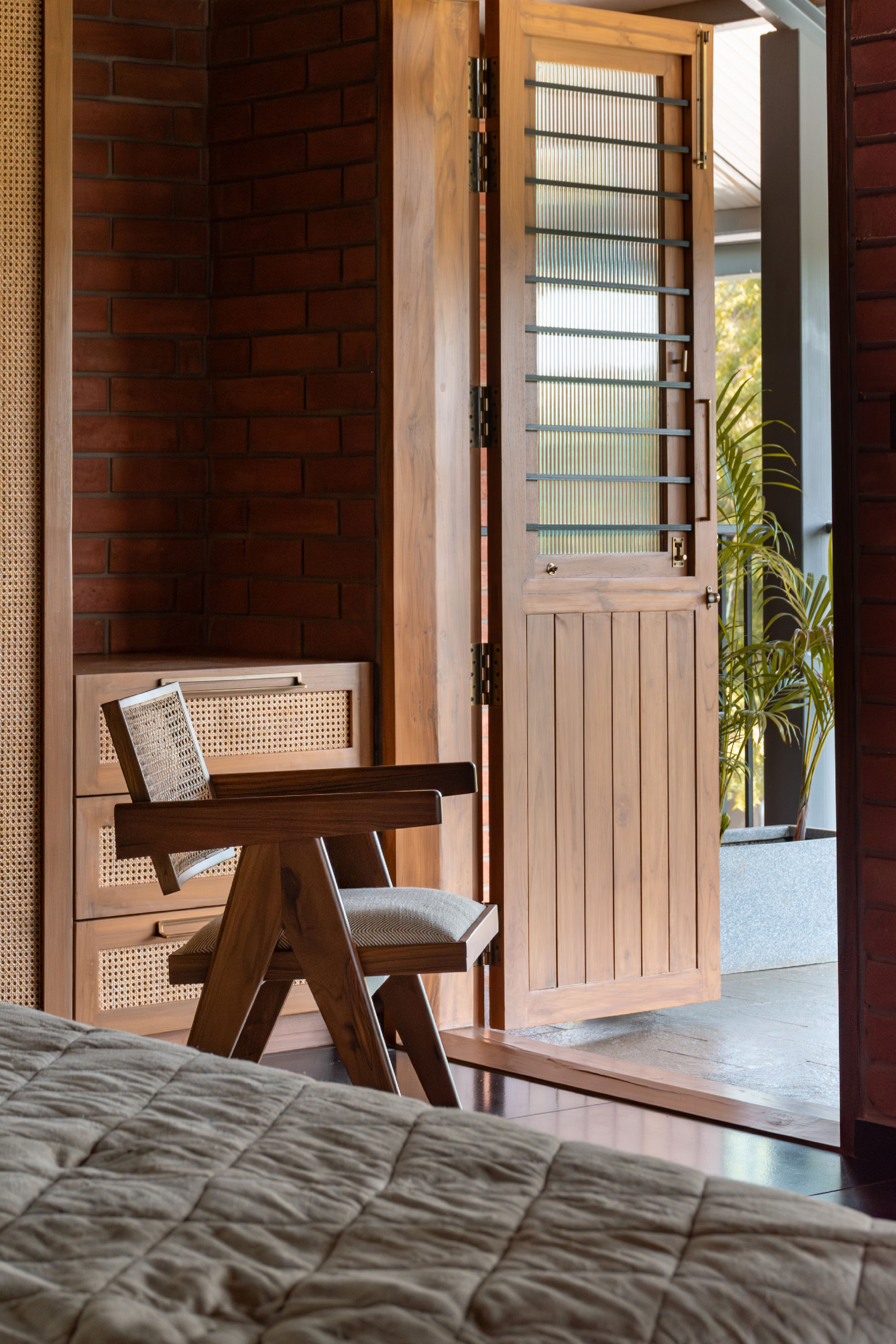
I believe there is an elegance that can be achieved with it, and a sort of finesse that can be put to it with the right proportions, details, construction systems, context. Of course, when it all comes together there is an experience that for me personally gives a feeling of sukoon (peace).
These are the spaces that I want to create. I want to create spaces that heal, spaces that make one slow down, and feel at peace with themselves. Make one reconnect more with nature. So my goal, and what I strive to do is create these spaces that are sensitive and peaceful.
Praxis is editorially positioned as a survey of contemporary practices in India, with a particular emphasis on the principles of practice, the structure of its processes, and the challenges it is rooted in. The focus is on firms whose span of work has committed to advancing specific alignments and has matured, over the course of the last decade. Through discussions on the different trajectories that the featured practices have adopted, the intent is to foreground a larger conversation on how the model of a studio is evolving in the context of India. It aims to unpack the contents, systems that organise the thinking in a practice.
The second phase of the PRAXIS initiative features established practices in the domain of contemporary architecture in India.
With a corporate history spanning more than 85 years, Şişecam is currently one of the world’s leading glass producers with production operations located in 14 countries on four continents. Şişecam has introduced numerous innovations and driven development of the flat glass industry both in Turkey and the larger region, and is a leader in Europe and the world’s fifth largest flat glass producer in terms of production capacity. Şişecam conducts flat glass operations in three core business lines: architectural glass (e.g. flat glass, patterned glass, laminated glass and coated glass), energy glass and home appliance glass. Currently, Şişecam operates in flat glass with ten production facilities located in six countries, providing input to the construction, furniture, energy and home appliances industries with an ever-expanding range of products.
































 thinkMATTER